On historical traces through the Münsterland: cycle tours for the Open Monument Day
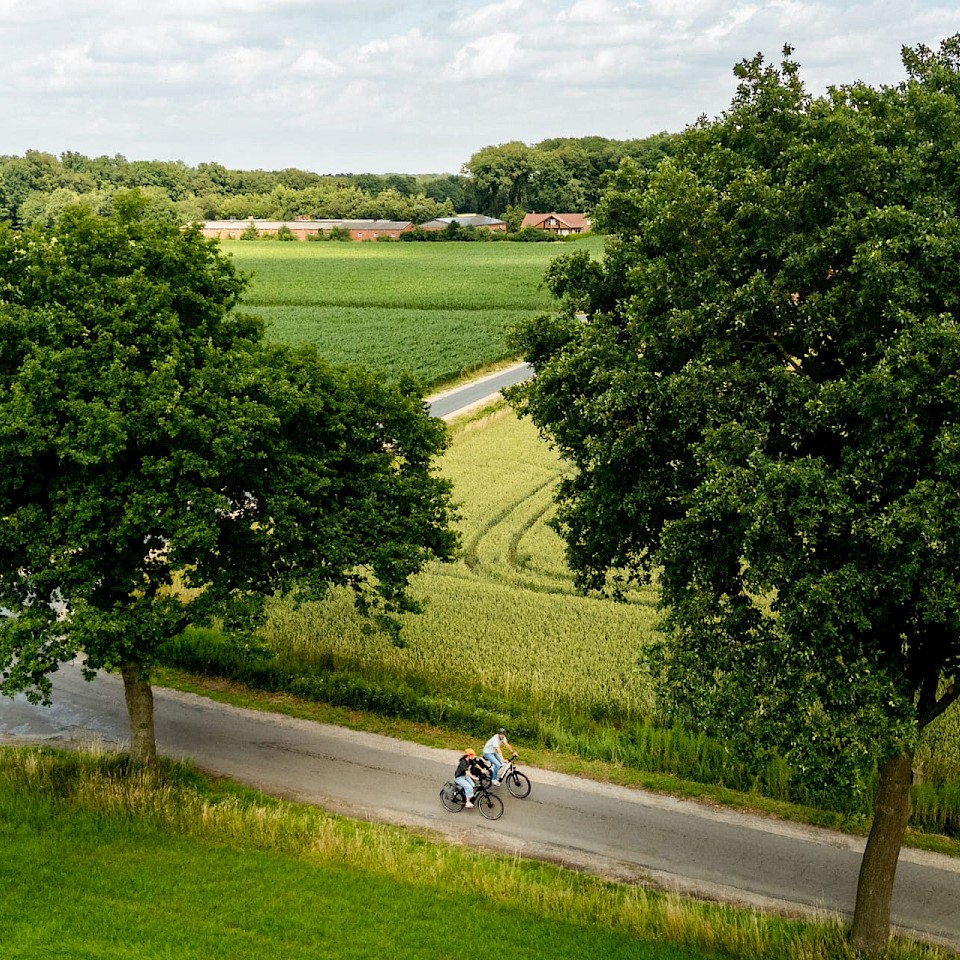
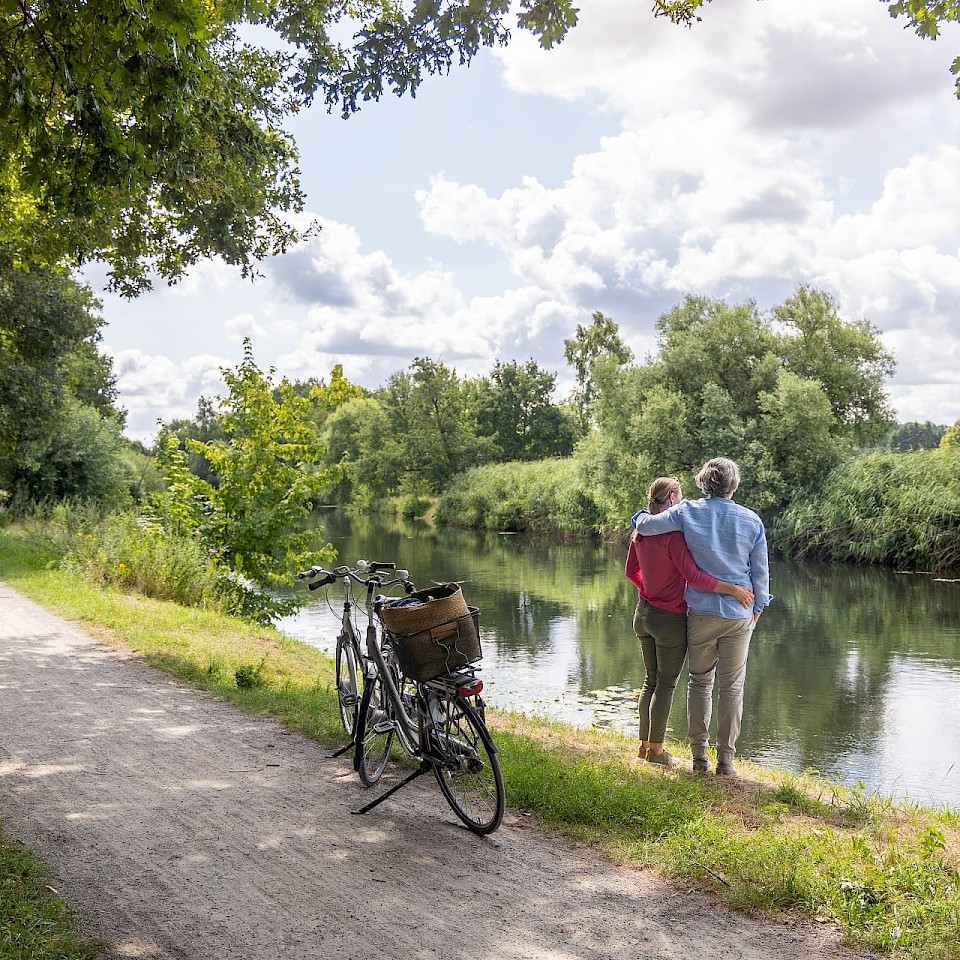
MÜNSTERLAND. It is Germany's biggest cultural event every year: the Open Monument Day. On Sunday, 14 September, numerous historical buildings in Germany open their otherwise often closed doors to visitors. Münsterland e.V. has developed five exciting cycle tours for those who want to explore the monuments in Münsterland.
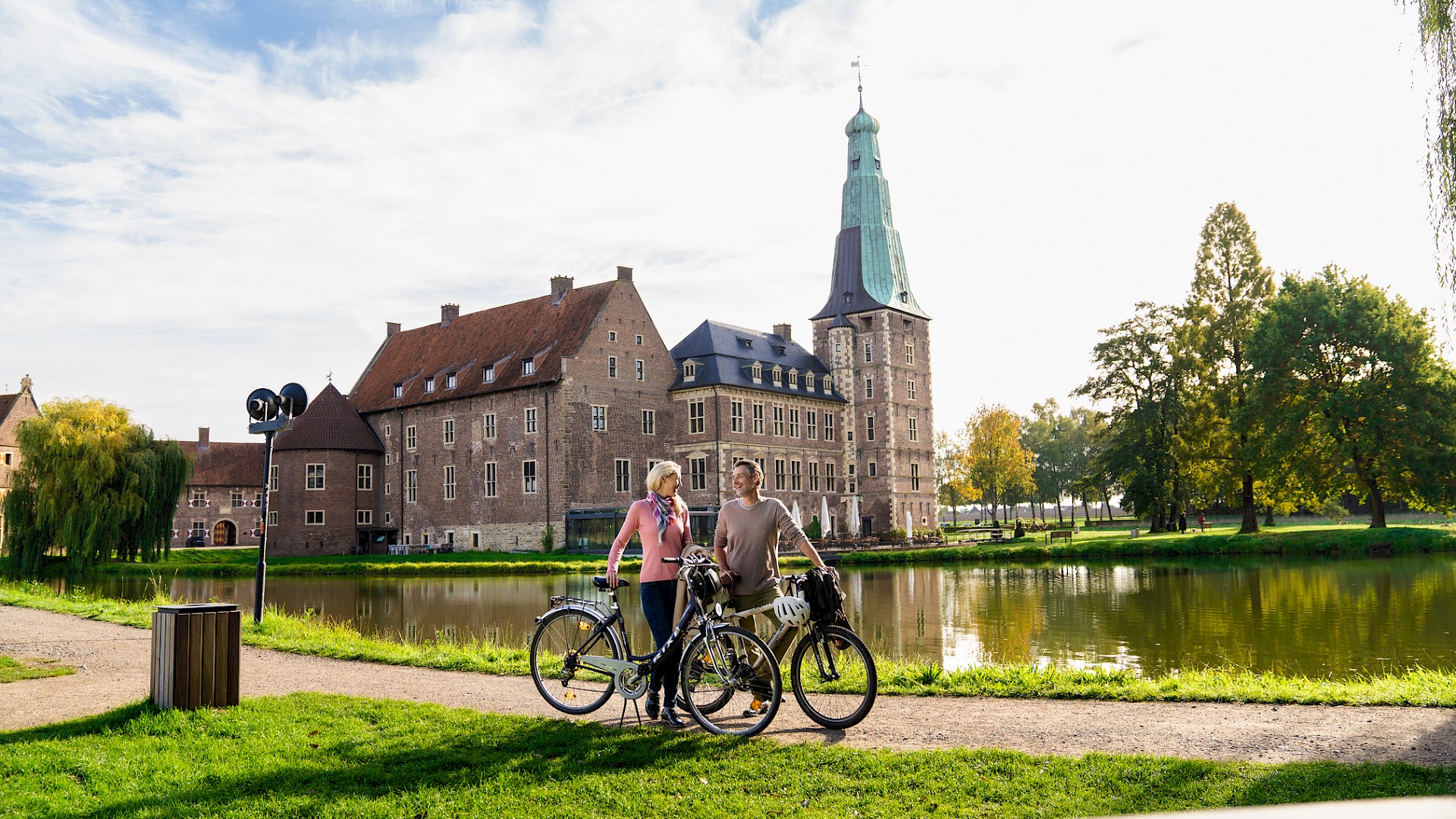
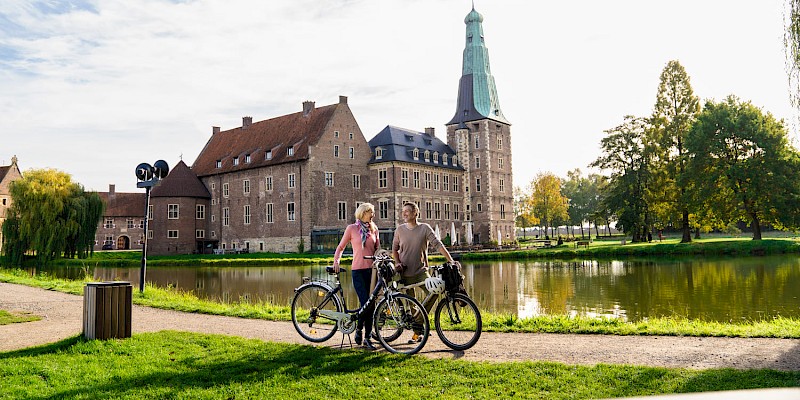
The 67-kilometre circular tour through the Borken district leads to the imposing Raesfeld Castle, which impresses with its eventful history. Reken is also on the route, where there are two special architectural monuments to discover: the tower windmill, one of the oldest and most beautiful of its kind in Westphalia, and the Old Church of St Simon and Judas, a sacred building from the 12th century.
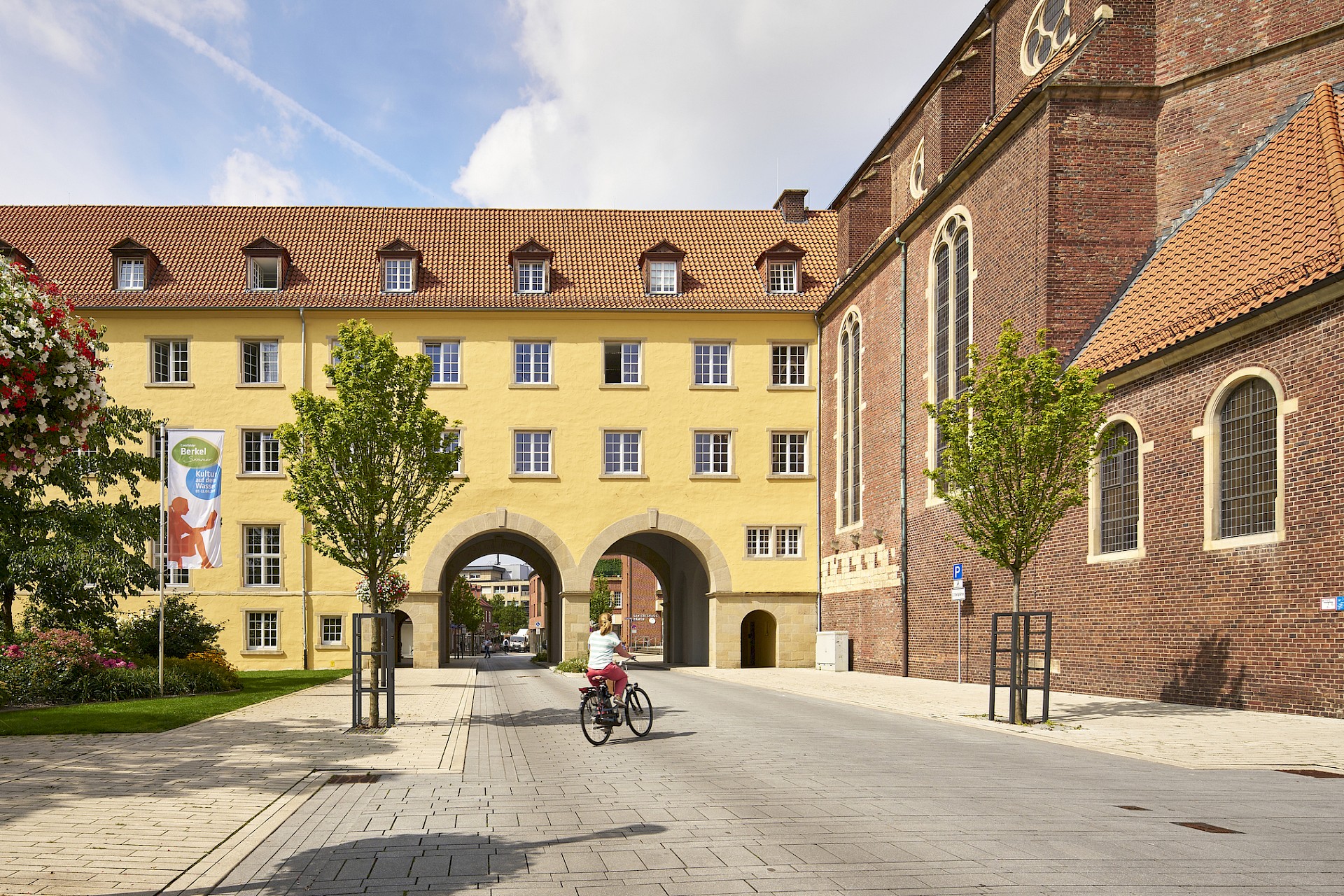
The approximately 44-kilometre cycle tour through the district of Coesfeld leads mainly through the green parkland of the Münsterland, including to Lette, where a highlight is located directly on the cycle path: the Letteran windmill. The imposing Gerleve Monastery is also on the route and offers a place of peace and contemplation. From there, the route continues to Coesfeld, where you can admire the famous Coesfeld City Palace as well as the Walkenbrückentor, the last remaining city gate of the former medieval city fortifications.
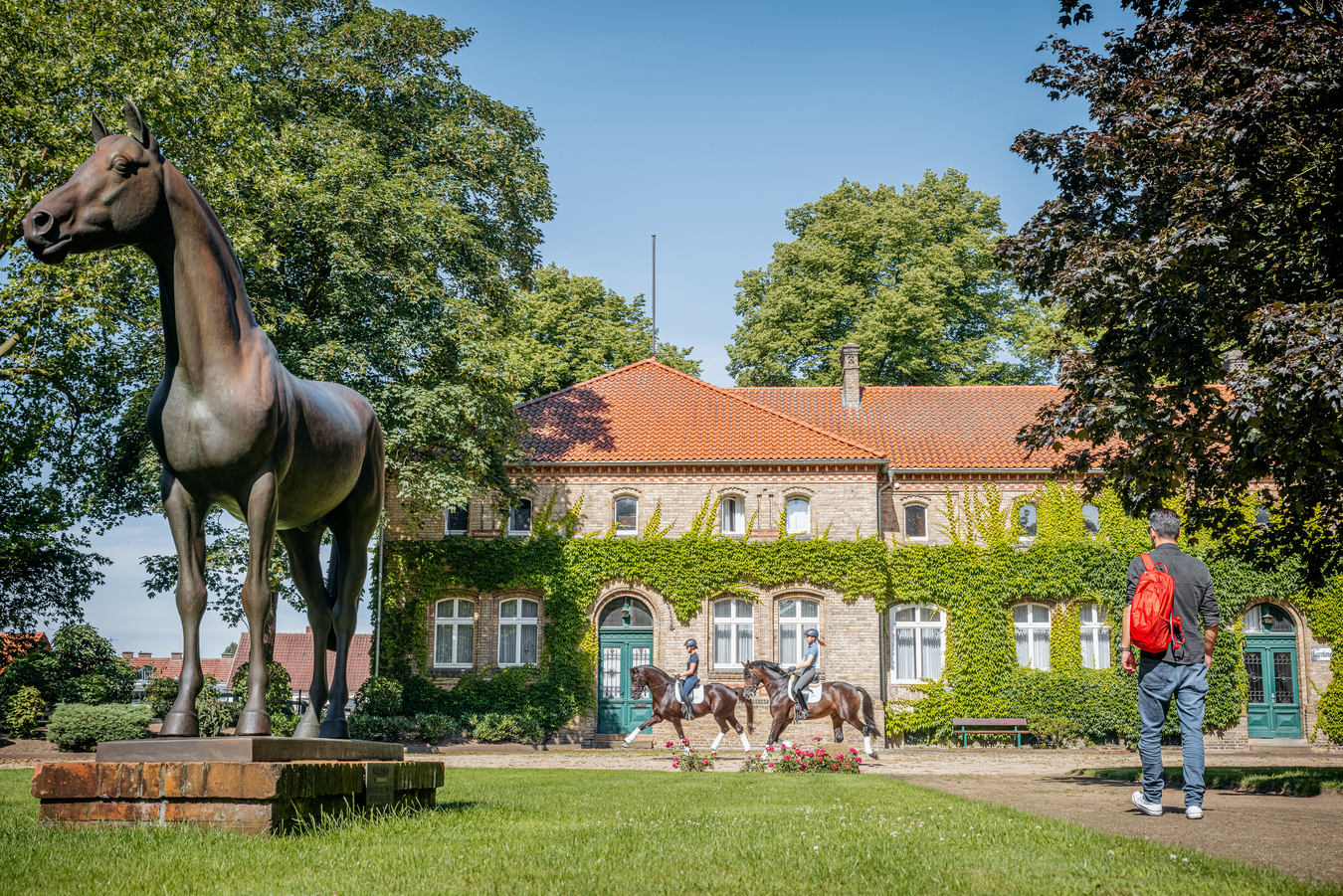
The 64-kilometre cycle tour through the district of Warendorf starts and finishes at Warendorf railway station. From there, the route leads directly into the historic town centre, where nine buildings open their doors on Open Monument Day, including the famous NRW State Stud. In Everswinkel and Telgte, which are also travelled through on this tour, three old half-timbered houses worth seeing await visitors.
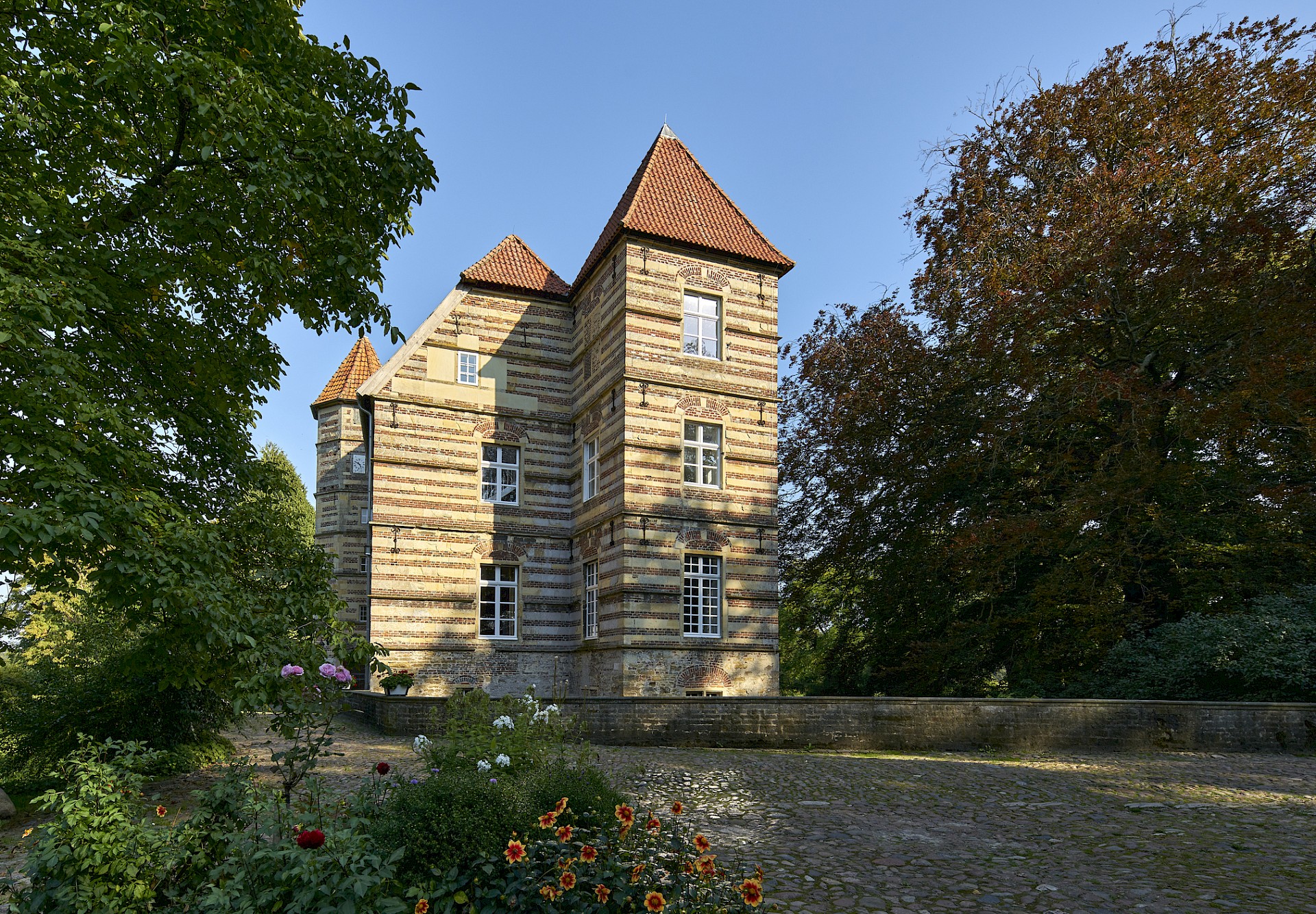
In the district of Steinfurt, a 62-kilometre tour leads past numerous exciting sights, including the St. Dionysius Church in Nordwalde, where an organ concert will take place on the day of the event. The route continues through typical Münsterland parkland towards Leer, where you can marvel at Wenning's watermill and miller's cottage as well as Schmedding's double mill.
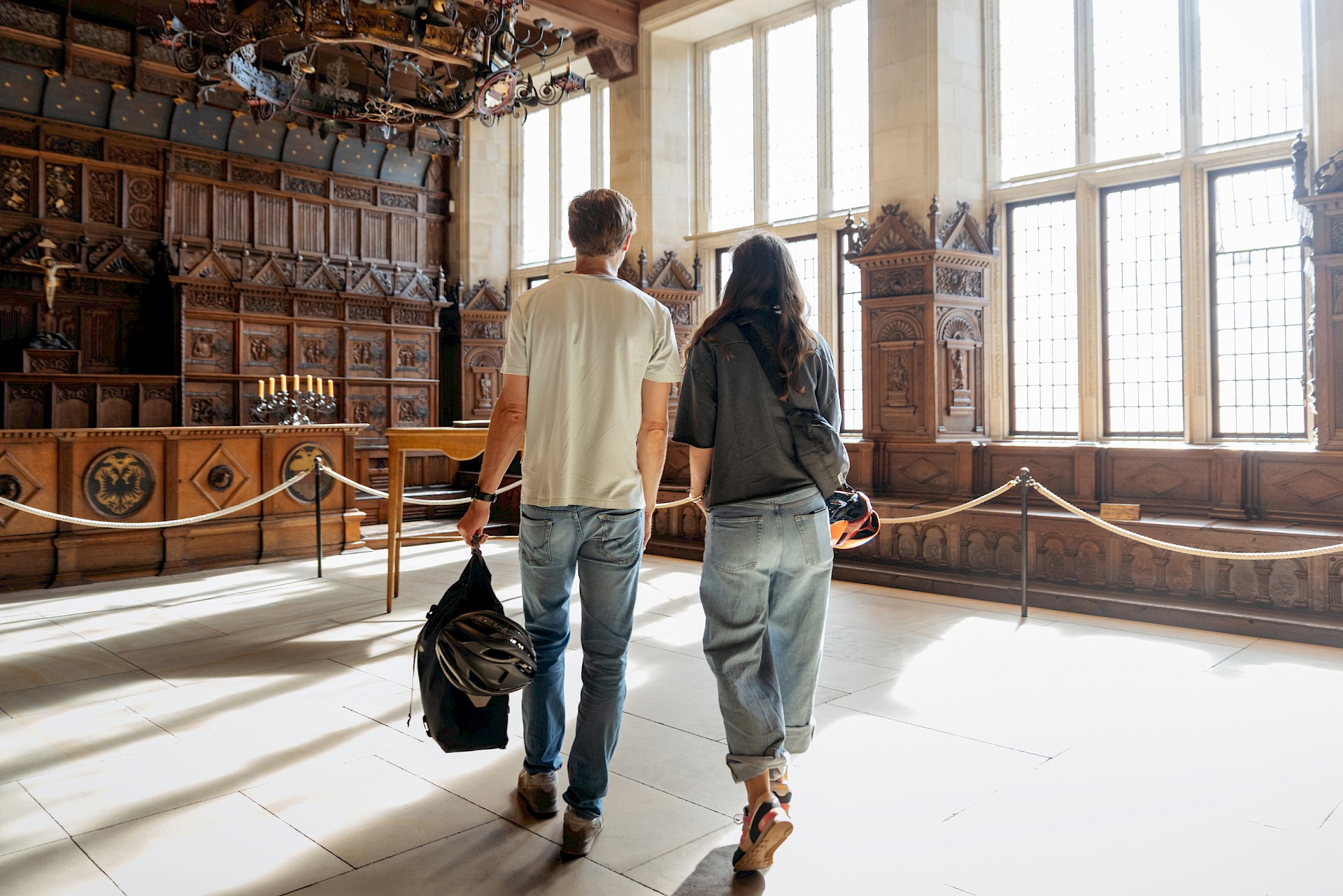
Various monuments in Münster also open their doors for the day of action. A few of them can be discovered on a 33-kilometre tour around the city. In addition to the famous Erbdrostenhof, a baroque masterpiece by Johann Conrad Schlaun, the route also includes Prinzipalmarkt, Münster's "parlour", and the Town Hall of the Peace of Westphalia, where the Thirty Years' War ended in 1648. A little further from the city centre, you can also explore Haus Rüschhaus, once the picturesque residence of Annette von Droste-Hülshoff, and the Oxford barracks from the 1930s.
An overview and further information on the individual cycle tours around the Open Monument Day can be found at go.muensterland.com/radtourdenkmal.
All opening times of the monuments and further information can be found on the official website of the Open Monument Day: www.tag-des-offenen-denkmals.de.