Cycling tours on the Open Monument Day

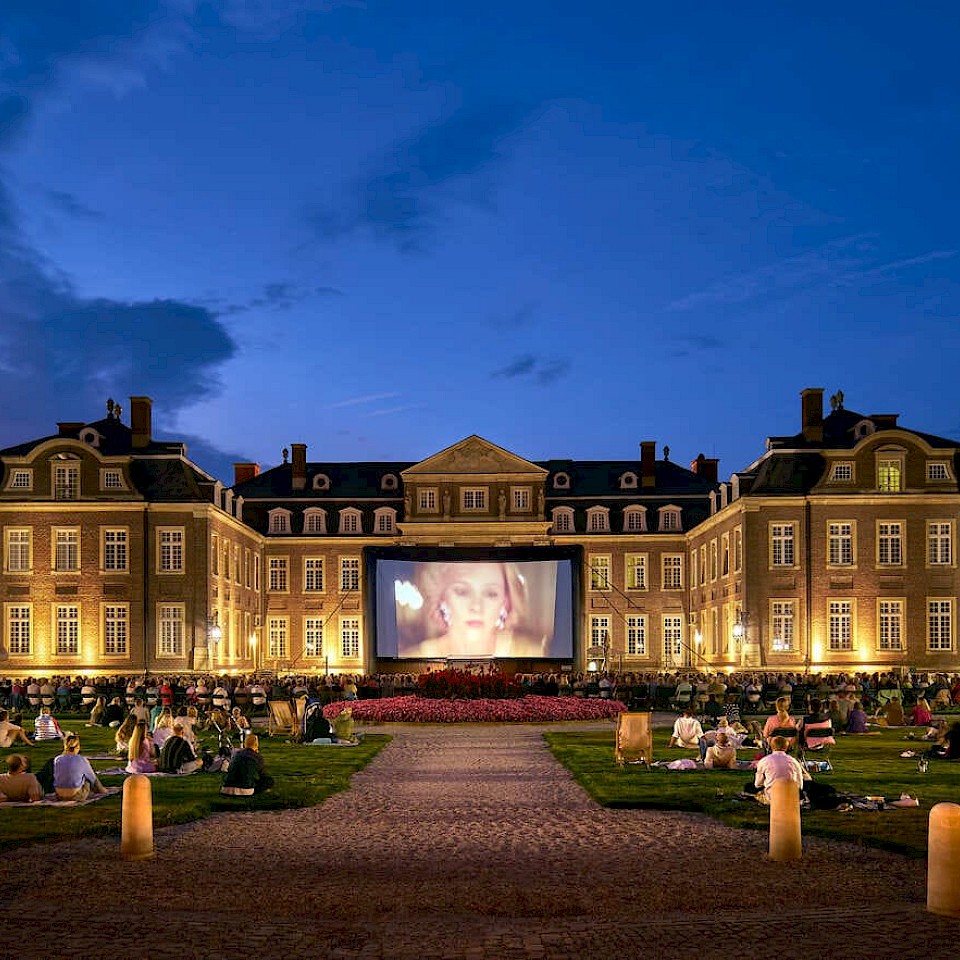
Germany's biggest cultural event is in the starting blocks: The Open Monument Day will take place again on 14 September. Numerous monuments in Germany will open their otherwise often closed doors to visitors. This year's motto is: "Valuable: priceless or irreplaceable?". Discover all participating monuments and further information on the official website of the day of action.

A cycling region

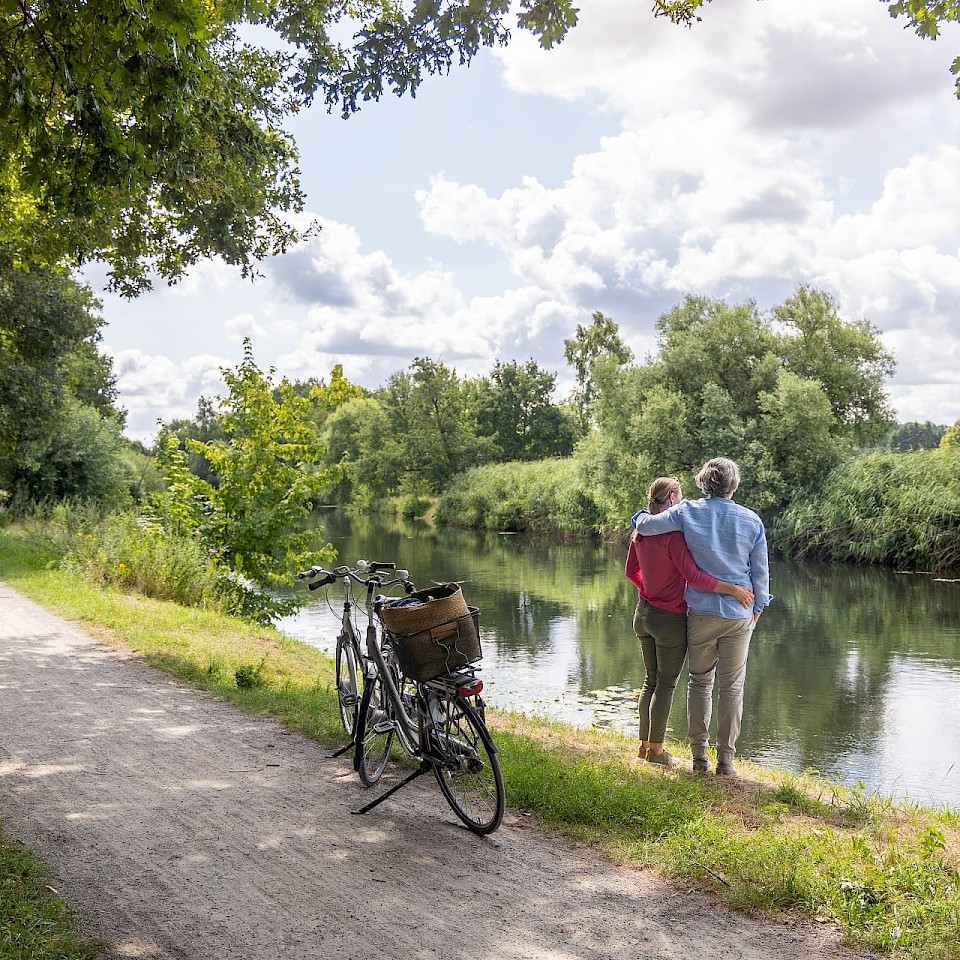
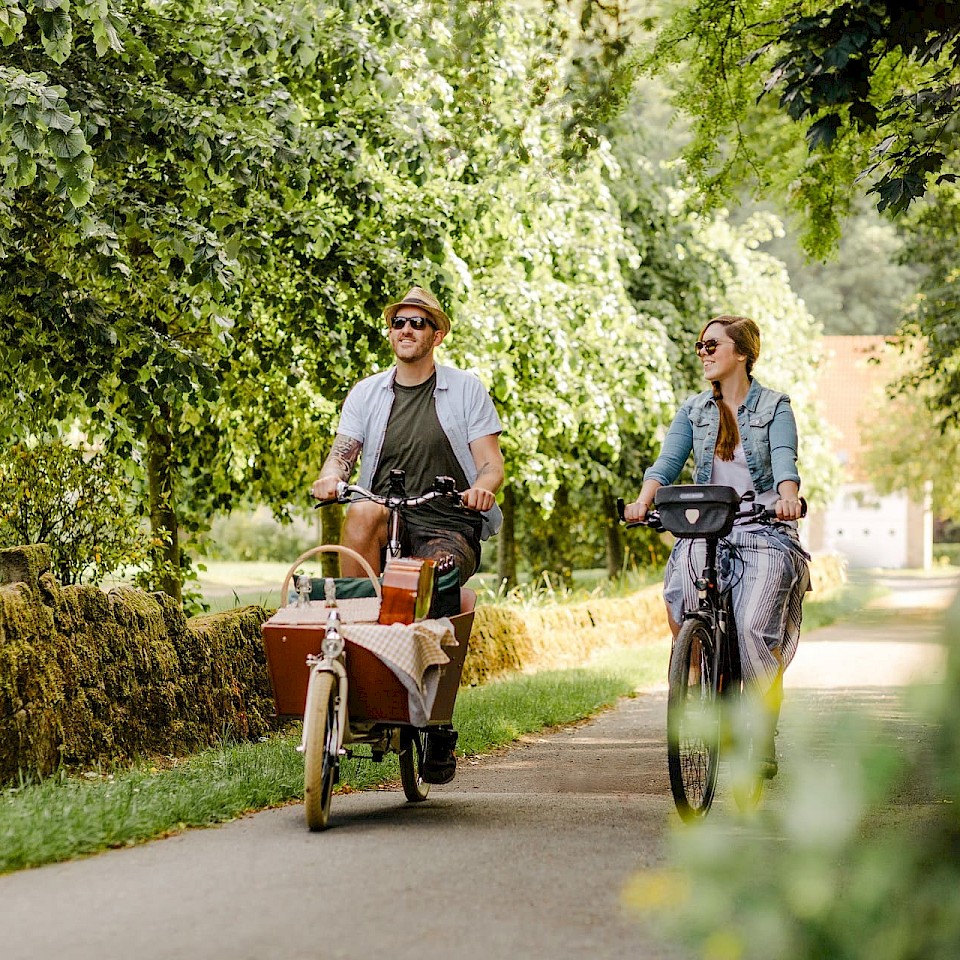
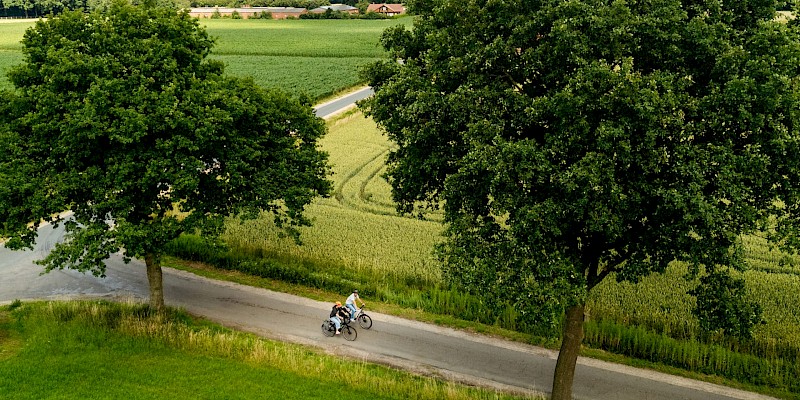
Take advantage of this special opportunity and pay a visit to the region's interesting monuments. In typical Münsterland style, on a bike of course. So get on the Leeze! Here you will find cycle tours on the trail of the monuments. You can find the GPS data for all tours at the bottom of this page.

Note:
The cycle tour tips presented here for the Open Monument Day may deviate from the designated cycle path network in some places in order to reach the monuments directly. Please always observe the current traffic conditions and the applicable road traffic regulations. Münsterland e.V. accepts no responsibility for any errors in the tour descriptions and tracks.
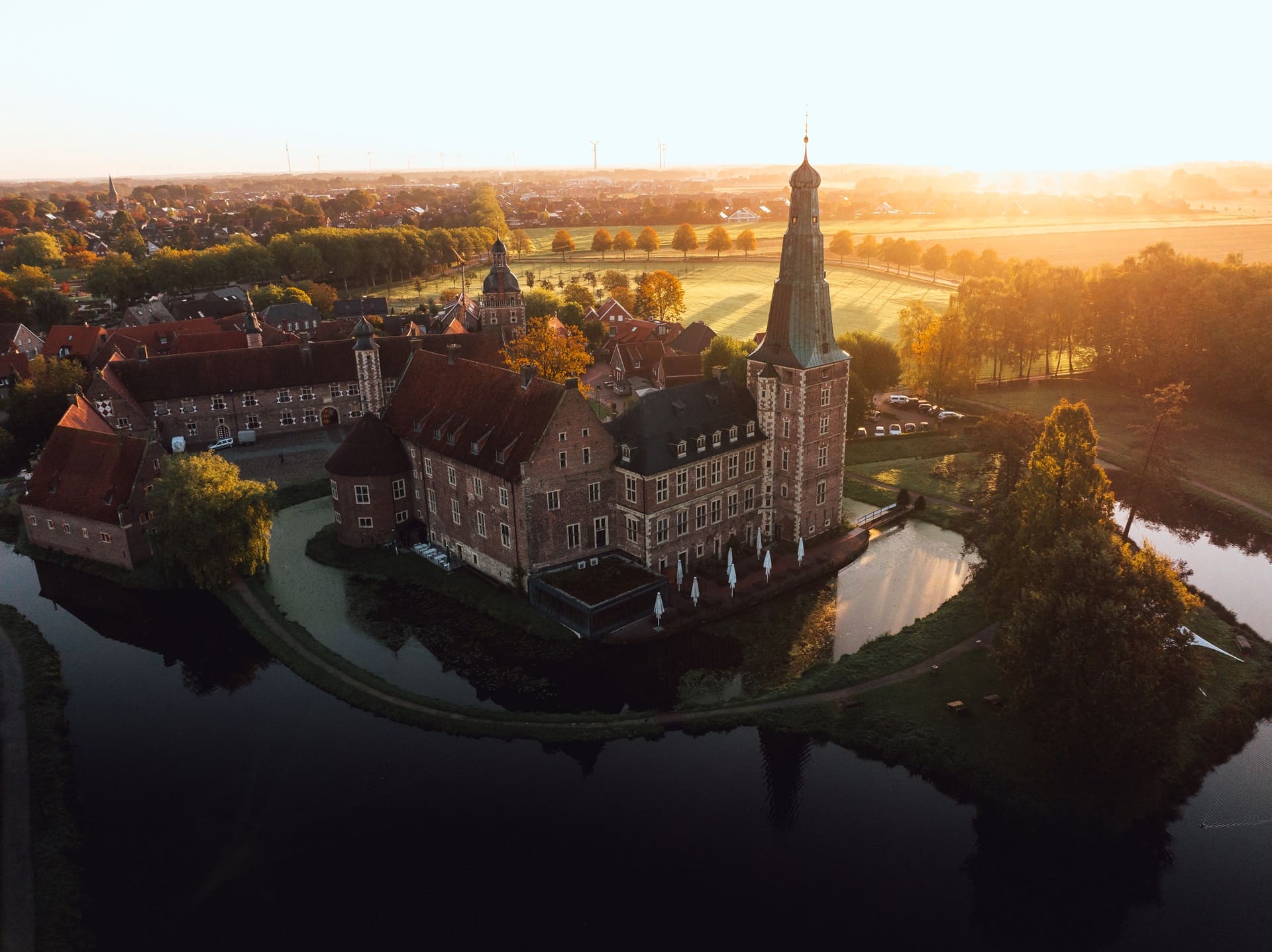
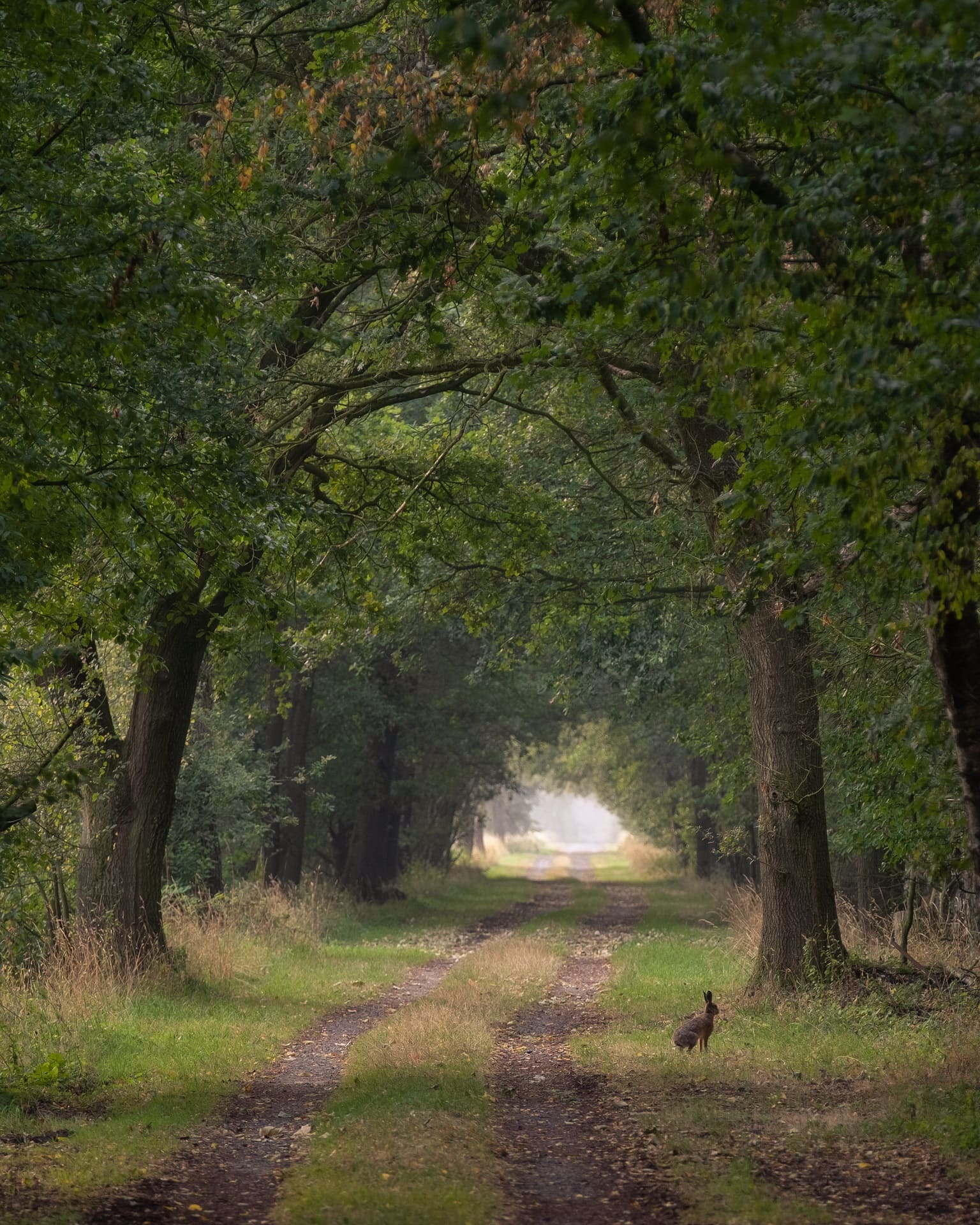
The approximately 67 km long circular tour starts at Marbeck-Heiden railway station and takes you through the idyllic parkland of the Münsterland region. The flat route takes you past Borken in the direction of Raesfeld.

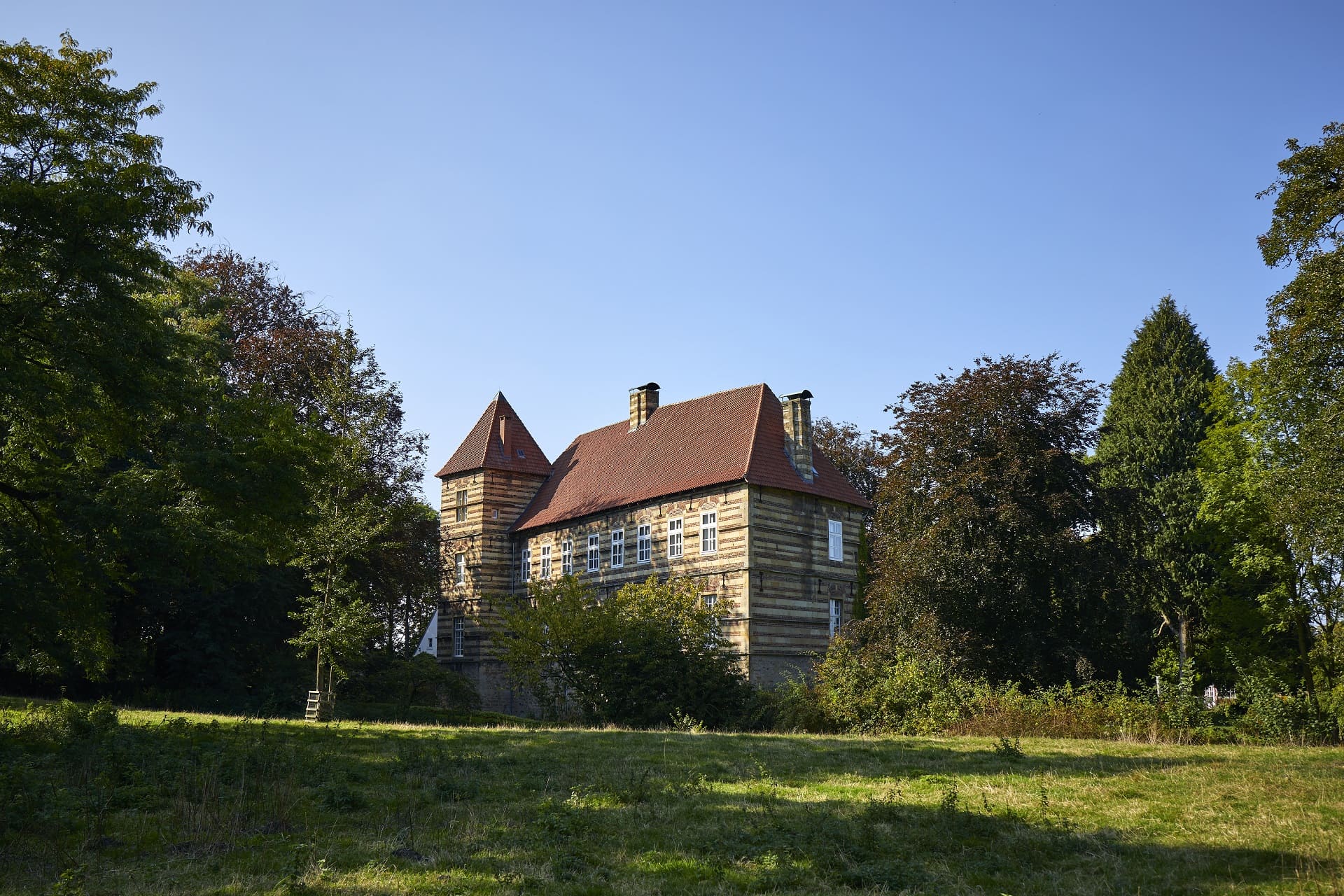
A real highlight awaits you in Raesfeld: the imposing Raesfeld Castle, which impresses with its eventful history. Originally built in the 12th century, it was remodelled in the 17th century under Count Alexander II von Velen into a magnificent Renaissance-style residential palace. Incidentally, the striking 52.5 metre tower is considered the highest castle tower in Westphalia! The castle complex includes the upper castle, outer castle, the so-called Schlossfreiheit with chapel and the neighbouring zoo, which is perfect for a stroll.

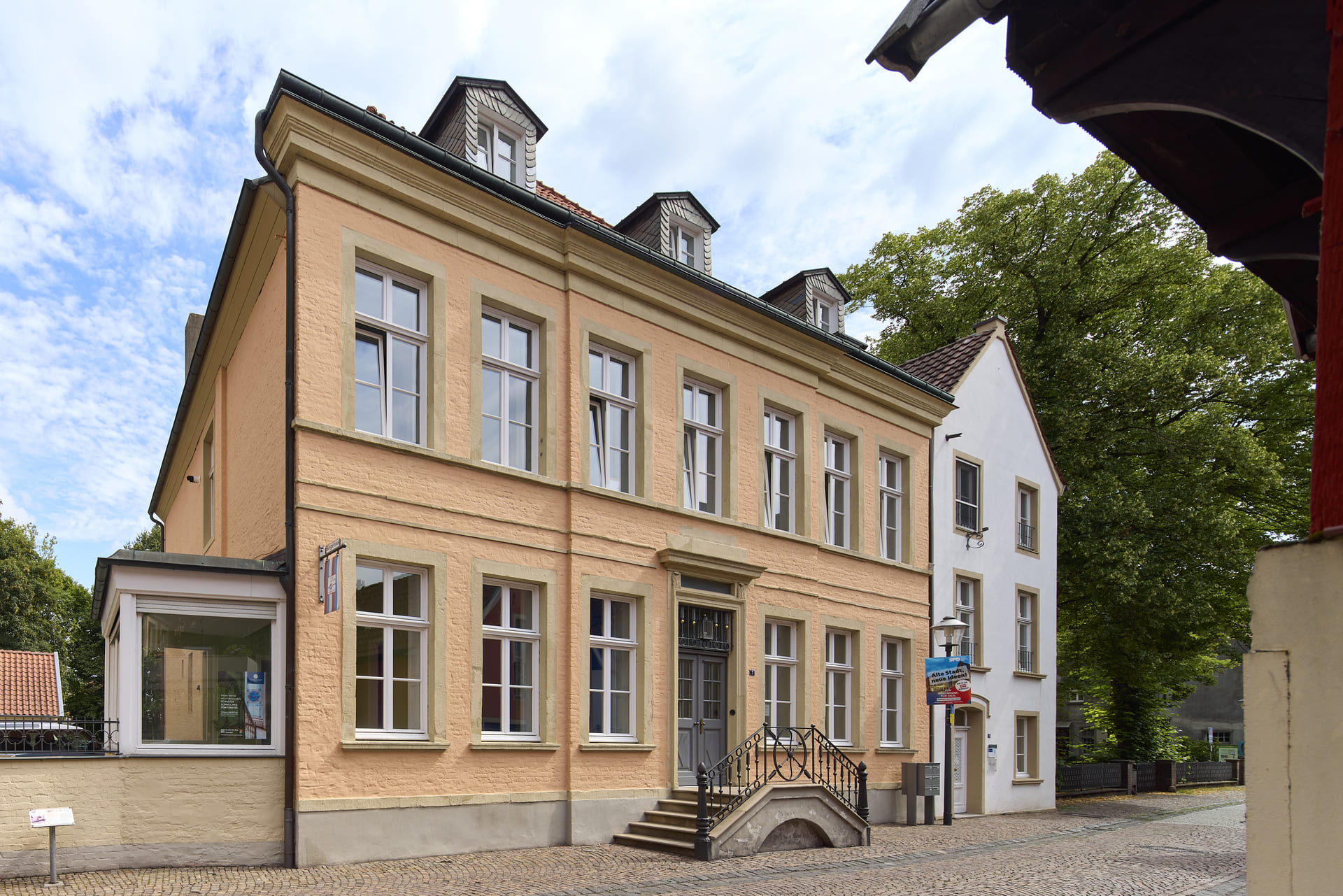
Not far from the castle is the historic Ackerbürgerhaus. Built around 1800, the three-storey house with brick facades and a pantiled saddle roof has been extensively restored and today impressively demonstrates rural building culture and village history.

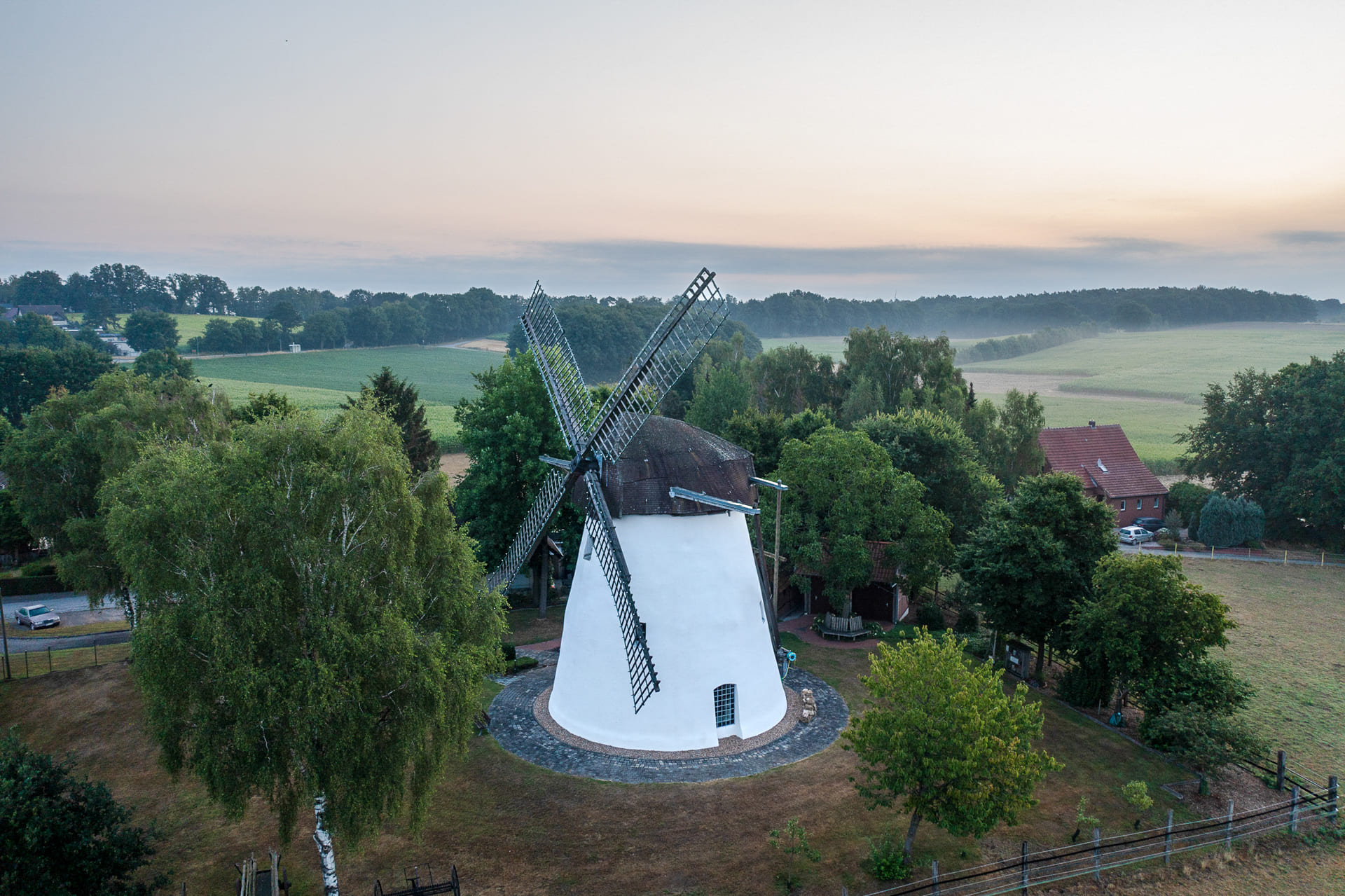
From Raesfeld, the route leads via Klein Reken and Maria Veen to Reken. Two special architectural monuments await you there. The Reken tower windmill, one of the oldest and most beautiful of its kind in Westphalia, rises on a hill and can be seen from afar. Construction began in 1775 and was completed in 1807. Around the mill, a small open-air ensemble with outbuildings such as a bakehouse and apiary vividly conveys everyday life in the past.
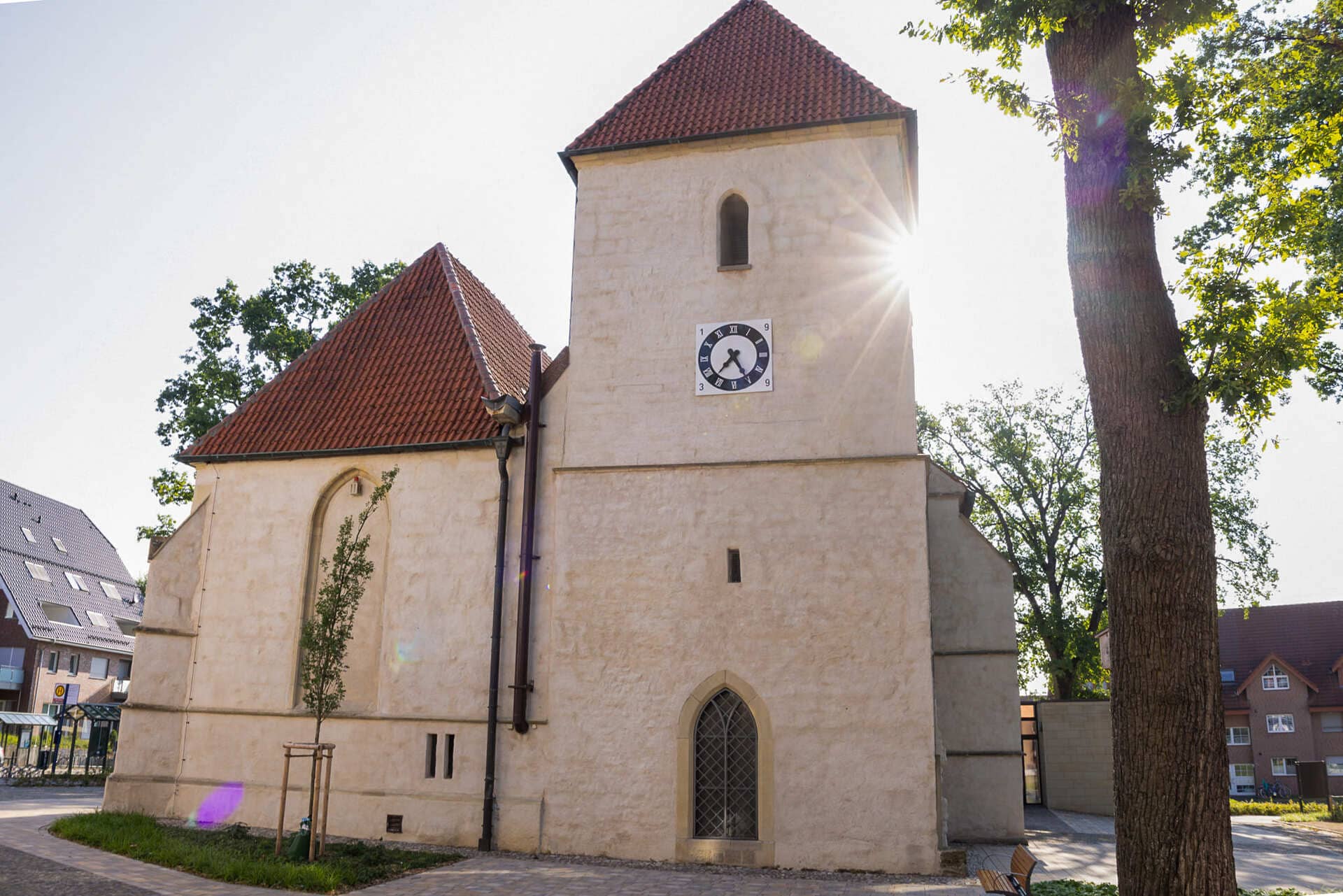
Just a few steps away is the Old Church of St Simon and St Judas, a sacred building from the 12th century. The ornate stained glass windows, which bathe the interior in coloured light, are particularly remarkable.

The last stage of your tour finally takes you through Heiden back to Marbeck-Heiden railway station, where the tour comes to an end - with many unforgettable impressions in your luggage.

All opening times of the monuments and information on whether registration is required can be found on the official website of the action day.

The start and finish point of this 44 km long and varied cycle tour is the railway station in Coesfeld. From here, you follow the course of the Berkel through the green parkland of the Münsterland - past Flamsche in the direction of Lette. You will soon reach the first highlight directly on the cycle path: the Letteran windmill. Built in 1813, the mill is open to visitors every day between 10 am and 5 pm.

Just a few kilometres further on, the old Lette railway station is well worth a stop. The charming, historic building now houses a railway museum. Here you can immerse yourself in the railway history of Westmünsterland - including original technology such as a mechanical signal box.

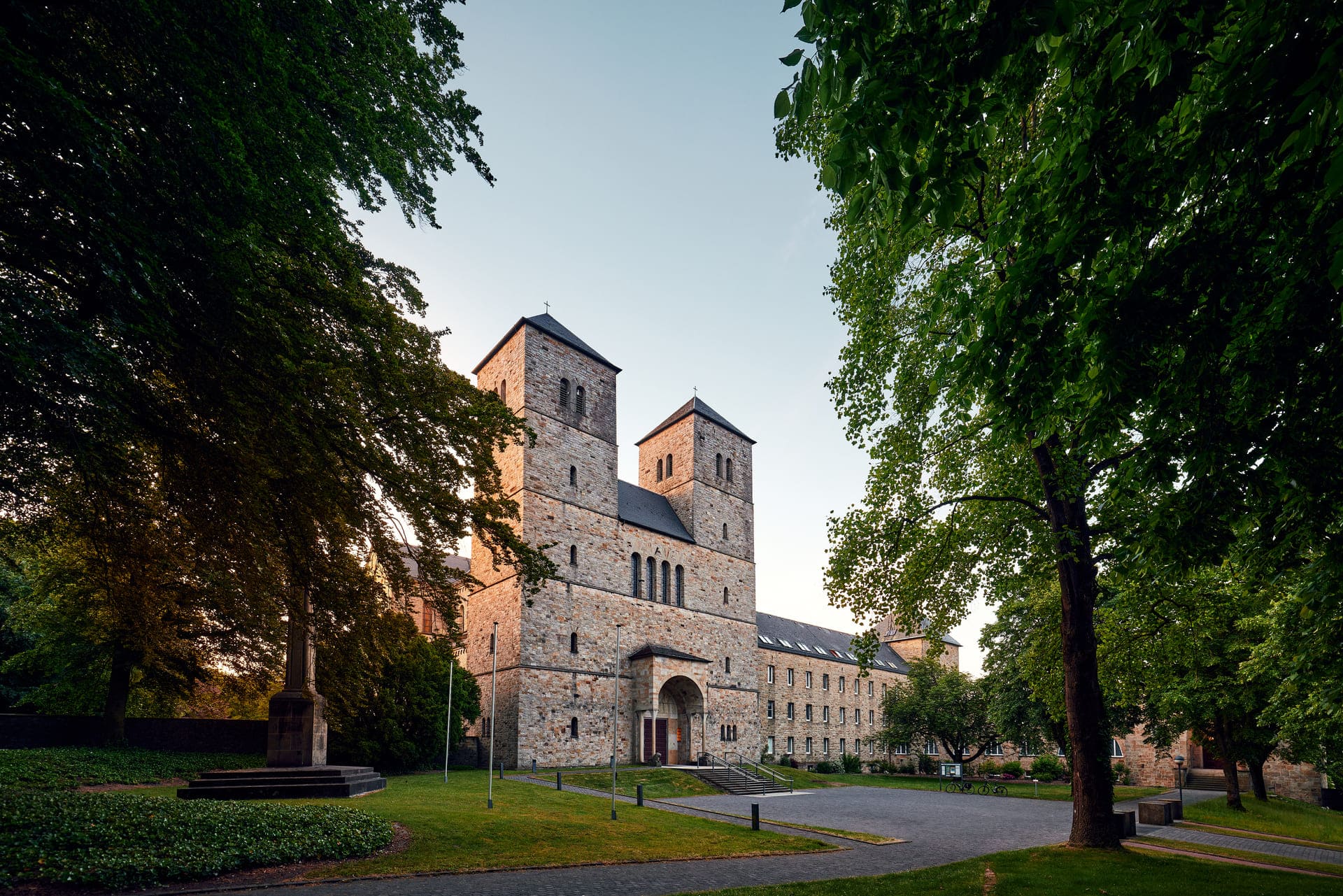
The route then takes you through the Welter Bach nature reserve, a quiet, green retreat with typical Münsterland parkland. If you have a little more time, you can take a short detour to Rorup and visit the parish church of St. Agatha - or continue a few kilometres further to the spiritual centre of the region: Gerleve Abbey. The imposing Benedictine abbey is nestled in rolling hills and is a place of peace and contemplation.

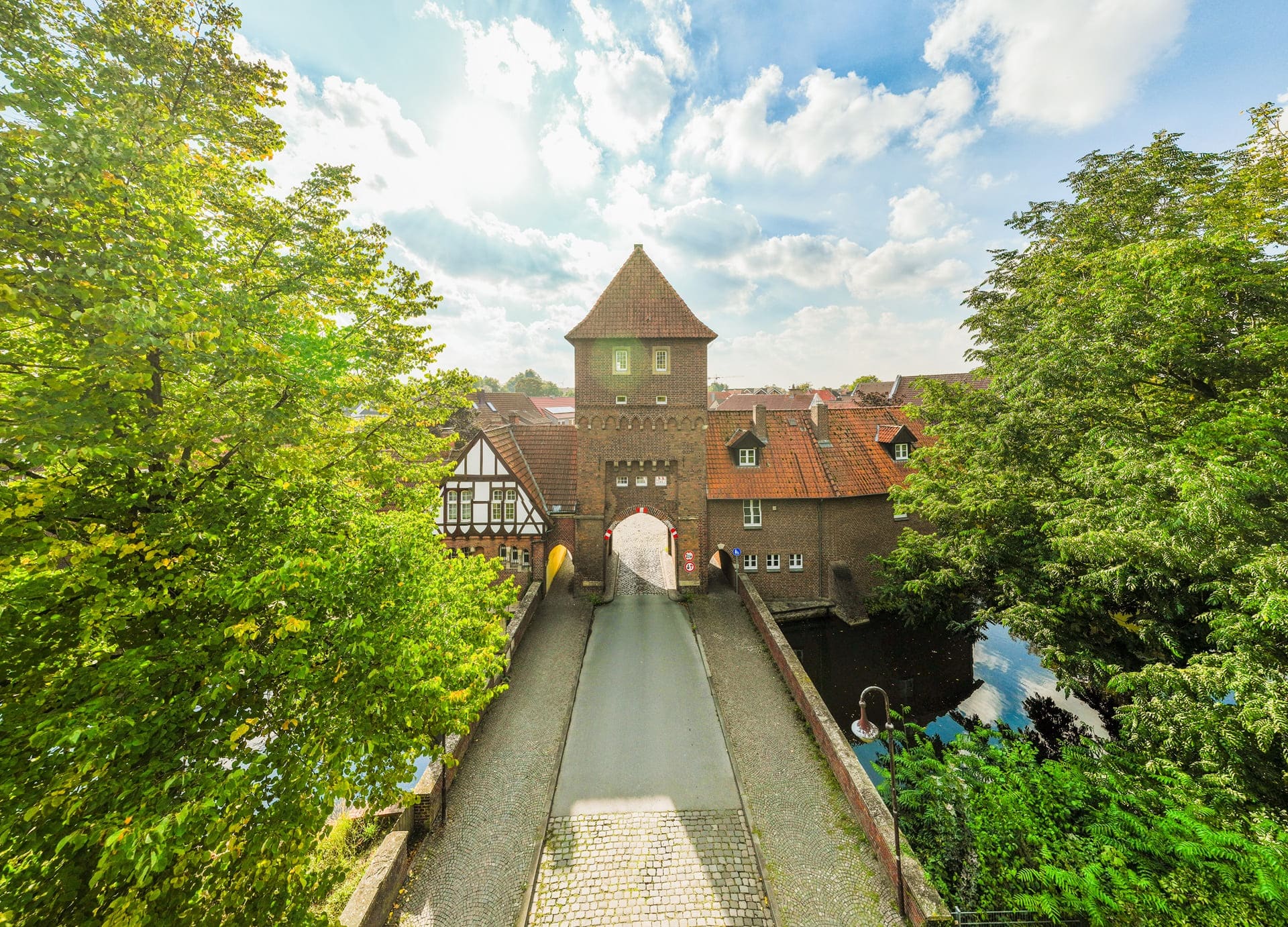
Now it's on to Coesfeld. Here, the Walkenbrückentor - the last remaining town gate of the former medieval town fortifications - awaits in the middle of the town centre. Once a customs station, later a prison, the gate now houses the town museum. It is open on 14 September between 2 and 5 pm.

The tour continues through the green city park to the Old Synagogue - one of the few remaining Jewish places of worship in Westphalia. Built between 1807 and 1810, the historic building stands as a silent testimony to Jewish life in Coesfeld. Guided tours are also offered here on Open Monument Day between 2 and 5 pm.

Your tour ends with a view of the Coesfeld City Palace before you cycle back to the railway station at a leisurely pace.

All opening times of the monuments and information on whether registration is required can be found on the official website of the open day.

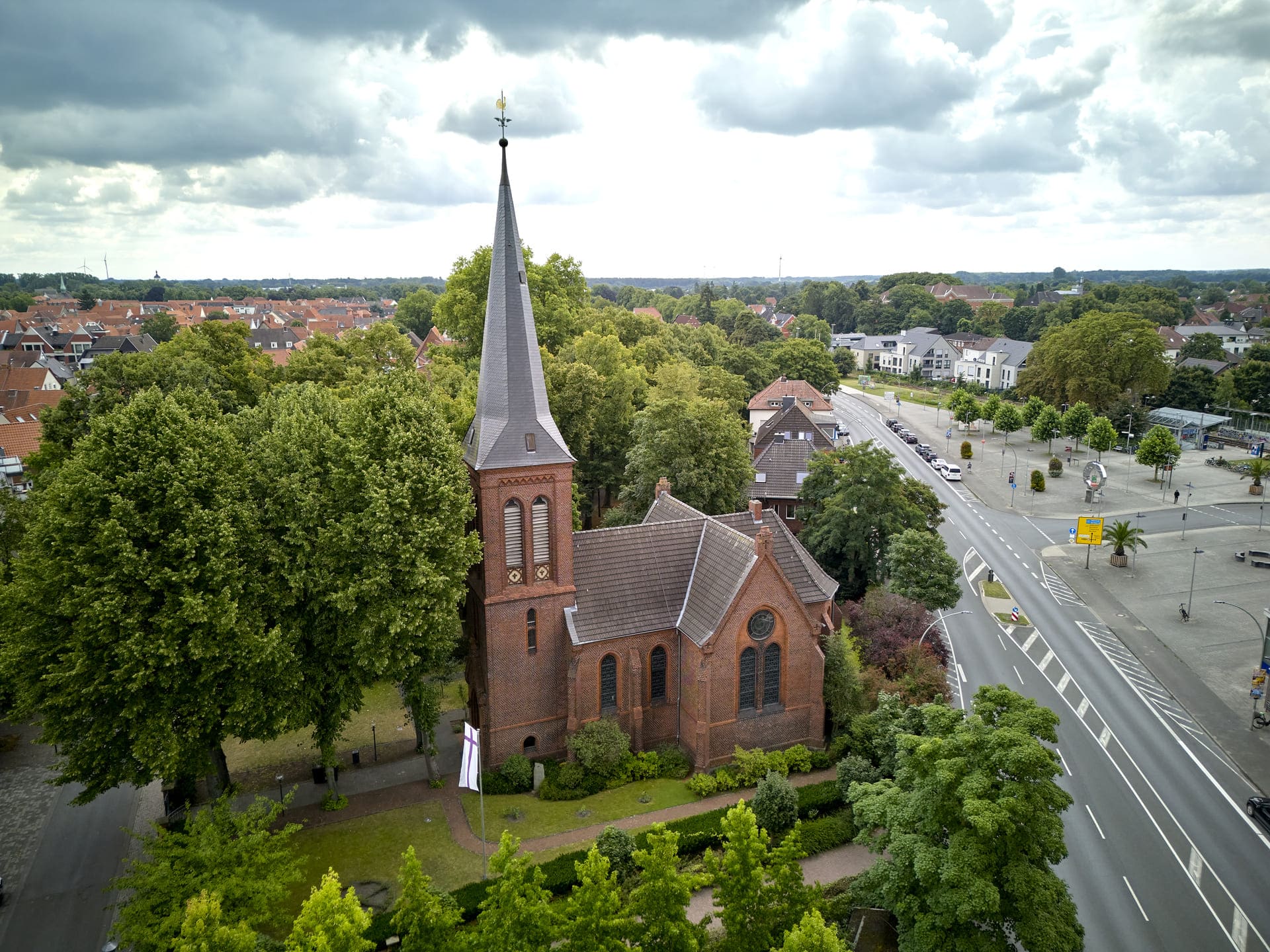
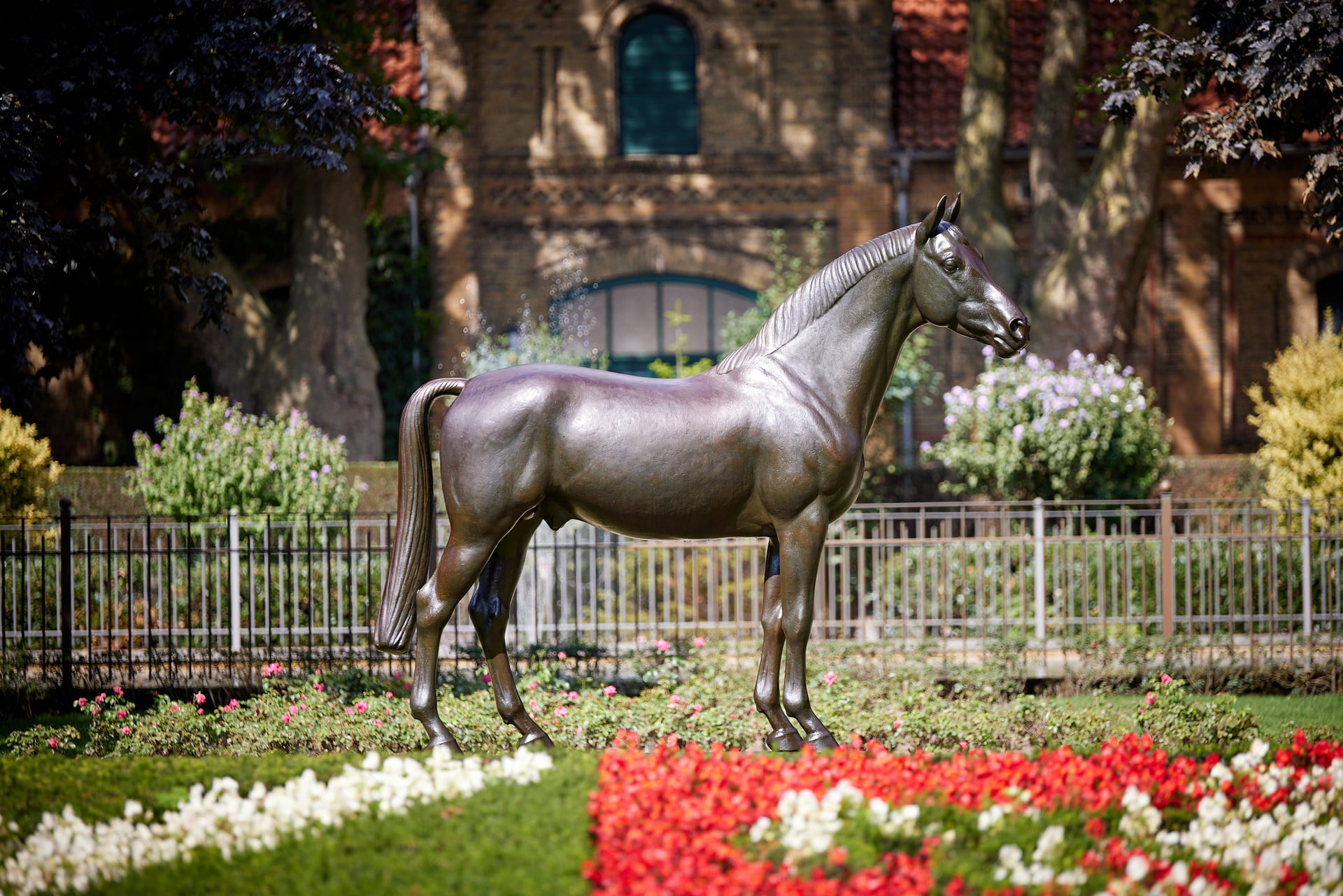
The start and finish point of this 64 km cycle tour is the railway station in Warendorf. From there, the route leads directly into the historic town centre on the market square. On Open Monument Day, nine buildings open their doors here, including the Gadem workers' hostel, the Bürgerhaus, the Christuskirche, the Stellmacherei, the former teachers' seminary, the NRW state stud farm, the Martin Luther House, the Stiftskammer in the Petrikapelle and the Theater am Wall. Which one will you visit?

From the Ems, the route leads out of town to Müssingen and on through the picturesque Münsterland parkland towards Everswinkel. Two half-timbered houses in the town centre await visitors there. You then travel via the districts of Alverskirchen and Wolbeck to Telgte, where you can visit another half-timbered house in Bahnhofsstraße as part of a guided tour at 3 or 4 p.m. - a building from the 16th century that is currently undergoing extensive renovation. During a guided tour, you will gain exciting insights into the construction site of the half-timbered house, which will be listed in 2024.

After Telgte, the route first takes you along the River Ems before returning through the cultural landscape of the Münsterland: via Einen, past Milte and finally back to Warendorf, where your excursion ends at the railway station.

All opening times of the monuments and information on whether registration is necessary can be found on the official website of the action day.

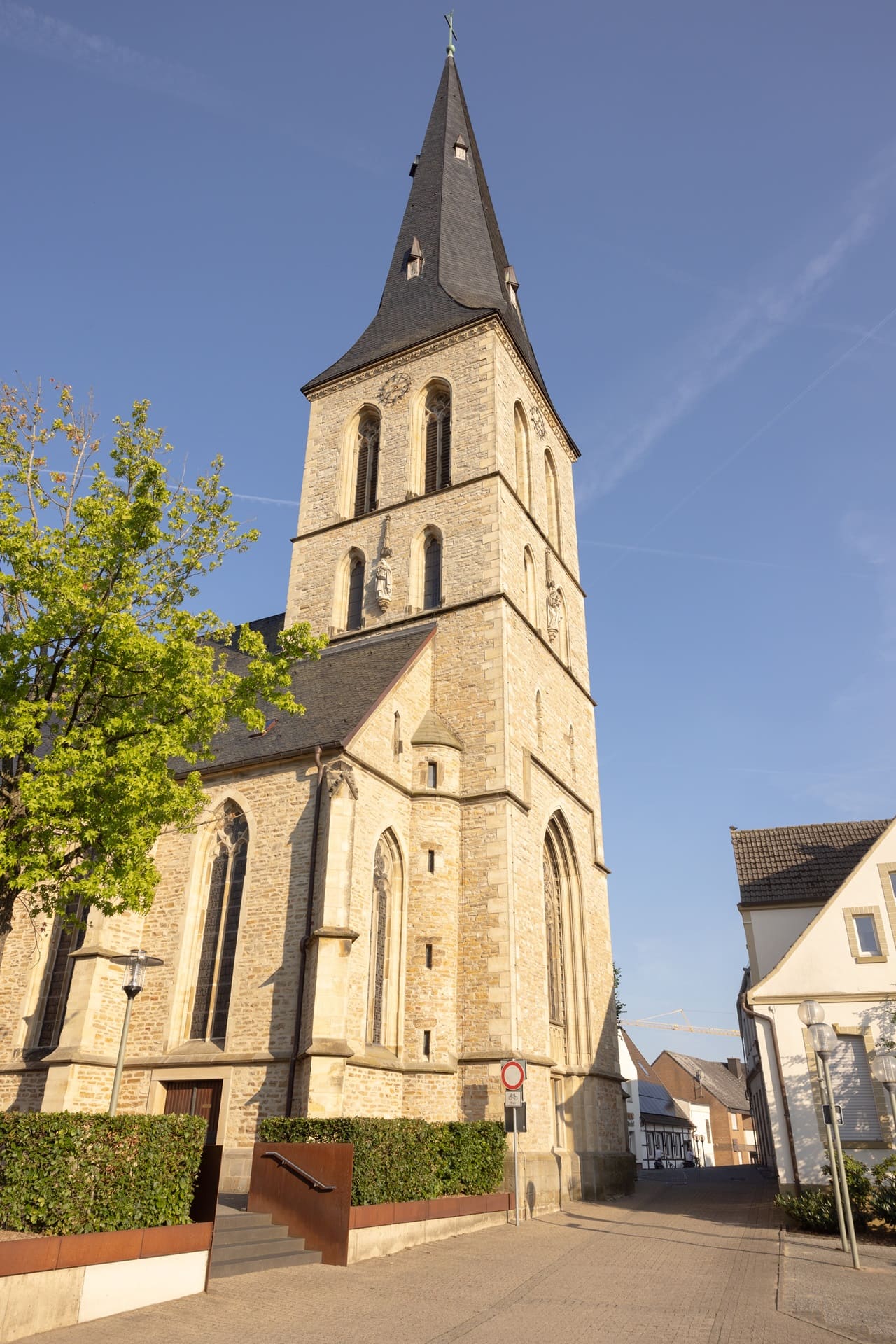
If you want to cycle in the Steinfurt district, choose this 62 km tour. The start and end point is the railway station in Nordwalde. The first highlight awaits you here in Nordwalde: St Dionysius Church, where an organ tour takes place at 3 pm and an organ concert at 5 pm on Open Monument Day.

From there, the route leads through fields and meadows to the Reckfort farmstead, which can be visited from 10 am to 5 pm. The estate, which is over 400 years old, consists of five buildings that are completely surrounded by a moat. The centrepiece is the main house with its hearth fire, complemented by a museum that brings the history of old hearth fires to life.

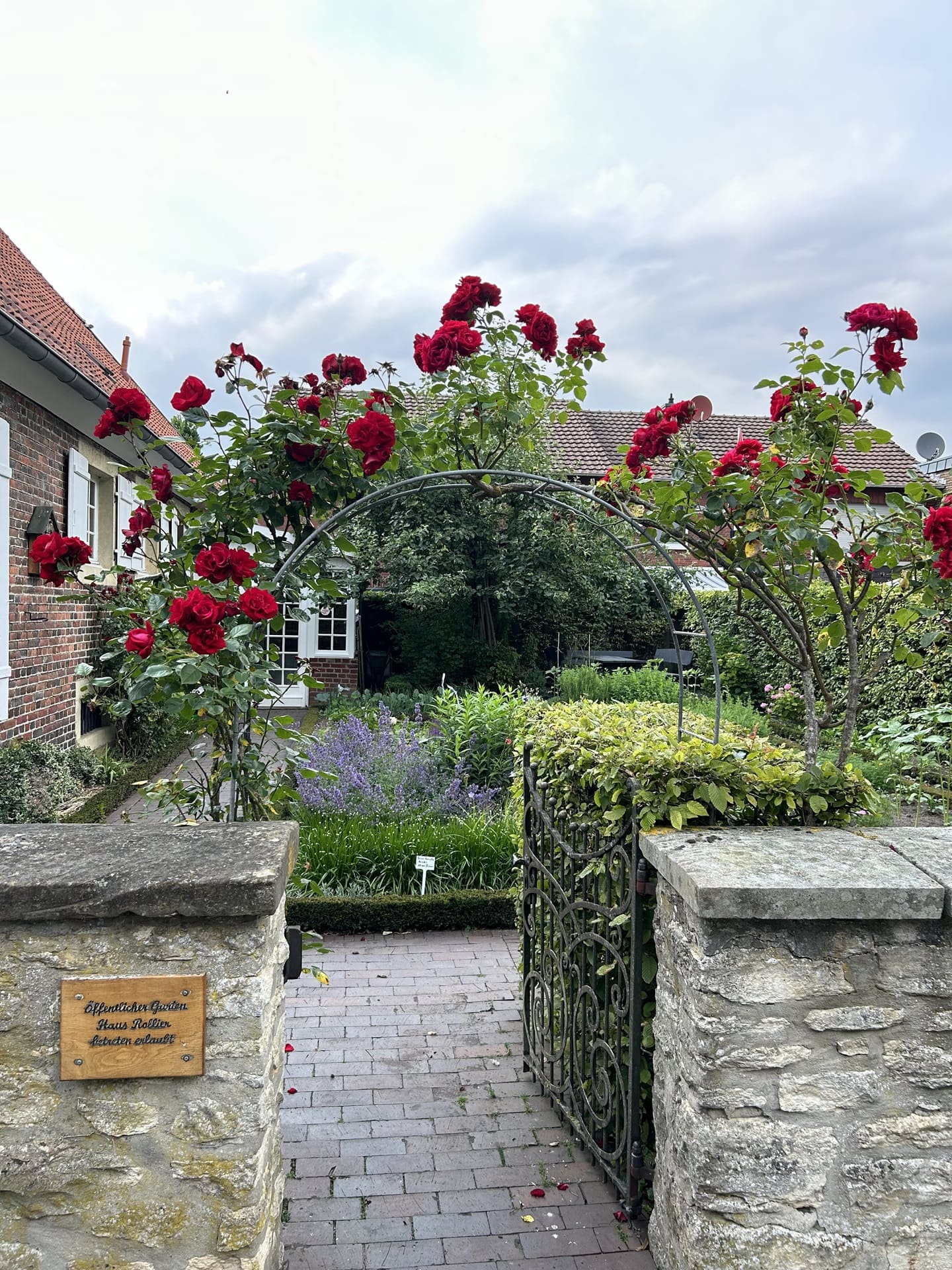
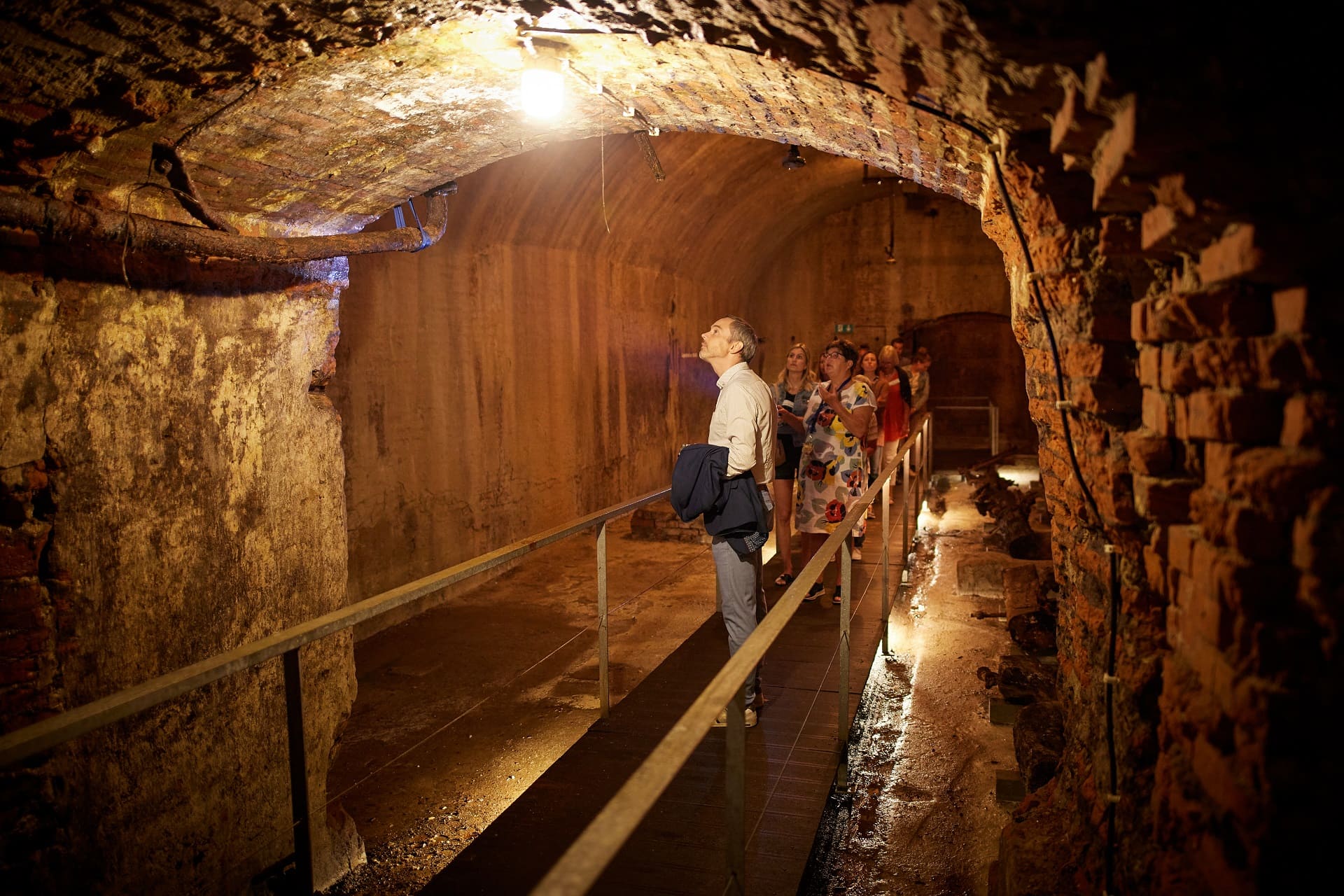
In Altenberge, the historic ice cellar (open from 11 a.m. to 4.30 p.m.) of a former brewery awaits you. A few kilometres further on, in Laer, you can visit Haus Rollier (open 11 a.m. - 6 p.m.) - a pretty farmhouse with a cottage garden from around 1800.
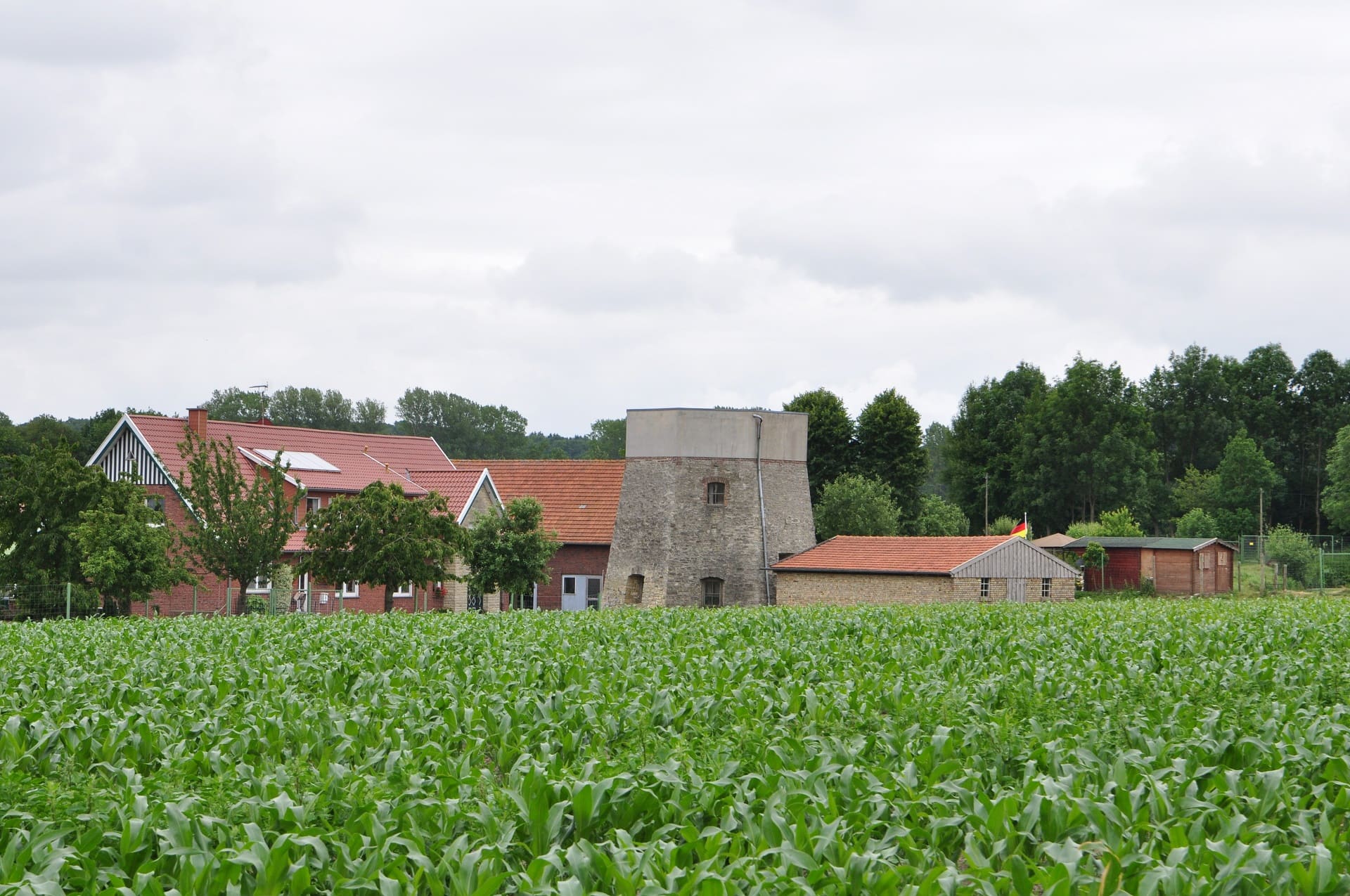
The route continues through typical Münsterland parkland to Horstmar, known for its Burgmannshöfe manor houses, and towards Leer, where two open mills await you: Wenning's watermill and Müllerkotten and Schmedding's double mill complex.

The route leads to the moated castle Haus Alst near Steinfurt via the Münsterland CycleTrack. Built in 1624 in the Dutch Renaissance style, the building is inhabited but opens its grounds on Open Monument Day. A guided tour by Dr Burchard Graf von Westerholt begins at 3 pm.

In Borghorst, the Heinrich Neuy Bauhaus Museum (open from 11 a.m. to 5 p.m.), which has been offering exciting insights into the world of the Bauhaus since 2011, awaits at the end of the day. The focus is on works by Heinrich Neuy and other Bauhaus students and teachers. From here, the tour leads back to Nordwalde, where the tour ends at the railway station.

All opening times of the monuments and information on whether registration is necessary can be found on the official website of the action day.

Various monuments in Münster are also opening their doors for the day of action. You can visit a few of them on the following 33 km circular tour. The starting and finishing points are Münster's main railway station. From here, you cycle into the city centre. As cycling is only permitted there at certain times, it is advisable to pay attention to the traffic signs and push if necessary.

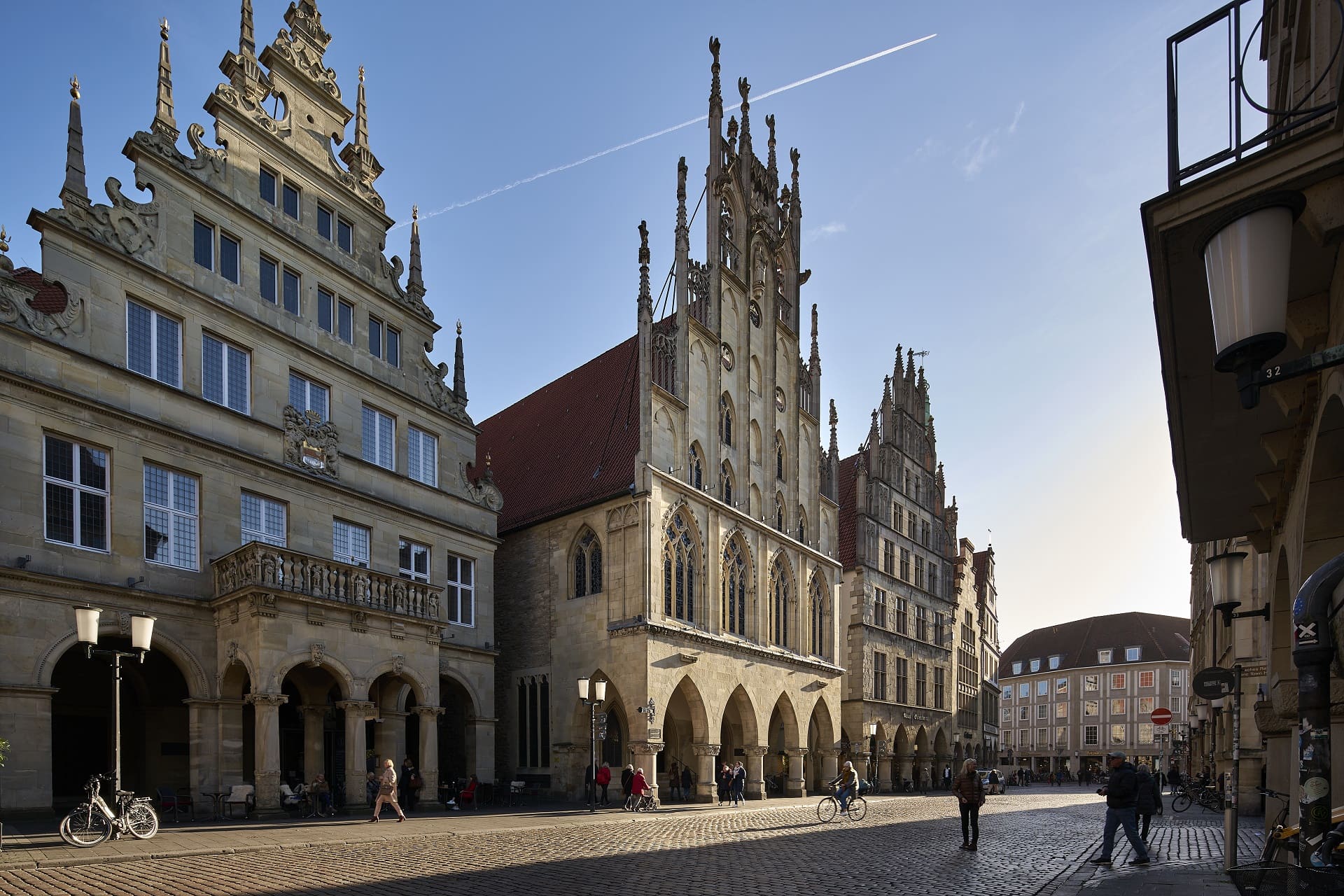
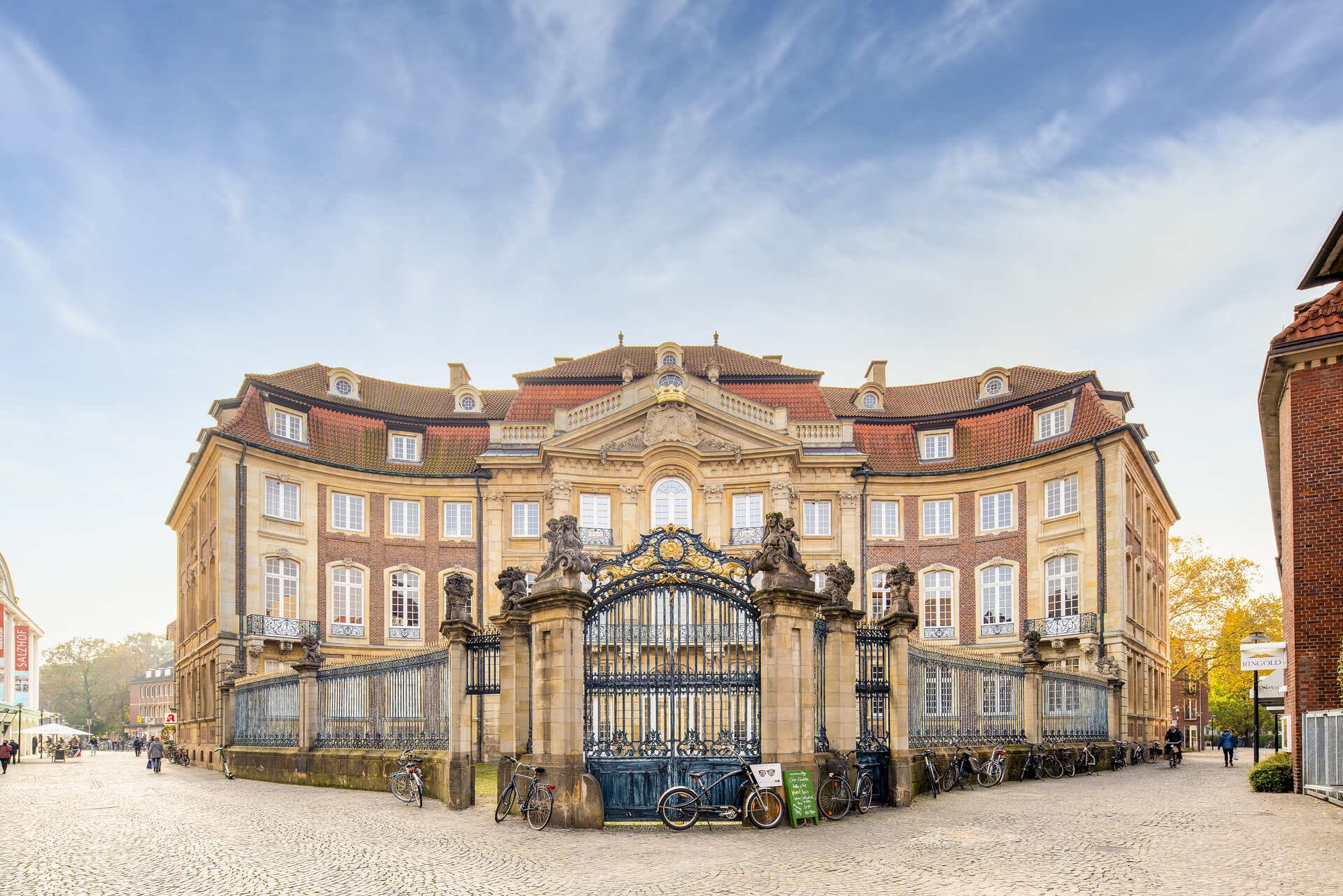
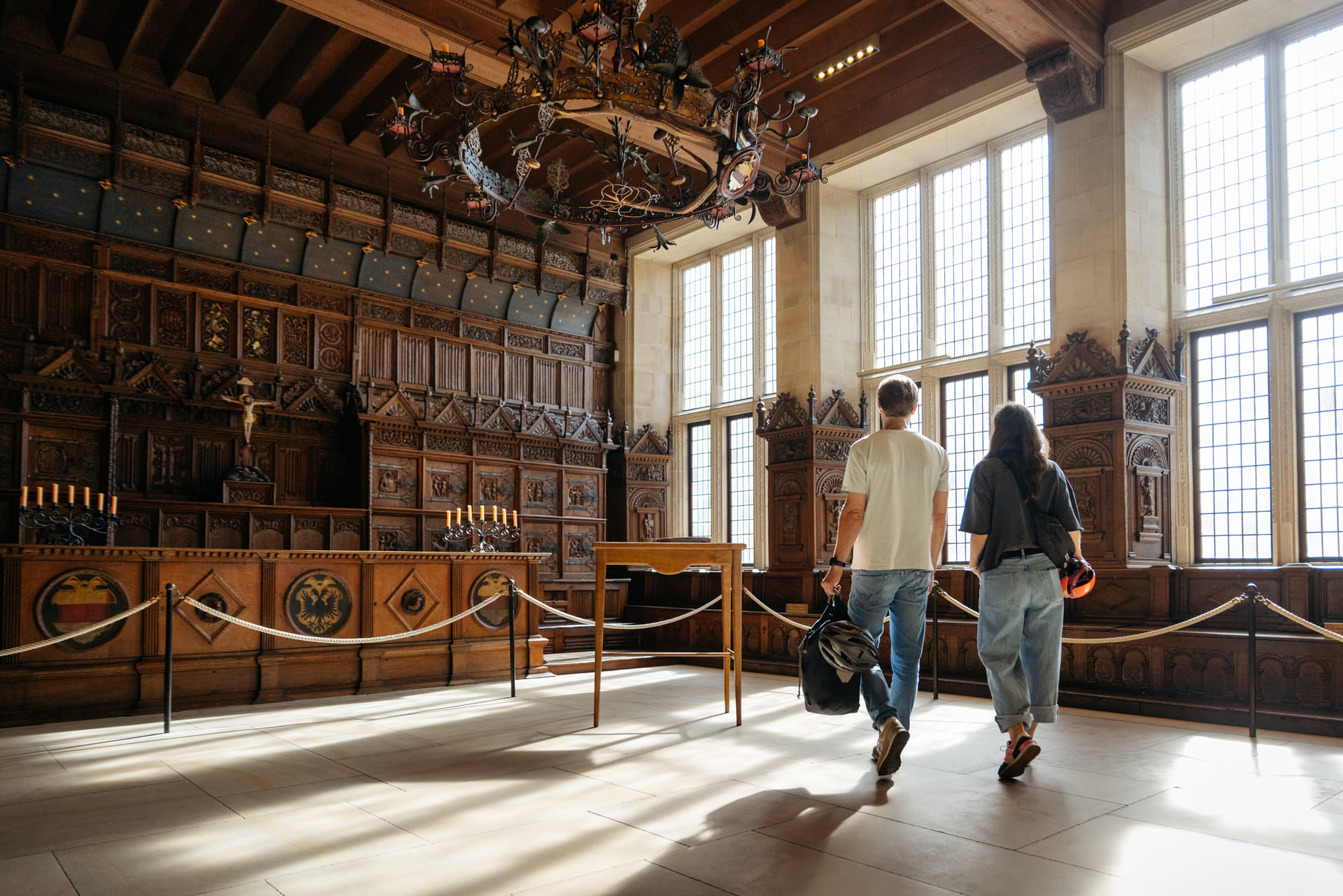
the first stop is the Erbdrostenhof, a baroque masterpiece by Johann Conrad Schlaun. The banqueting hall and the magnificent staircase are particularly worth seeing. The tour continues to Prinzipalmarkt, Münster's "parlour", with the Town Hall of the Peace of Westphalia. The Thirty Years' War ended in the historic Peace Hall in 1648. The Council Chamber with portraits of ambassadors and the Citizens' Hall bear witness to European history, while

the next stop is the Tiled Hall in the Bishop's Palace, accessible via the cathedral cloister. White and blue majolica tiles from the 17th century adorn the reconstructed rococo room,

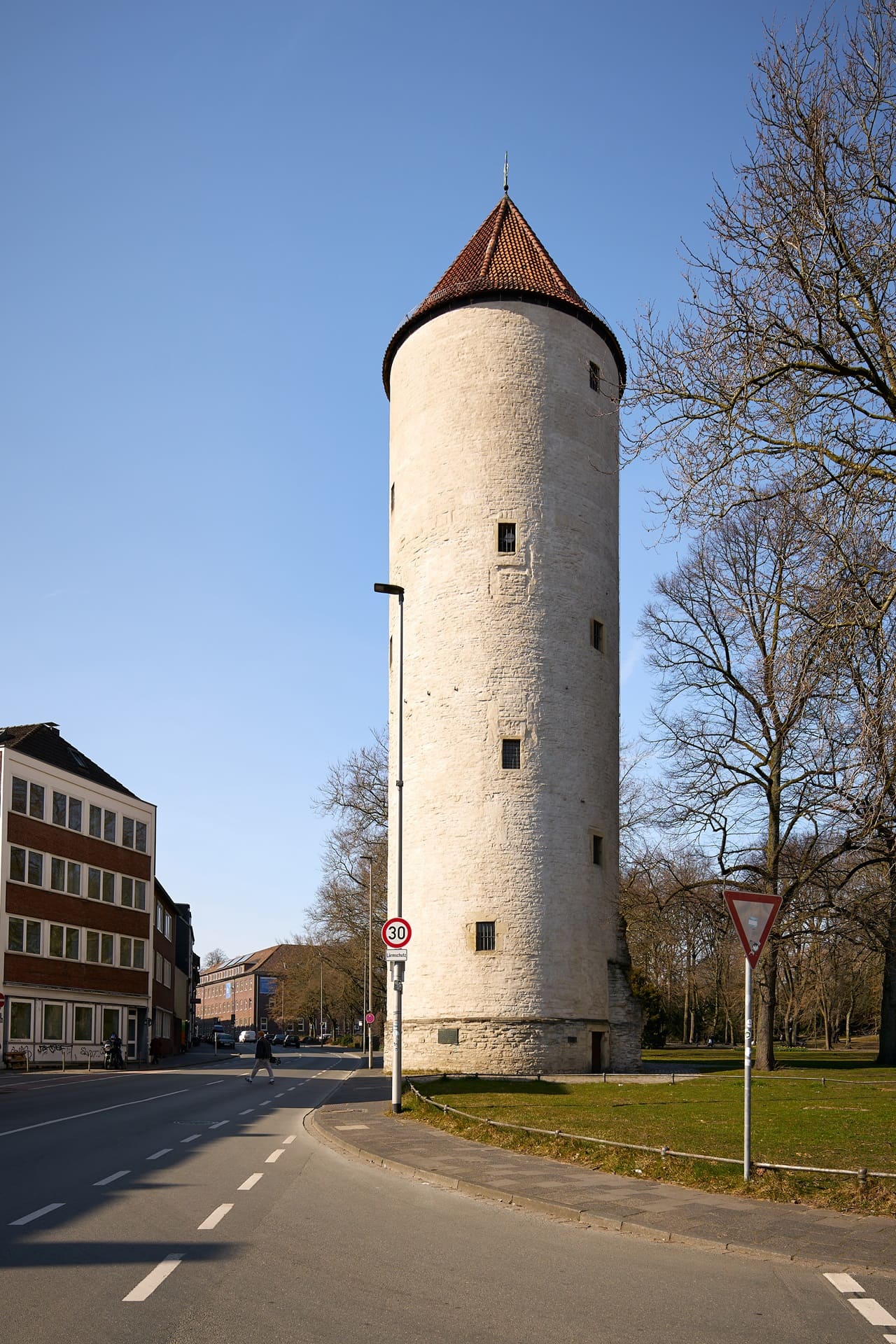
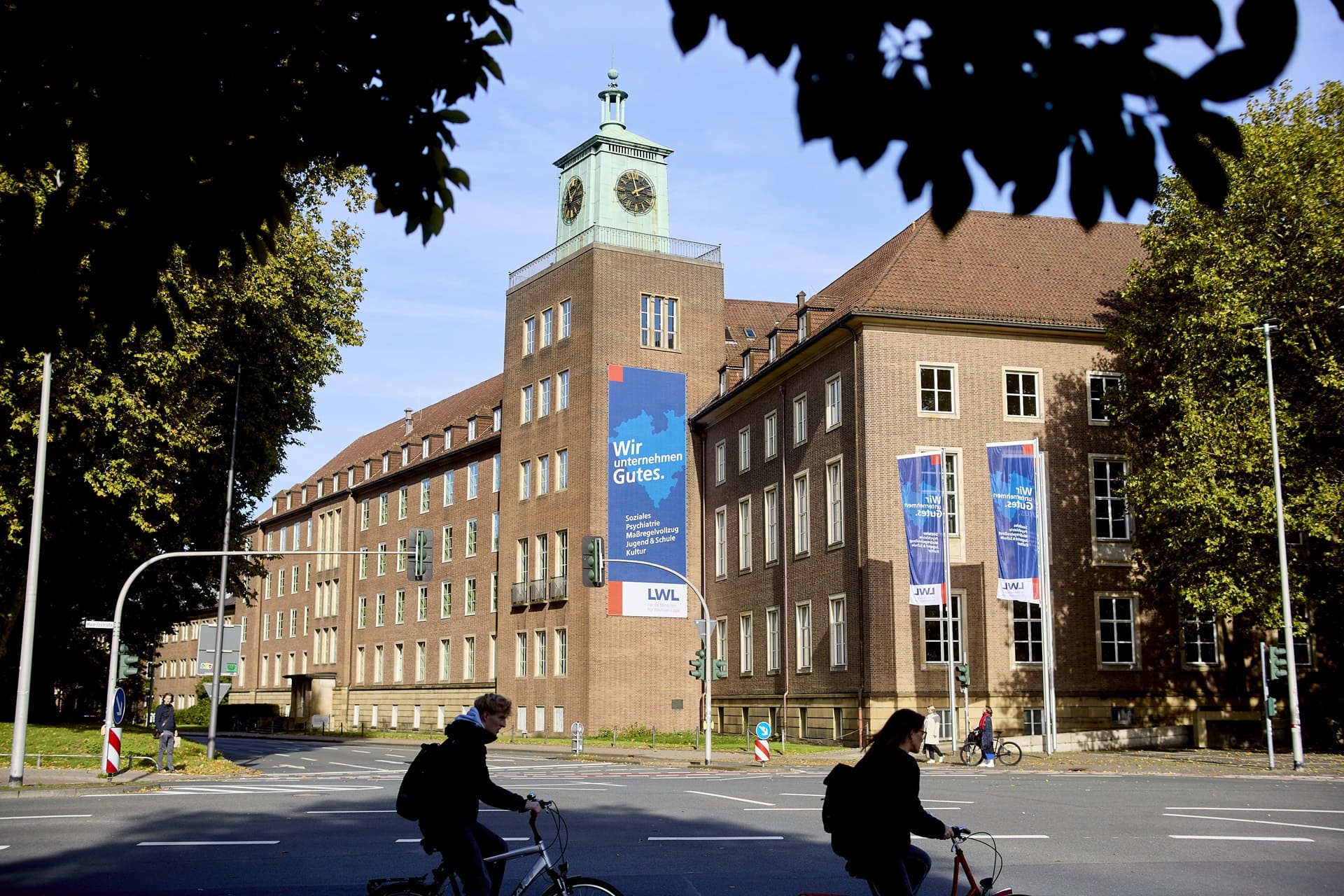
followed by a visit to the LWL-Landeshaus and the NRW State Archives, Westphalia Department, where guided tours are offered between 12 noon and 4 pm. The Zwinger (guided tour at 3 p.m.) and the nearby Buddenturm, the last remaining defence tower of the city wall, await on the promenade

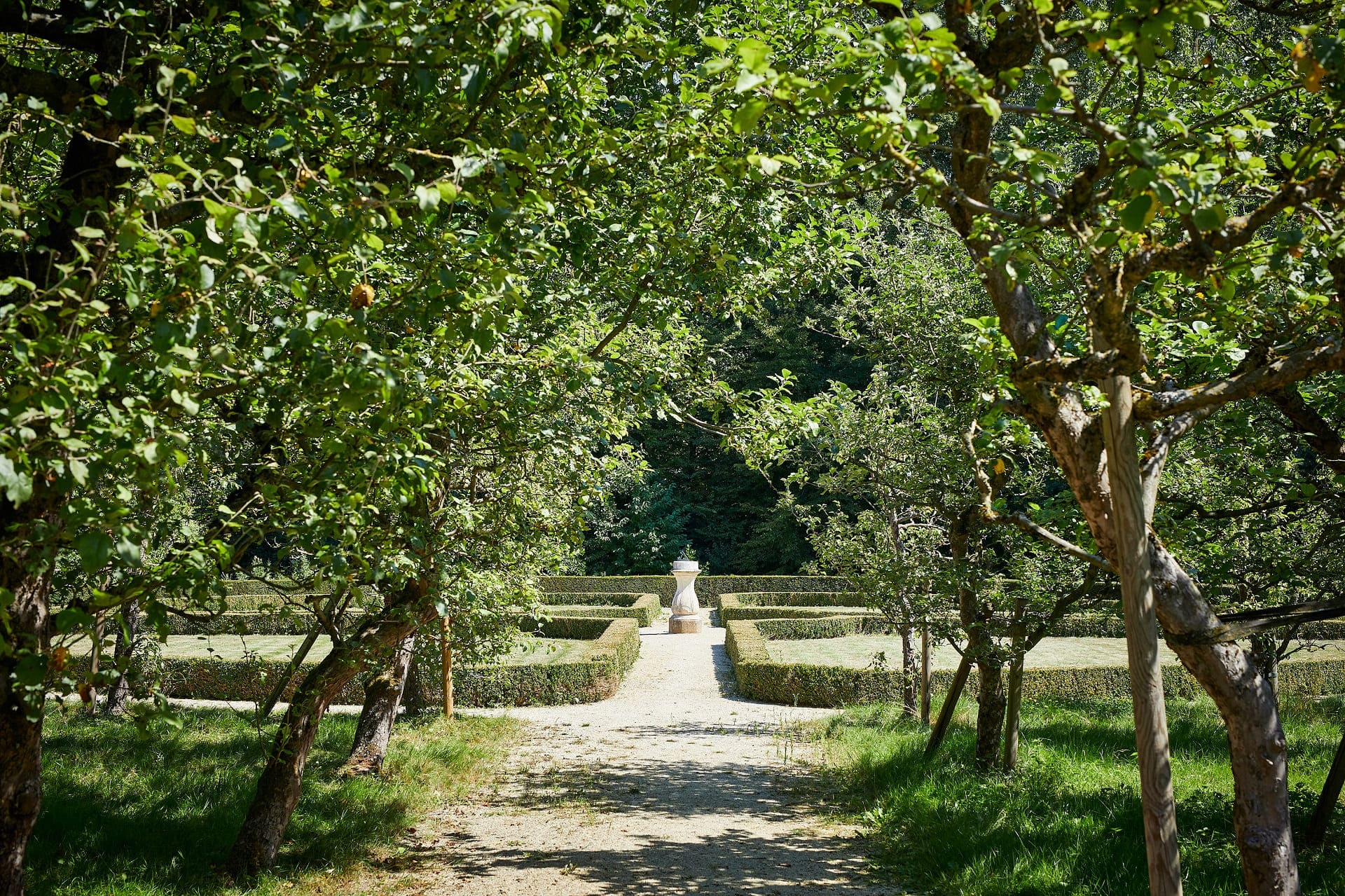
, and the tour leads out of the city centre to Kinderhaus and the Heimathof on the Max Clemens Canal. Continuing through the Münsterland parkland, you reach Haus Rüschhaus, the residence of Annette von Droste-Hülshoff, whose enchanting garden can be visited between 2 and 4 p.m.

Via Gievenbeck, you reach the Oxford barracks, an impressive barracks complex from the 1930s with quarry stone walls and terraces. The way back leads along the Aasee lake back to Münster main station.

All opening times of the monuments and information on whether registration is necessary can be found at

Close Contact & Info
Close