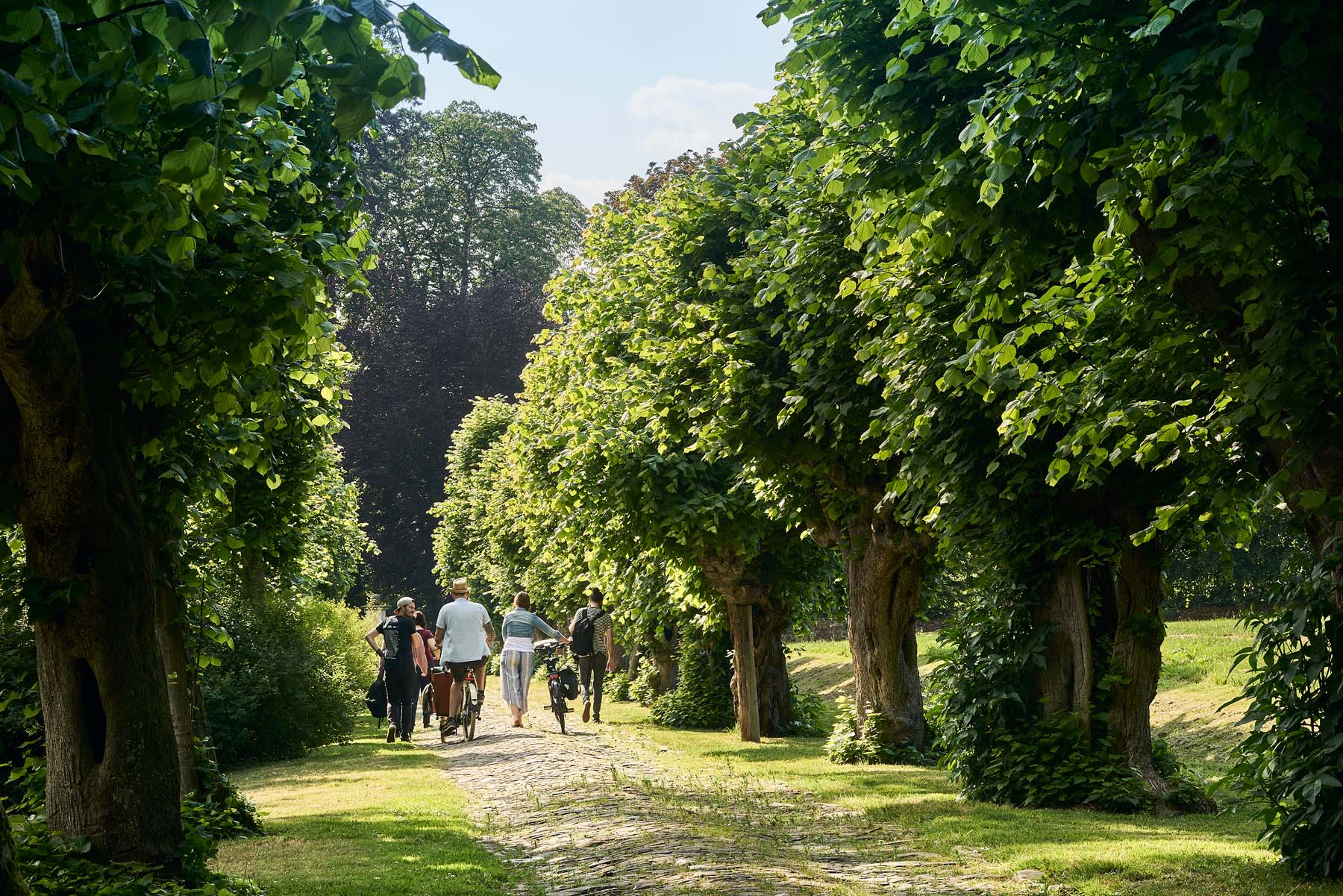
"Haus Marck lets me breathe deeply".

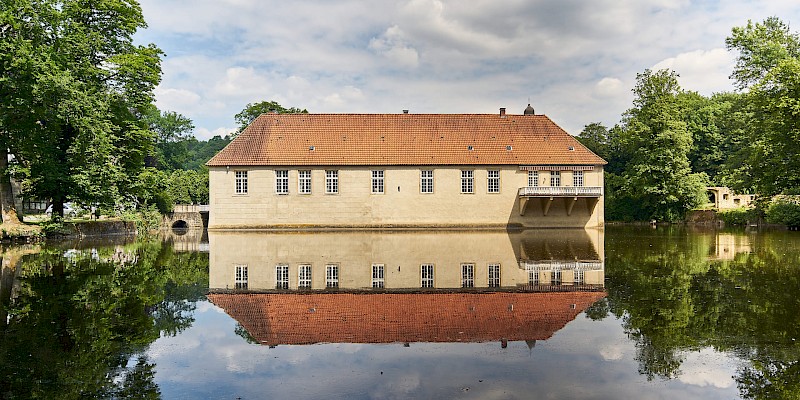
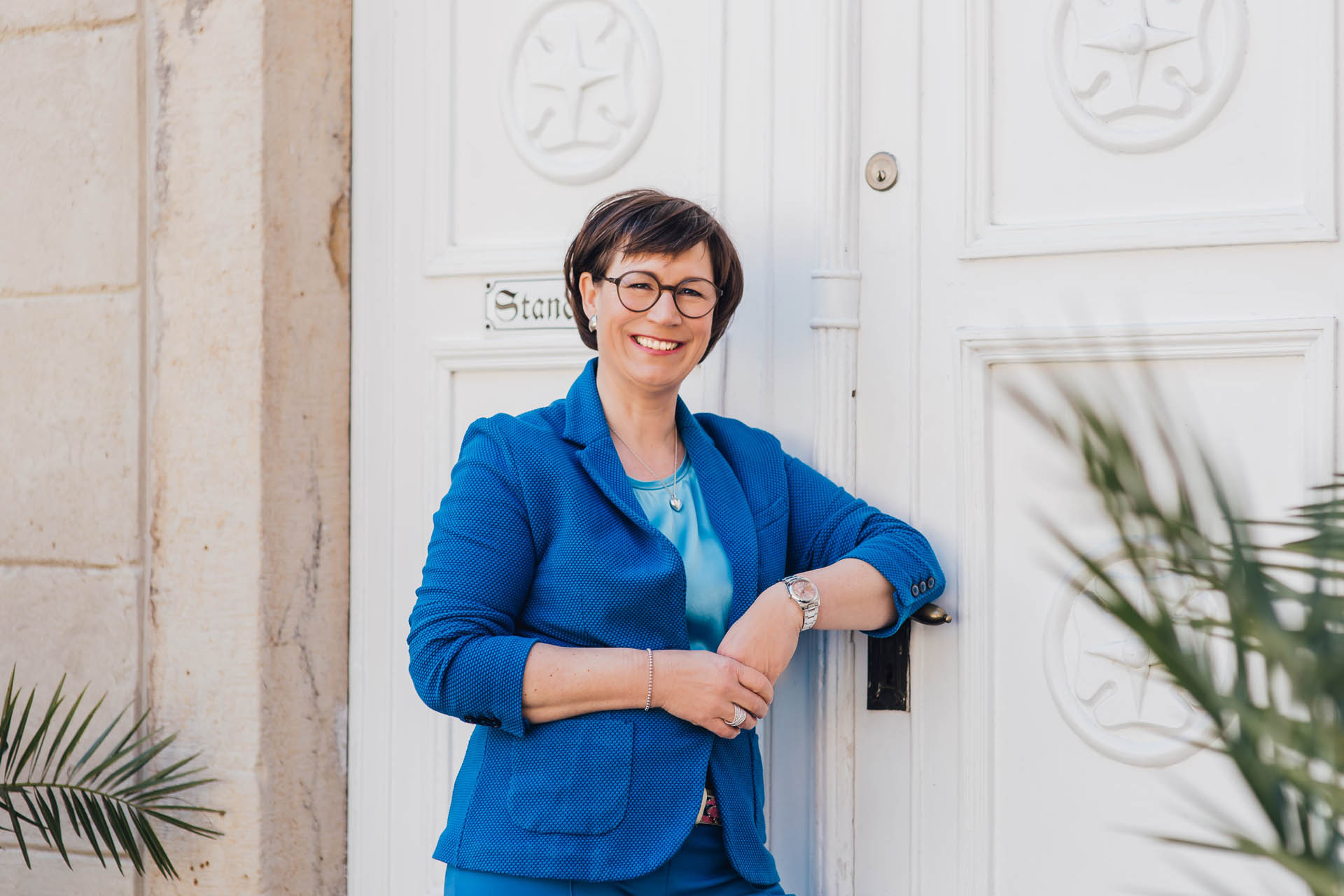
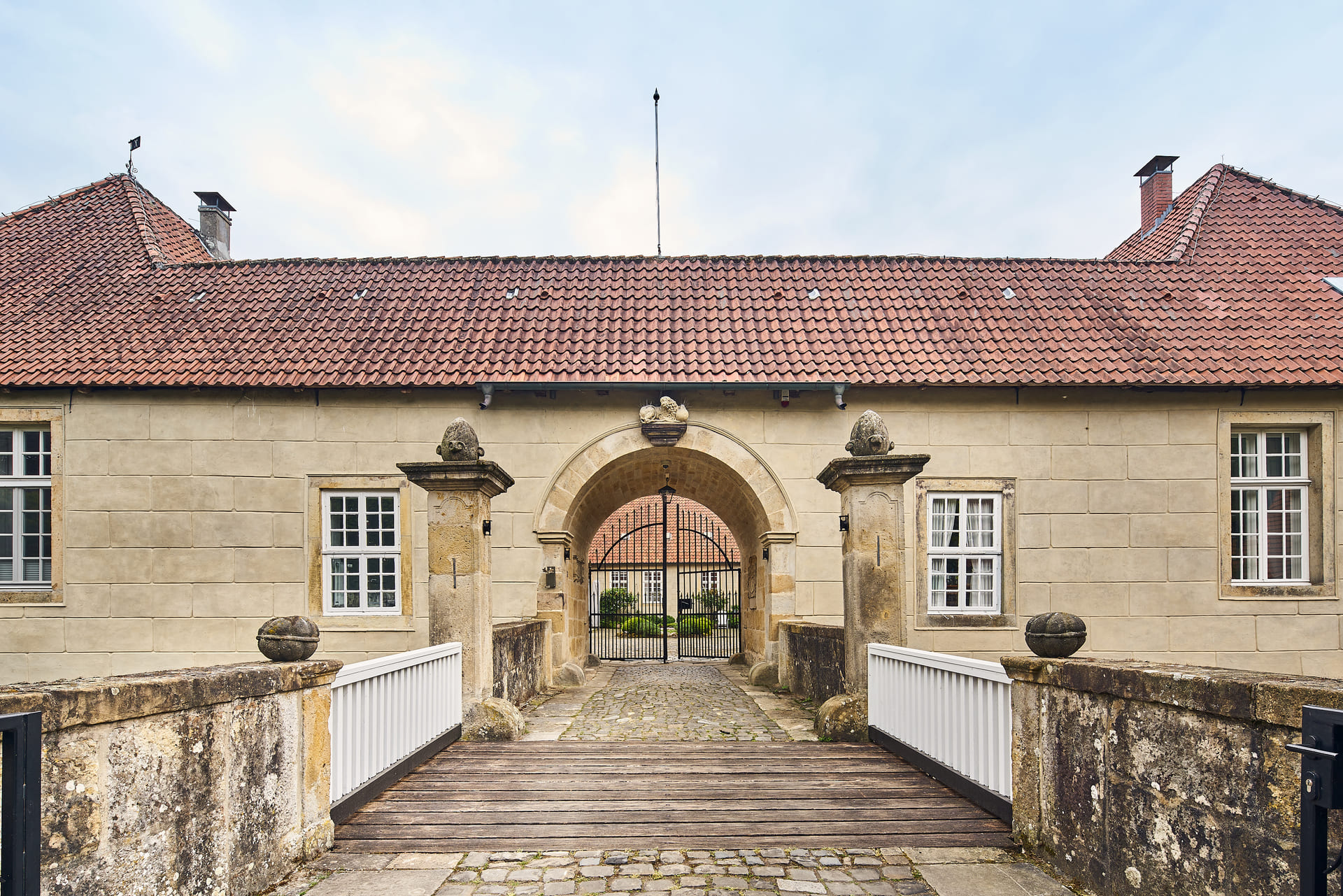
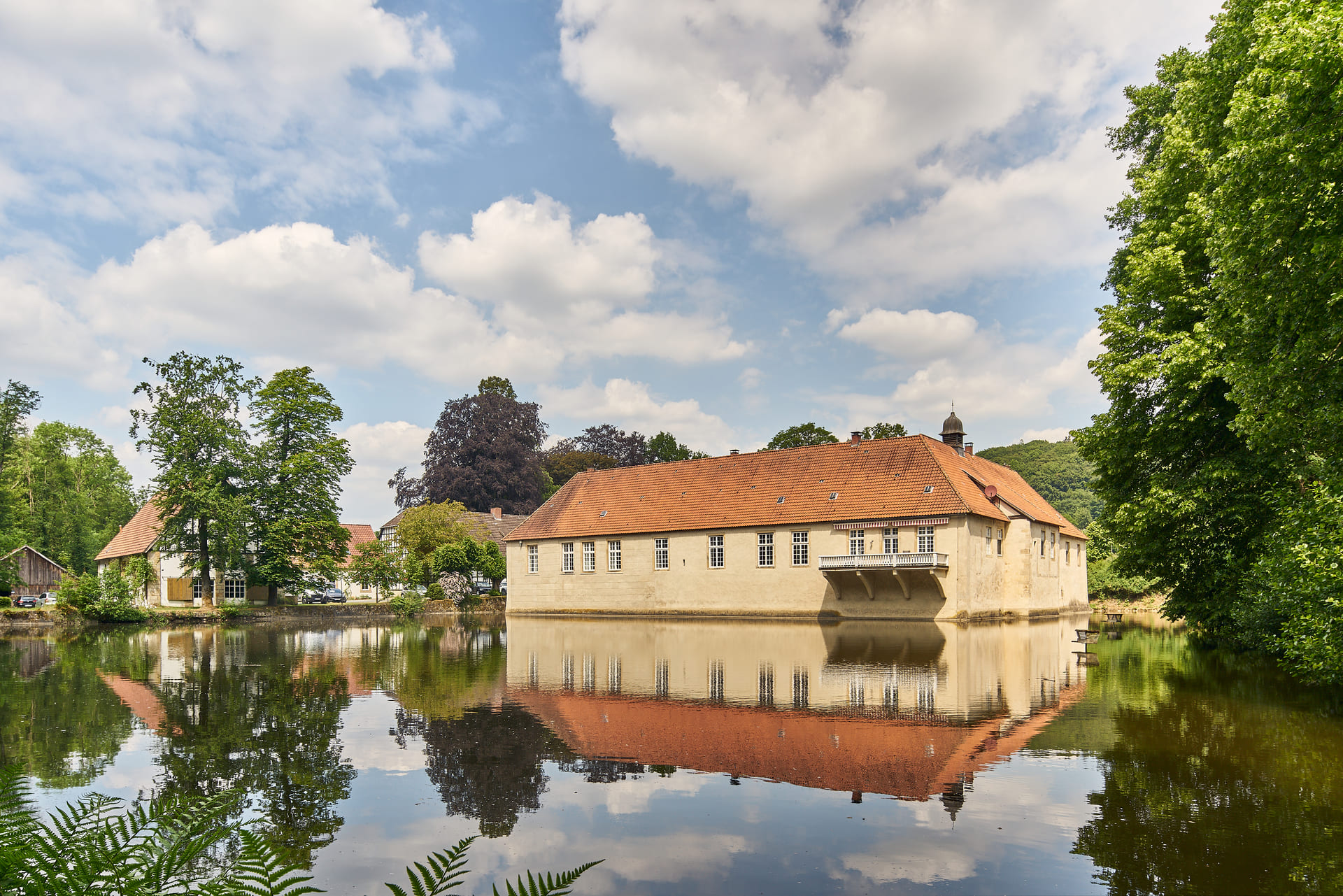
With Haus Marck in Tecklenburg, Ricarda Freifrau von Diepenbroick-Grüter took over her family's ancestral seat more than 25 years ago. She is the first to share the 14th century moated castle with the public on a large scale: Haus Marck is a wedding venue, cultural centre and location for events all in one. Ricarda von Diepenbroick-Grüter tells us what it means to revive a time-honoured home.

A life in the castle

Ms von Diepenbroick-Grüter, you grew up in Dortmund and knew Haus Marck as your father's childhood home. How did it come about that you moved in here yourself?

When I was 17, my godfather asked me, "Can you imagine taking over the house?" He didn't have any children and was thinking about which of his nephews and nieces he trusted with the job and who might enjoy the castle. In my youthful recklessness I said yes, but had no idea what was in store for me. A few years later, he invited me to get to know everyday life at the castle. My grandmother was still living here at the time and he was helping to care for her. She was physically limited and needed appropriate support. My uncle then went to China for six weeks, and I had to manage Haus Marck somehow. I hesitated until the move.

What stopped you?

It was also about giving up freedoms and finding a partner who could cope with life in the country. After all, we grew up in cities. My husband and I come from different backgrounds: he is a doctor, I am a cultural scientist. When it comes to the castle, I like to talk about the pleasure and the burden. In the meantime, I have identified with it very much.

You even say, "I am Haus Marck."

Yes, it has become my purpose in life. It took me time to get used to it. It took some getting used to, to inhabit the castle in the first place. We came from a normal household in Dortmund and now had a huge estate of almost 100 hectares to manage. For ten years I have been fully behind Haus Marck.

When did you know that this place was special?

From the very beginning. My siblings and I visited the castle very often, were allowed to bring all our friends from school and spent our holidays here. I remember that even then I really liked the atmosphere in the different seasons. Especially when we drove to Tecklenburg at Christmas singing in the car packed with presents, we slowly immersed ourselves in another world.

What are the main advantages for you today?

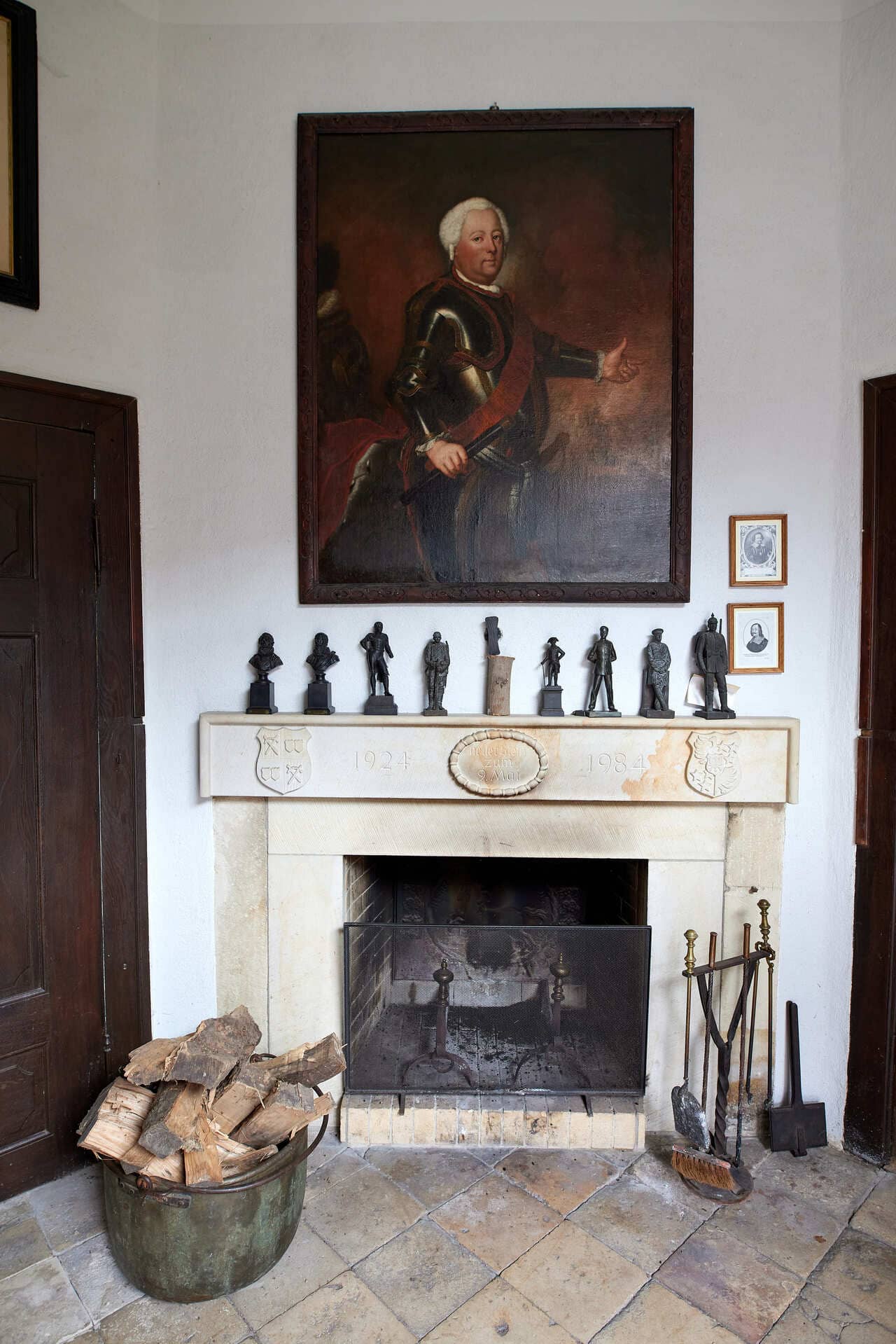
On the outside, nothing significant has ever changed about the castle since 1750. This constancy brings with it something conservative and classic. At the same time, I quickly regain my strength after having been on the road a lot. Haus Marck lets me breathe deeply: when I sit by the fireplace or walk through the forest once, the peace spreads.

You have chosen the balcony of the house as your favourite place.

It was also my grandmother's favourite place. When she sat there, for example for the daily coffee meal from 4 p.m., someone would regularly drop by unannounced for a chat: tenants who wanted to clarify something or friends who were passing through Tecklenburg. Open house - my grandmother liked that. From the balcony you can see how the weather comes and goes, look out over the water and the forest. It brings back early childhood memories for me: in the evening, when the birds were chirping one last time, I'd say, "Listen to them say 'good night' to each other."

History and stories

The history of the house spans seven centuries. What milestones has history produced?

The most significant event is the preliminary negotiations for the Peace of Westphalia, which took place here. Five years before the peace was concluded, i.e. in 1643, the envoys met for the first exploratory talks. In 1831 Friedrich von Bodelschwingh was born in the castle, who made the Bethel Foundations in Bielefeld what they are. Incidentally, there is still a close friendship between the von Bodelschwingh family and us today. Even beyond these two historical highlights, it is noticeable that peaceful things have always happened at Haus Marck. The estate has been in the family for over 700 years. They were very lucky here and were spared even in times of war.

The estate was often bequeathed to female descendants. Have there been any stories about female characters in Haus Marck?

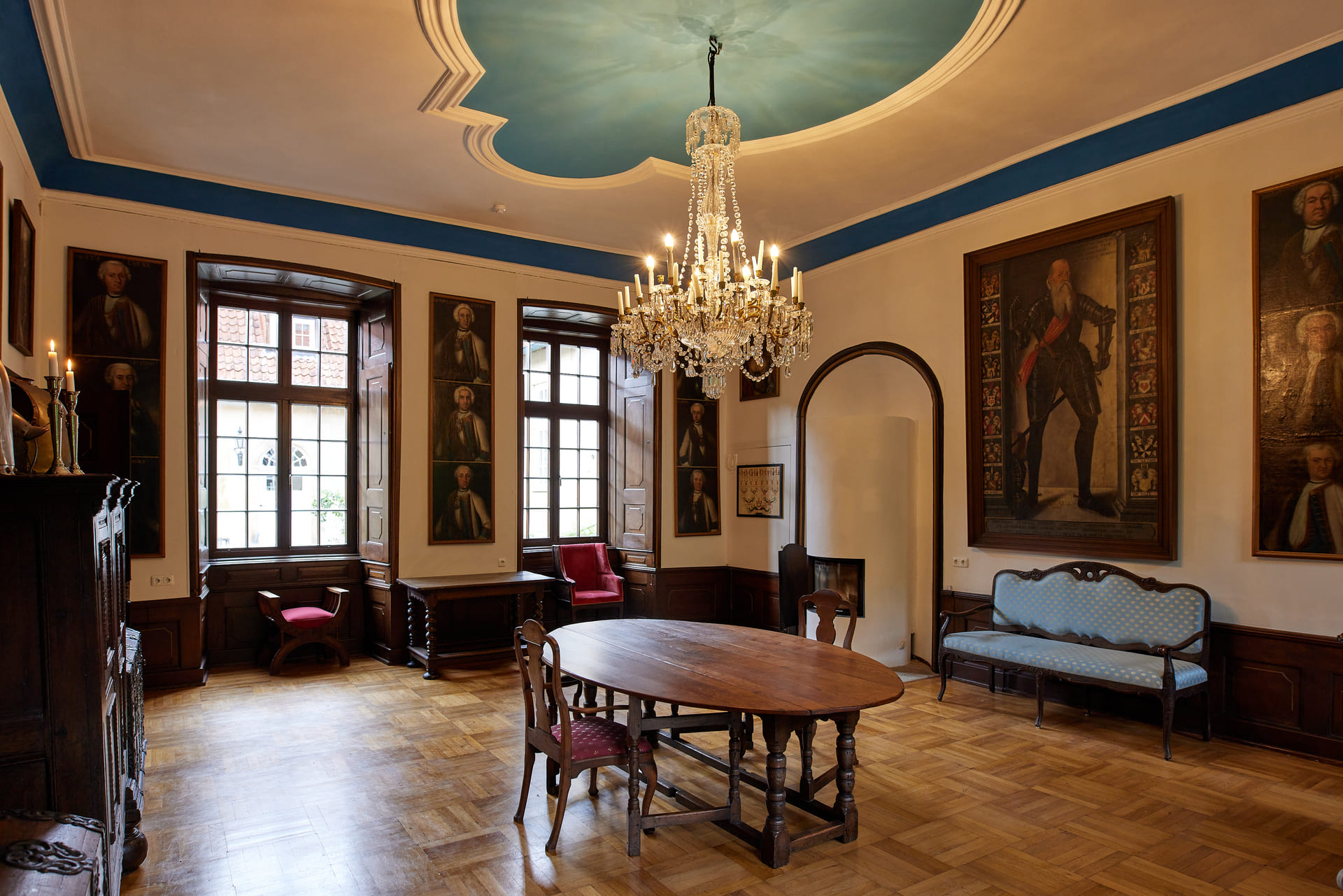
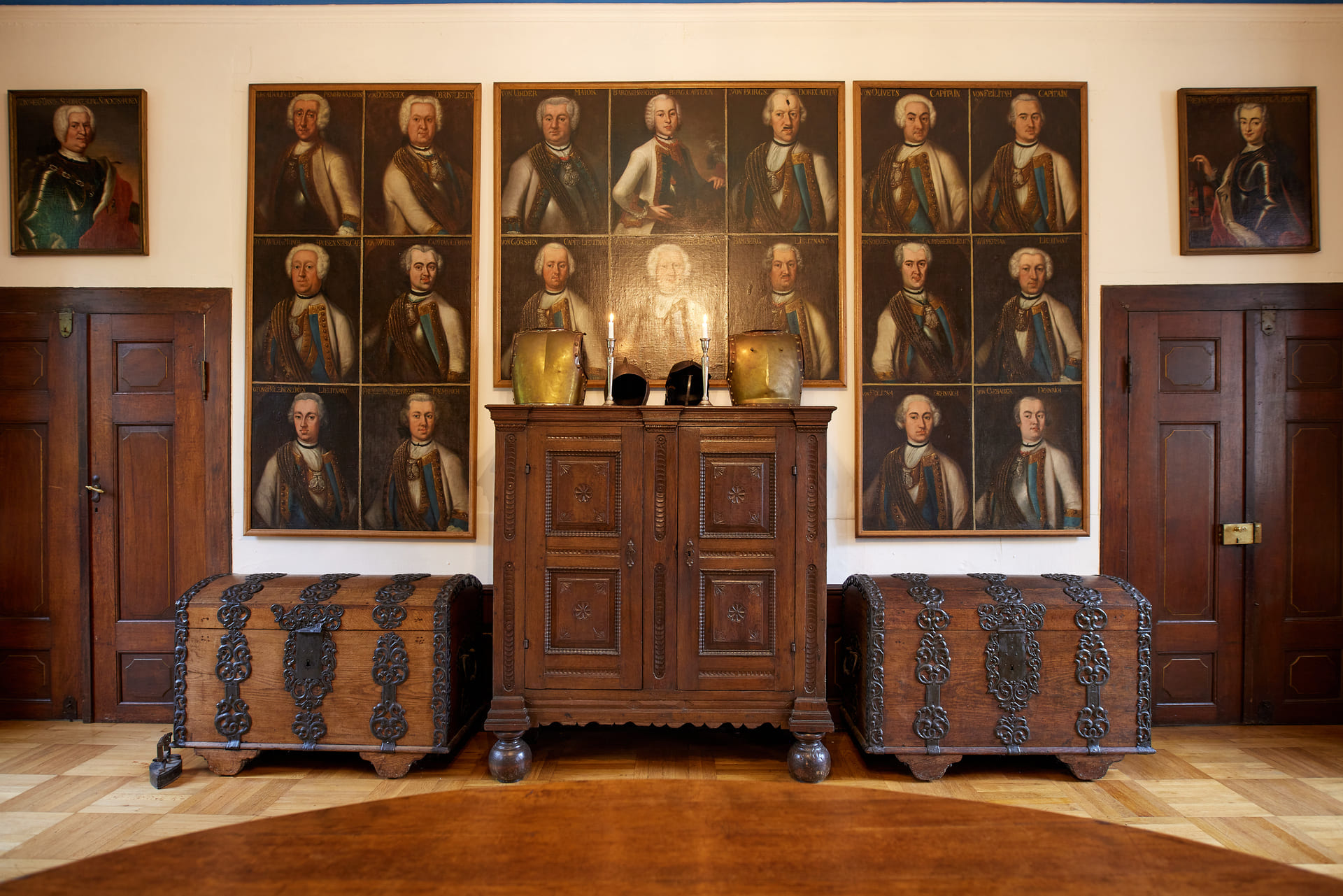
There is, for example, the story of the beautiful Georgine, who was married to the district administrator Louis von Diepenbroick-Grüter. After the French invasion at the beginning of the 19th century, the country was in ruins and our family was impoverished, so they had to sell the house. It was then bought by Carl Kabrun, a friend of Louis and a rich merchant from Danzig, who was unhappily in love with Georgine. In the end, he took his own life out of grief and stipulated in his will that Marck House should once again belong to the family. Georgine died young and a few years after him. Today their portraits hang side by side in our Knights' Hall.

What is your main task in managing the castle?

We are in a phase where we are modernising everything. My ancestors implemented some things, for example, with regard to electrification. We are now trying to use renewable energies, as long as they can be reconciled with the preservation of historical monuments. Of course, we want to reduce the high heating costs. And the roofs have to be watertight. Our concern is to create a good basis for life for the next generation.

There is magic in every wedding ...

The operation of agriculture and forestry was the first priority at Haus Marck for a long time. Today they focus on weddings and events, among other things.

When we took over Haus Marck, it became clear that in order to maintain it, we had to find a new use for it. The running costs are immense, the income from land and forestry at some point no longer brought in enough. We decided to open up the house much more. In recent years, weddings have become our main source of income.

How many couples get married in Haus Marck?

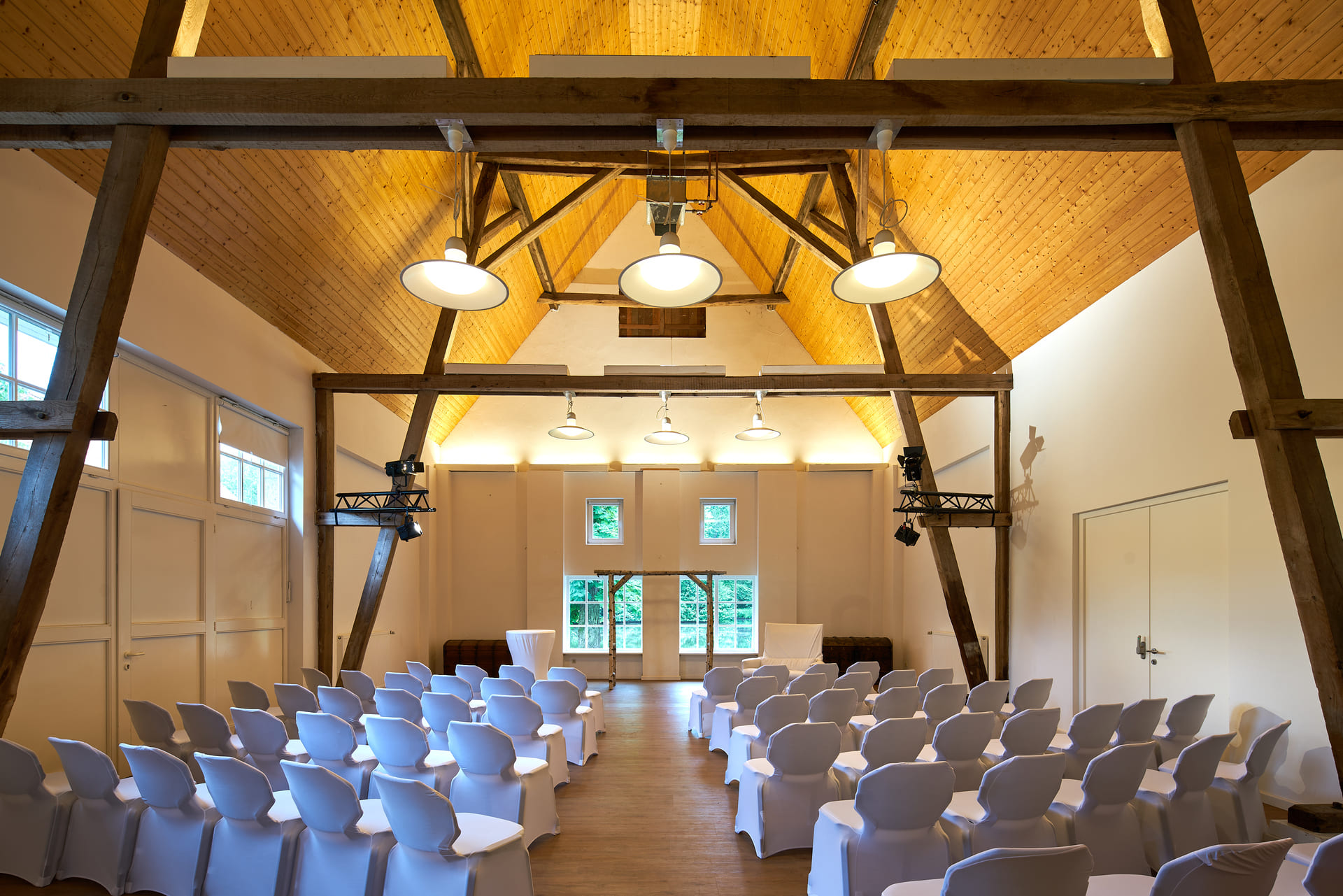
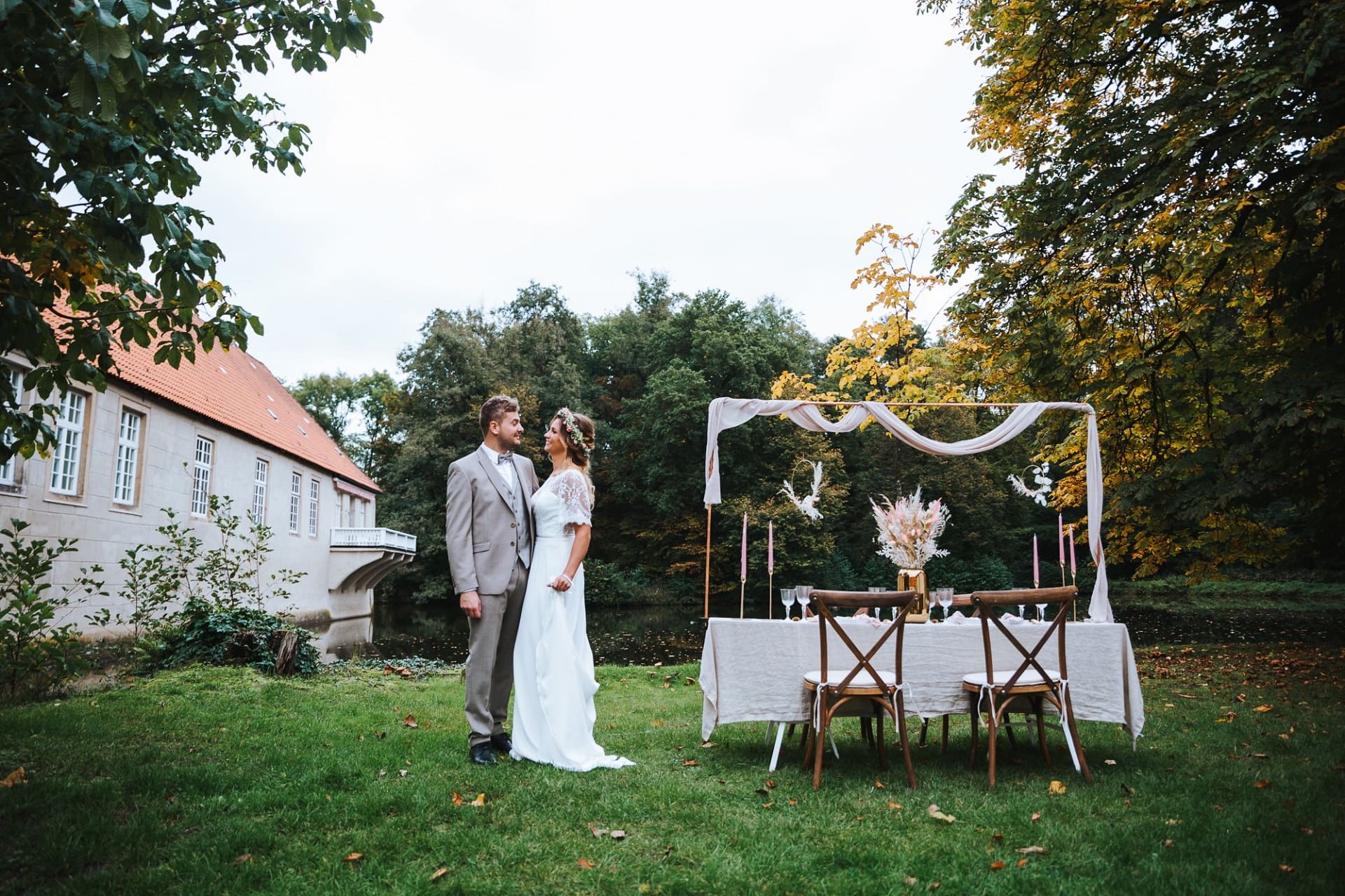
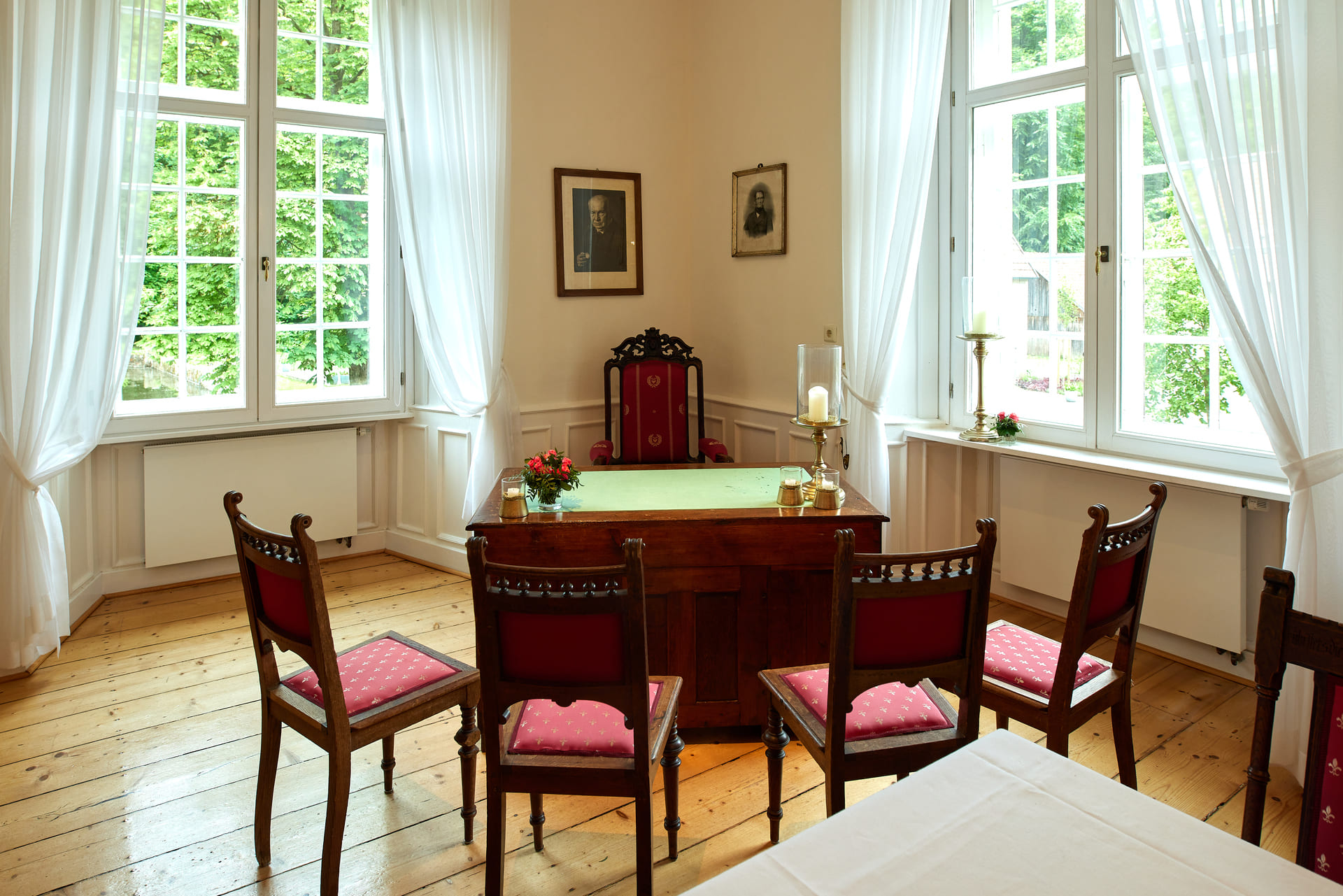
We now host 100 weddings a year. We have been working together with the Tecklenburg registry office since 1998. In addition, more and more couples are deciding to get married in a free wedding ceremony. Three rooms are available for weddings: the historic Landratszimmer, the Rittersaal and the Remise.

What do brides and grooms say about Haus Marck?

They appreciate the unforgettable ambience. With what we offer, we can satisfy all needs and tastes. Society is changing: today, most couples no longer get married in church, but they want a festive ceremony. Many people are looking for a beautiful, special place - and we have it, for events with up to 100 people. An exclusive corporate event or seminars and training courses for tree experts who work with nature right here are also a perfect fit. We have recently converted a barn opposite the castle into a holiday home, which is very popular. Parties with dancing and music don't work, our rooms are too small for that.

Haus Marck was the filming location for "Die Spökenkiekerin und das Fräulein", a historical series from Münsterland.

As a film set, the castle was a premiere. The other day, also for the first time, a heavy metal music video was shot here. In between we were afraid that the plaster would fall from the ceiling. I find it exciting to combine very different things, as long as they fit the house. My dream would be a Münster "crime scene" set here. Haus Marck is certainly suitable for a thriller.

On what occasions is Haus Marck open to the public?

From April to December we invite you to the "Wasserschlosskonzerte" in the Knights' Hall and in the Remise there are performances by the "Krokodiltheater". I really like the fact that culture comes to our house. In this way, we are continuing a popular tradition: the first concerts were held back in the 1970s. There has been a noticeable decline in interest in guided tours on the history of the house. I remember how my grandfather used to show guests around the castle at weekends. Today, it is worthwhile to offer guided tours mainly on the "Castles and Palaces Day" and on the "Open Monument Day".

You designed Haus Marck according to your own ideas. How do you define your personal touch?

My credo is: live the beautiful. I run Haus Marck with passion and want our guests to want for nothing. Sometimes it's the little things like fresh flowers or matching covers that make the difference. It has proven to be worthwhile to pay attention to valuable things.

You are also a trainer for business etiquette, communication and behavioural profiling. Does Haus Marck influence your company "Stilgenau", which is based here?

A friend and I founded the company together and have so far held many of our events such as lectures and etiquette seminars at Haus Marck. It is incredibly
authentic to talk about style here in particular. I am no stranger to these topics because that is how I was brought up. Now I try to convey them in a relaxed, modern way. That is also a positive effect of the decision to open the house and take a new path.

The castle is your home. Do you manage to be private despite the large number of public appointments?

At the moment, the separation works very well. Our experience has shown that we have to guide visitors. There were times when people just walked into the house and suddenly stood in the kitchen or looked around outside in the flower beds and used the garden furniture. I got annoyed because they came too close and were disrespectful to our things. Signage and a chain outside our door are now clear signals. During the pandemic, we unfortunately had to close off our area completely because whole crowds were out and about and behaved really brazenly.

How did the problem develop?

Cyclists used the area as a shortcut from the road into the forest and sped past us. Others leashed their dogs while walking, partied loudly or sat down on the grass for a picnic without considering that we had created a food meadow for cows there. Hundreds left their rubbish behind. I like tourists very much and am happy about everyone who wants to get to know the house. But 95 per cent of the people were not interested in the historic building at all during those difficult months. Some didn't even say hello when you met them.

How is it today?

Since we have restricted access, we are again experiencing an appreciation towards the facility. Perhaps more needs to be said about what it means to finance such a house. A few years ago we went on a tour of castles and palaces in southern England, where the National Trust organisation looks after thousands of listed properties. Altogether, more than 60,000 volunteers get involved by welcoming guests and telling them about the history of the individual houses. People are happy to pay the not exactly cheap entrance fee because they enjoy being able to visit something like this. I was thrilled by this appreciation.

Since your time at Haus Marck, have you ever thought of moving back to a city?

No, I have never regretted my decision to move to Haus Marck. Sometimes I was a bit sad about the culture. Spontaneously going to the theatre, the cinema or to a friend's next door for a coffee - that's easier in the city. Münster and Osnabrück are not far away. We often spend a weekend in a big city. I definitely want to get out, but I always want to come back home.

The interview was conducted by Christoph Schwartländer.

The person

Ricarda Freifrau von Diepenbroick-Grüter works as a communication trainer and lecturer, among other things. For more information on Haus Marck and the services offered on site, please visit:
www.haus-marck.de

More on the topic