


Advanced Materials
Advanced Materials are materials with new or enhanced properties that can improve the performance of products and processes. These properties are brought about by engineering specific technologies and processes.
Advanced Materials include polymers and composites as well as biomaterials. Biomaterials are generally synthetic or non-living natural materials that are used in medicine for therapeutic or diagnostic purposes and come into direct contact with biological tissue of the body. These materials thereby enter into chemical, physical and biological interactions with the corresponding biological systems and are characterised by a high degree of biocompatibility, which denotes both functional similarity to the body's own structures and appropriate biological compatibility in the body.
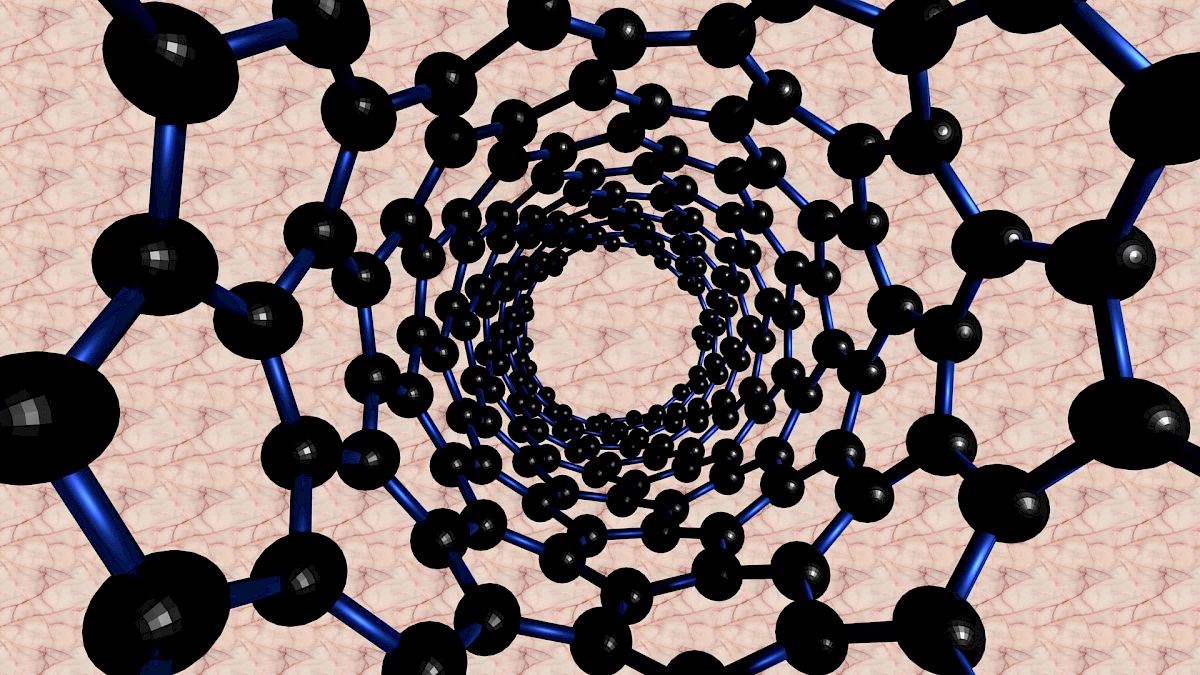 Carbon/Nanotubes/Graphs
© https://pixabay.com/photos/carbon-nanotube-bucky-graphene-2842389/
Regional experts:
Dipl.-Biologist Claudia Brüggemann
Institute for Construction and Functional Materials, Münster University of Applied Sciences
- Investigation/methods of/for optical and ceramic materials, sealing materials, plastics, metals, construction materials
Fraunhofer Institute for Molecular Biology and Applied Ecology IME
- Protein-based biomaterials
Fraunhofer Institute for Molecular Biology and Applied Ecology IME
- Renewable raw materials; innovative biopolymers; analysis, modification, production of functional biomolecules
Polyclinic for Prosthetic Dentistry and Biomaterials, UKM Münster
- Temporomandibular joint disorders, unclear maxillofacial disorders, maxillofacial prosthetics, materials science and technology