The first place to start adapting to climate change is your own garden and house. A lot can be achieved here even with small measures:
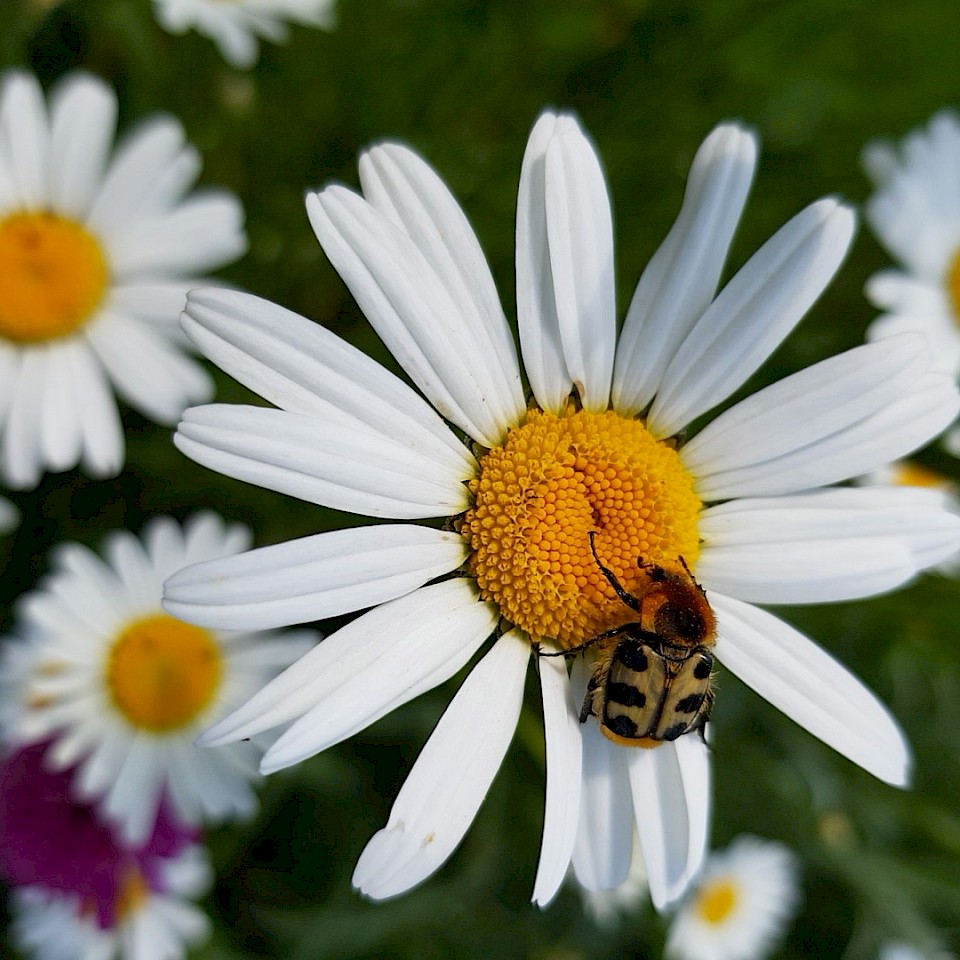
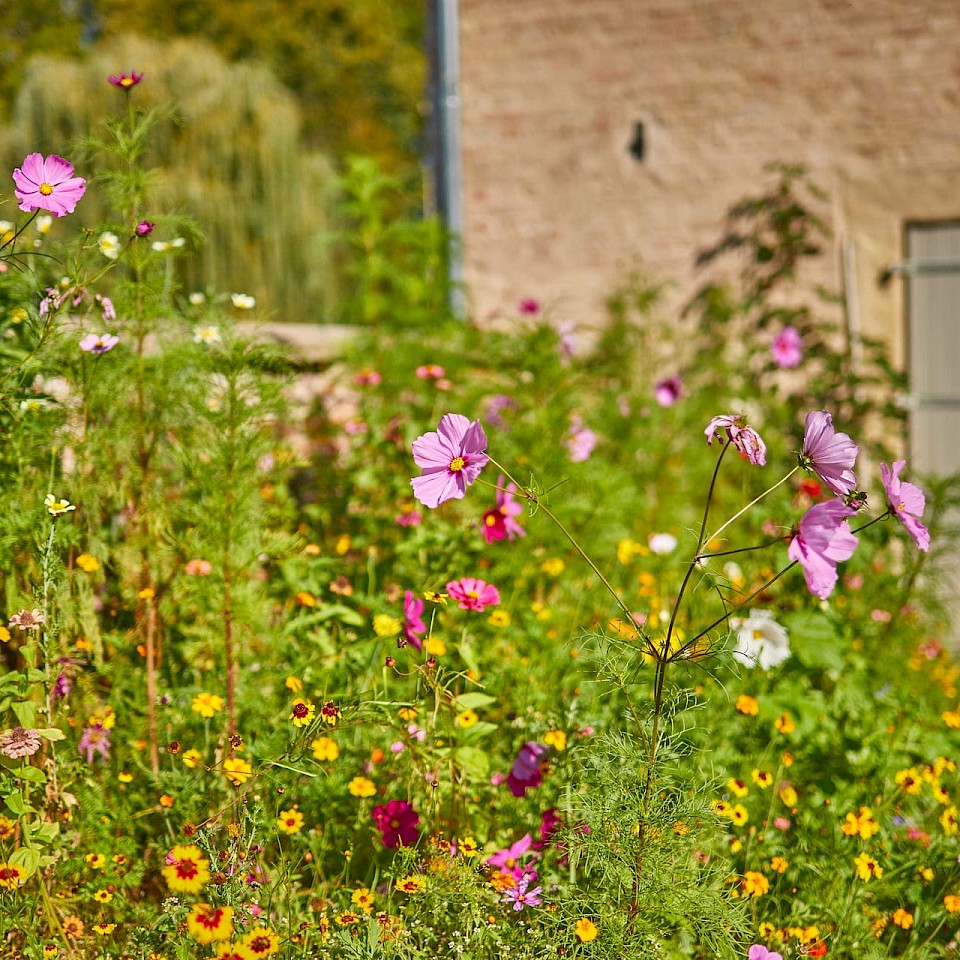
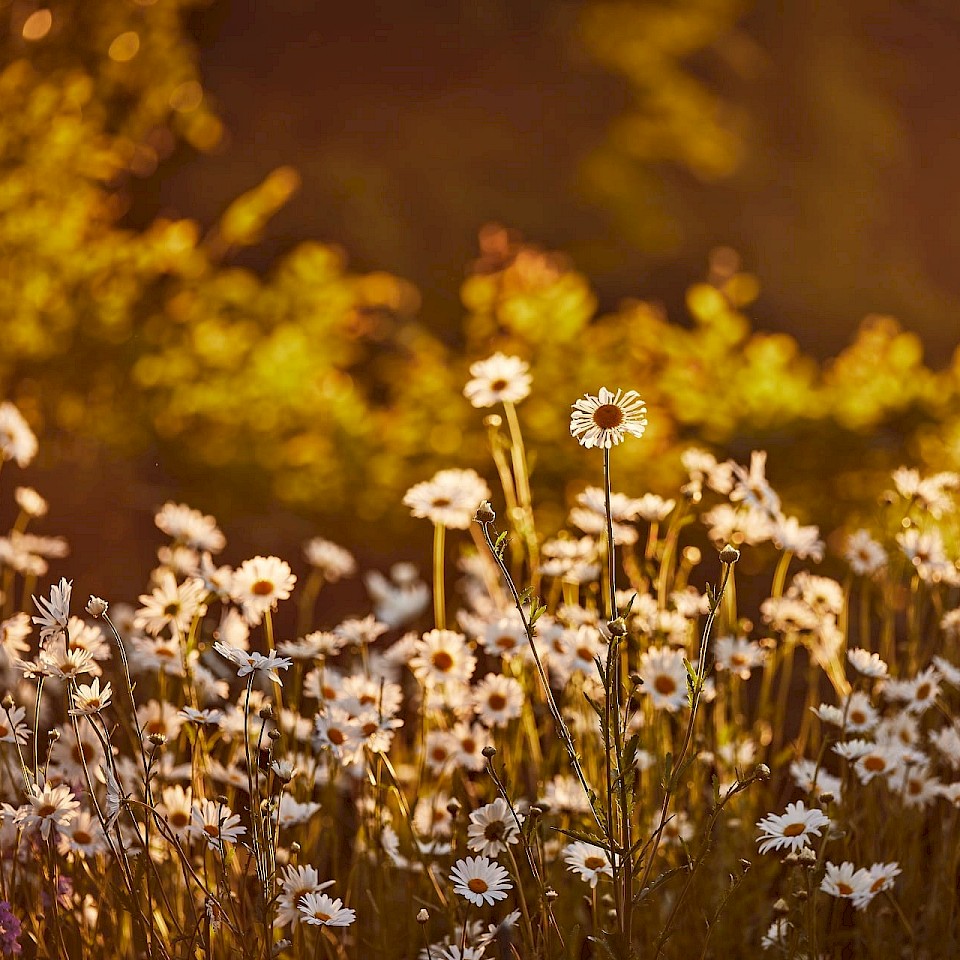
Lots of greenery: greenery and planting generally lead to an improvement in the microclimate. This means that the temperature around the building rises less than with grey or dark, sealed surfaces. In addition, a varied green design with flowers and shrubs promotes biodiversity in the garden - because it provides insects with a necessary habitat that is sometimes in short supply.
Ponds: Ponds are also useful, as evaporation has a cooling effect on the surrounding area and thus on one's own garden.
Shade trees or canopies for individual sections to further improve the quality of stay and reduce heat.
No or few sealed surfaces: A garden that is loosened up and has little sealing offers the possibility of collecting rainwater or allowing it to seep away. Times of heavy rainfall can also be buffered in this way and so-called "wild surface water run-off" can be prevented.
Use rain barrels or cisterns: This way, rainwater can be used to water the plants. This reduces water consumption. In addition, it does not have to be fed into the sewage system, which in turn reduces wastewater charges. In some cases, there are municipal subsidy programmes for this.