NURICOS: Sustainable agriculture with crab shells

The Nuricos logo
© NURICOS biosolutions

What do crab shells have to do with sustainable agriculture? Quite a lot - at least according to the founding team at NURICOS. The young start-up from Münster is currently in the founding phase and wants to make agriculture more robust, ecologically compatible and therefore more sustainable with sustainable plant strengthening agents. The basis for this: decades of research at the University of Münster and a team that transforms science into market-relevant innovation.

  • Biotechnology
  • 3 employees
  • Minster
To activate this YouTube video, you must agree to the marketing cookies.
1
BIOTECHNOLOGY MEETS AGRICULTURE

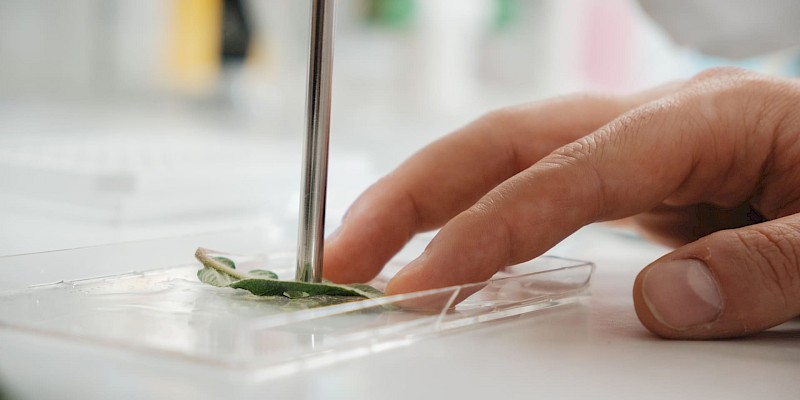
Anne, Philipp and Caro have been researching chitosan-based plant-strengthening biostimulants for over ten years. Chitosan is a natural substance (polymer) that is found in crab shells, insect carapaces and fungal cell walls, among other things - in other words, waste products. The highlight: this waste can not only be utilised in a resource-saving way, but also works in the field. It becomes a product that strengthens plants - against drought, disease and heat stress.

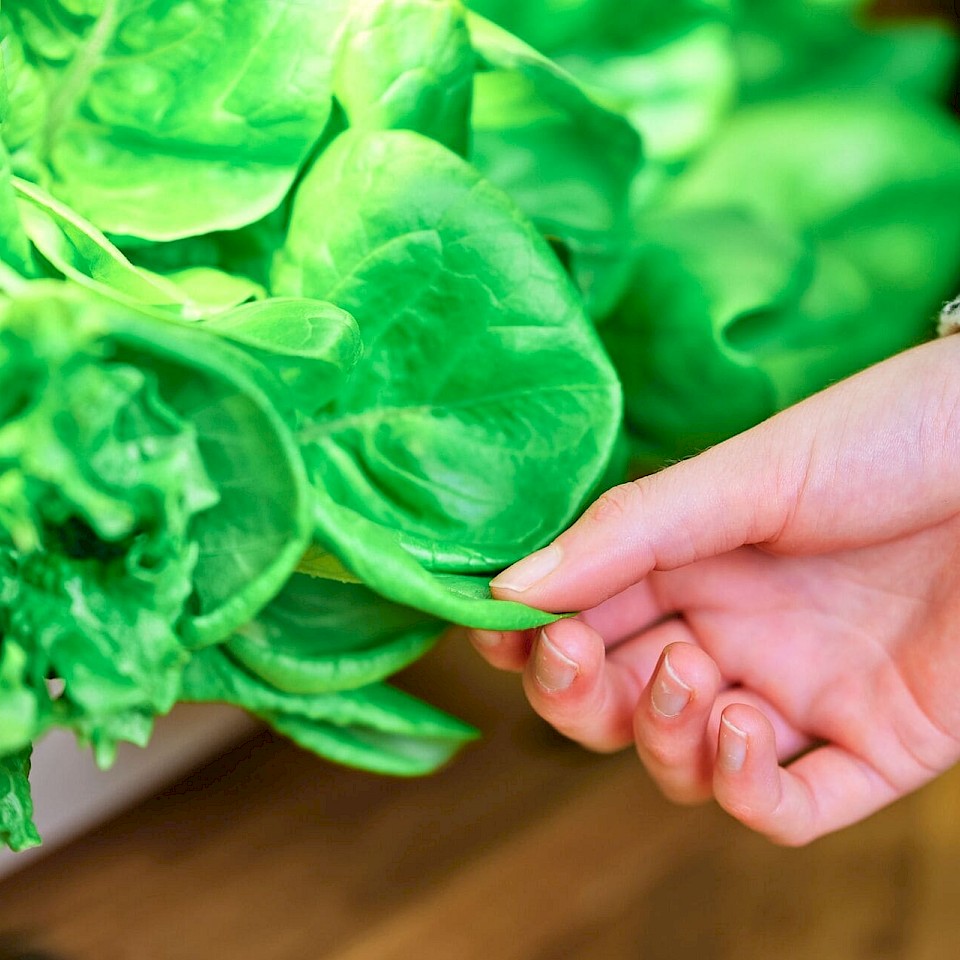
"You can think of our product like a vaccination," explains co-founder Philipp. "The plant becomes more resilient, forms deeper roots and can photosynthesise more efficiently - a huge advantage, especially in times of climate change."

Co-founder Caro adds: "It's important to us that our research doesn't end in the lab. We want to show that sustainable biotechnology can make a concrete contribution to solving pressing environmental problems - and that science and agriculture can shape the future together."

2
BETWEEN LABORATORY, MARKET AND COURAGE

What has so far only been proven under laboratory conditions will now also benefit farmers. "The big advantage is that our plant strengthening agent works with just 200 grams per hectare - compared to around 30 kilograms required for conventional products," says founder Anne. This results in a double benefit: farmers can work more economically, while the environment benefits from less pollution. It is precisely this combination of efficiency and sustainability that makes the idea so forward-looking.

Anne sums it up: "We have realised that we have developed something really useful. And now we want it to work outside."

3
GOOD "FOUNDING GROUND" IN MÜNSTERLAND

The idea for the foundation did not come about overnight. Rather, it was the desire to no longer keep the research results confined to academia.

The Münsterland region offers ideal conditions for their start-up: short distances to agriculture, strong regional networks and support from the REACH Euregio Start-up Centre. NURICOS has not yet been officially founded and is in the midst of the transformation from research project to market-ready product. The start-up is currently being funded by the state of NRW and the EU via the Start-up.Transfer.NRW programme and the team is working flat out on the next steps.

4
FOUNDATION IS NOT A SPRINT, BUT A PROCESS

The transition to the start-up world opened up new perspectives - but also brought new challenges. The biggest of these? "No longer just thinking in scientific categories, but in entrepreneurial ones," says Anne.

There were also other lessons learnt: "Talk to your target group. What works great in the lab is not automatically marketable," emphasises Anne. The dialogue with farmers was crucial for the team right from the start, as was trust in each other. Because without a shared vision and reliable teamwork, says Philipp, "you can hardly get through the highs and lows of a start-up." The frustration tolerance from research also helps: Not everything works on the first try, and sticking with it is a must. It is now also clear to her that founding a company is not a sprint, but a process that requires courage, patience and real practical relevance.

5
FUTURE PROSPECTS

The market for organic stimulants is still in its infancy - but the potential is huge. More and more fertilisers and pesticides are being banned and farmers are under pressure. NURICOS offers a useful addition here and is ready to take off with a clear goal: To develop sustainable, reproducible plant fortifiers that help agriculture stay fit despite climate change. An innovation from Münster with an impact far beyond the region.

Be inspired by more green start-up stories

Photo shoot at Urbanhive
© Münsterland e.V. / Philipp Fölting

Further topics