Environ: Innovation for the energy transition

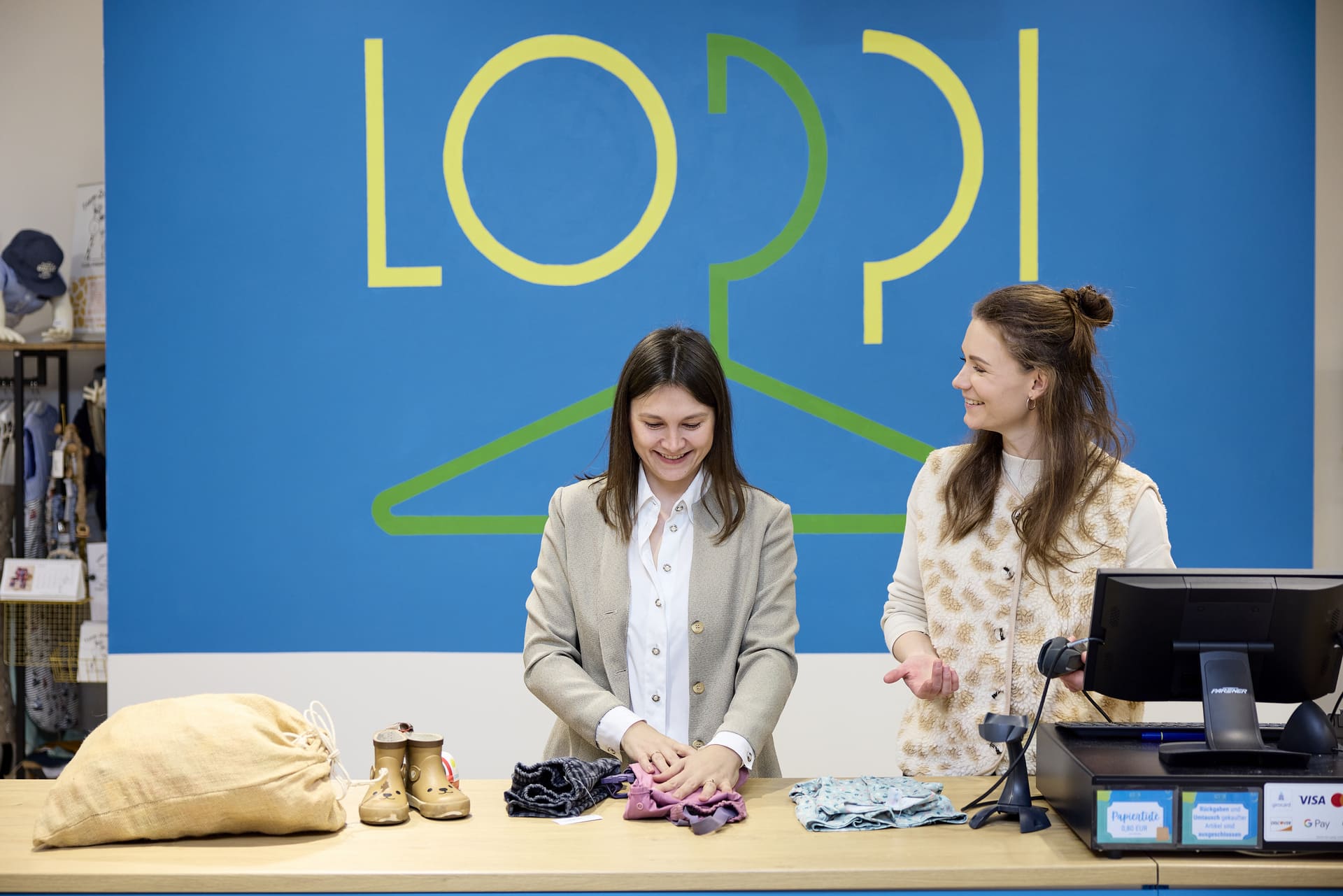
Das Logo von Loppi
© Loppi UG

Environ Energy GmbH, a company that rethinks sustainable energy solutions, was born out of a passion for photovoltaics. With the innovative Envi IQ software, the team links photovoltaic systems, heat pumps and battery storage systems, turning private households into small municipal utilities. Supported by a strong network and regional funding, Environ is driving forward the energy transition - from the Münsterland region for a sustainable future.

  • Fashion
  • 4 employees
  • Rheine
1
TWO SISTERS, TWO MOTHERS, ONE IDEA

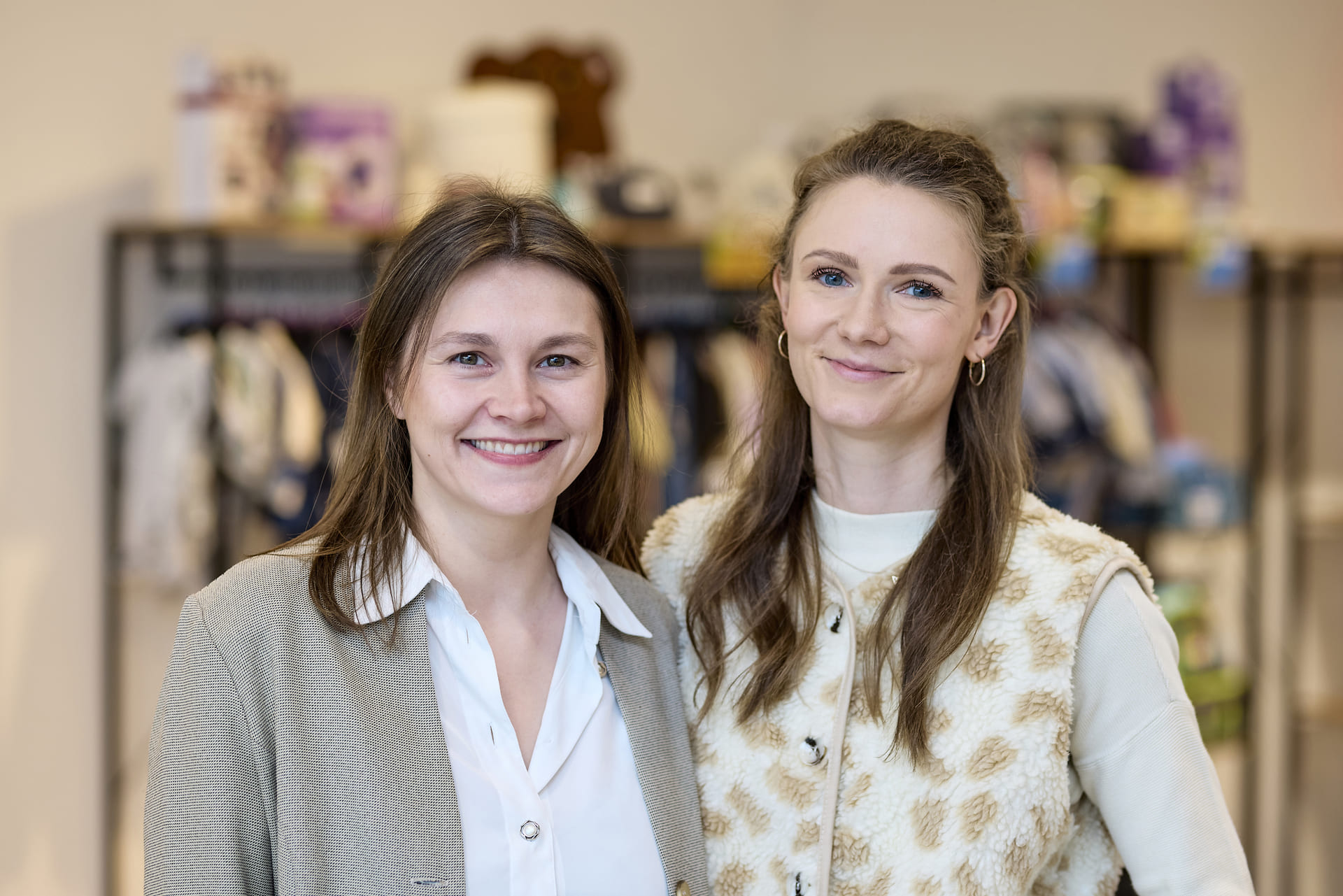
Elena and Ricarda Weber are not only sisters and mums, but also founders. This is exactly where their business idea came from: a permanent indoor children's flea market that makes buying and selling used children's clothes as easy as possible. "Children grow out of their clothes so quickly - you constantly need new things, while the old ones are often still in top condition," says Ricarda. Until now, there was no real alternative to tedious online sales or seasonal flea markets in Rheine.

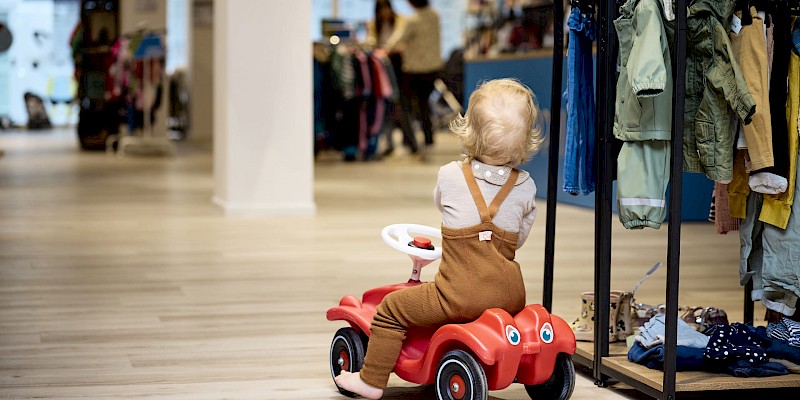
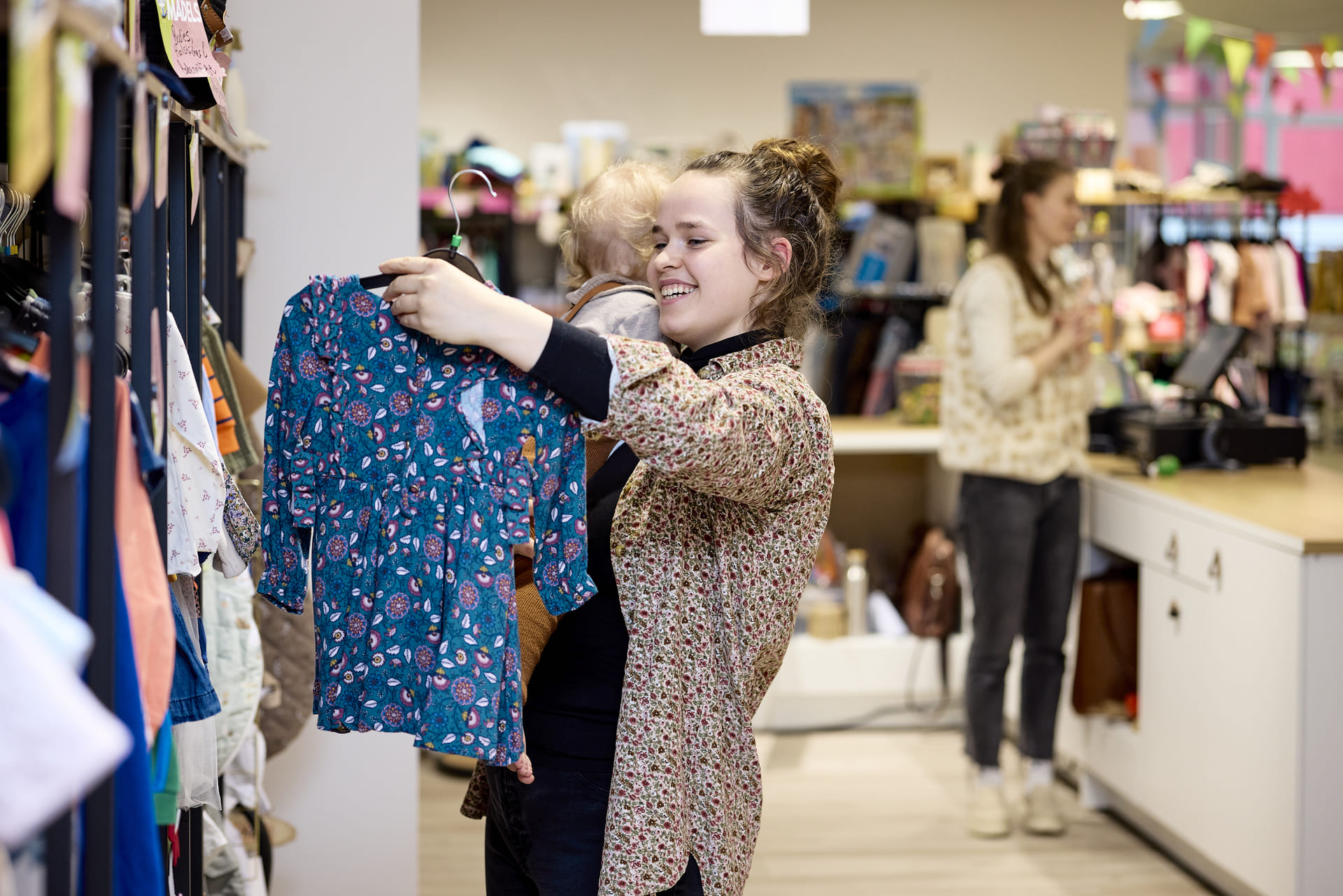
The pair changed that when they founded LOPPI. They offer over 120 rentable shelves on an area of almost 500 square metres in the EMS Forum. Buyers can browse at their leisure all year round, from premature baby clothes and prams to toys and furniture. Anyone wishing to sell can simply rent a shelf, set a price and bring their items by. The LOPPI team takes care of the entire sales process - uncomplicated and stress-free. LOPPI charges a stand rental fee and a sales commission for the service.

2
SCANDINAVIAN INSPIRATION - A CONCEPT. THAT CONVINCES

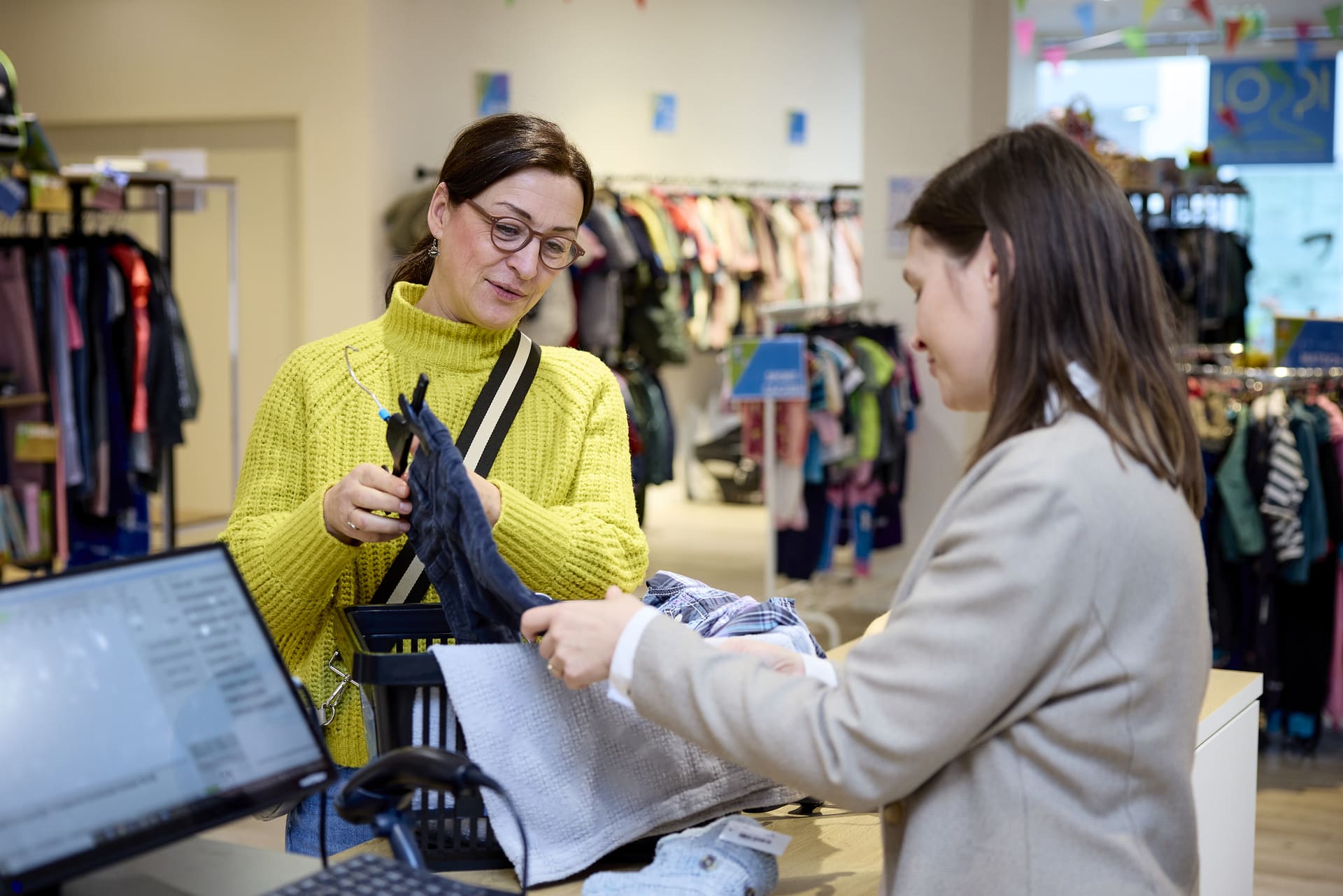
"I lived in Denmark for three years and learnt about the concept there," says Ricarda. These flea supermarkets have been around in Scandinavia for a long time - huge indoor flea markets where you can rent retail space. "The name LOPPI comes from the Scandinavian term for flea market - short, memorable and so simple that even children can pronounce it," explains Elena. Another Scandinavian element: the sophisticated digital process. "Our stall tenants can book a shelf, set prices and register their items online. We print out professional labels in the shop and, thanks to barcode scanners, sales are directly visible in the customer account."

3
CONCURRENCE? THERE IS HARDLY ANY!

Before opening LOPPI, Elena and Ricarda had analysed the market in detail - and realised that there was nothing comparable in Rheine and the surrounding area. Of course, there are social department stores and children's clothing fairs, but the concept of a year-round, Scandinavian-inspired children's flea market was new to the region. Germany's largest children's flea market is held once a year in Rheine, but this is only of limited help to parents who regularly look for second-hand clothes in good condition. The online second-hand market is also an alternative, but has many disadvantages: negotiating with sellers, waiting for answers, cumbersome shipping and possible returns.

LOPPI removes all of these hurdles and creates a stress-free solution for families. There are already several similar concepts in Germany, particularly in the north. "A large franchise company in Hamburg and Berlin is pursuing a similar idea. But we wanted to set up something of our own and not become a franchisee," explains Elena.

4
FROM THE IDEA TO THE OPENING - THE PATH TO SELF-EMPLOYMENT

The sisters had never planned that they would one day be entrepreneurs. "We don't come from a family of entrepreneurs. Self-employment wasn't an obvious path for us," says Elena. But when Ricarda was once again looking for second-hand clothes in good condition during her parental leave, she remembered the children's flea markets in Denmark - and wrote to her sister: "That's what's missing here!" It quickly became clear that this idea had to be realised. But where do you start?

The first port of call was the start-up advice provided by the REACH start-up centre in Münster. They not only received initial guidance there, but also the crucial tip to apply for the Gründerstipendium.NRW start-up grant. The funding put them in touch with the Wirtschaftssenioren Osnabrück, who provided them with valuable expertise - from financial planning to employee management.

The business promotion and development company from Steinfurt (WESt mbH) also provided them with intensive support, including with financing and the search for funding opportunities. "The topic of bank loans in particular was a major challenge for us. Thanks to WESt, we knew who we could turn to and what options were available," says Ricarda. The sisters were also made aware of the "Verfügungsfonds Anmietung" development programme by the Entwicklungs- und Wirtschaftsförderungsgesellschaft für Rheine mbH (EWG). This programme covers part of the shop rent for the first two years, which made it much easier for them to become self-employed.

5
CHALLENGES AND LEARNINGS

The biggest challenge for Elena and Ricarda? That others question their move into self-employment - just because they are mothers. "While fathers are less likely to be confronted with such doubts, we are often told that entrepreneurship and motherhood are difficult to reconcile. Yet we see great potential in motherhood: from the deep familiarity with our target group to multitasking, time management and effective working," explains Ricarda. At the same time, they receive great support from strong businesswomen they have met on their start-up journey.

Networking was unusual for the founders at first, but they quickly learnt how crucial it is for success. "It's better to go to one more event - it's always worth it. The exchange with other founders has brought us many valuable contacts and opened doors for us that we might never have discovered otherwise," says Elena. And one of the most important lessons? "We learnt that you can't please everyone and that it's important to always stay true to your line and always stand behind your values," says Ricarda.

6
SUSTAINABILITY AND FUTURE PLANS

LOPPI not only stands for ecological sustainability, but also for economic sustainability. Through their business model , they extend the life cycle of children's clothing, toys and furniture, thereby making an important contribution to the circular economy. They make sure that the various items are affordable for every budget. "We want to make high-quality second-hand fashion accessible to everyone - from affordable basics to special branded pieces," explains Ricarda.

Elena and Ricarda also work with Malteser International and Caritas to donate unsold items to children's homes and other people in need at home and abroad .

And the future? "In the short term, we want to set up the shop so that we no longer have to be there every day. In the long term, we can imagine opening more locations in Germany," says Ricarda.

Her tip for other founders? "Structure is everything! Write to-do lists, network and, above all, don't do everything on your own. You get further as a team. It gets wild - but that's exactly what makes it exciting!" say Elena and Ricarda.

With LOPPI, Elena and Ricarda Weber have closed a gap in the market in Rheine - and at the same time created a place that combines families, sustainability and Scandinavian ease.

Be inspired by more green start-up stories

Photo shoot at Urbanhive
© Münsterland e.V. / Philipp Fölting

Further topics