Solawi Crowdsalat: Rethinking agriculture together

The Solawi Crowdsalat logo
© Solawi Crowdsalat

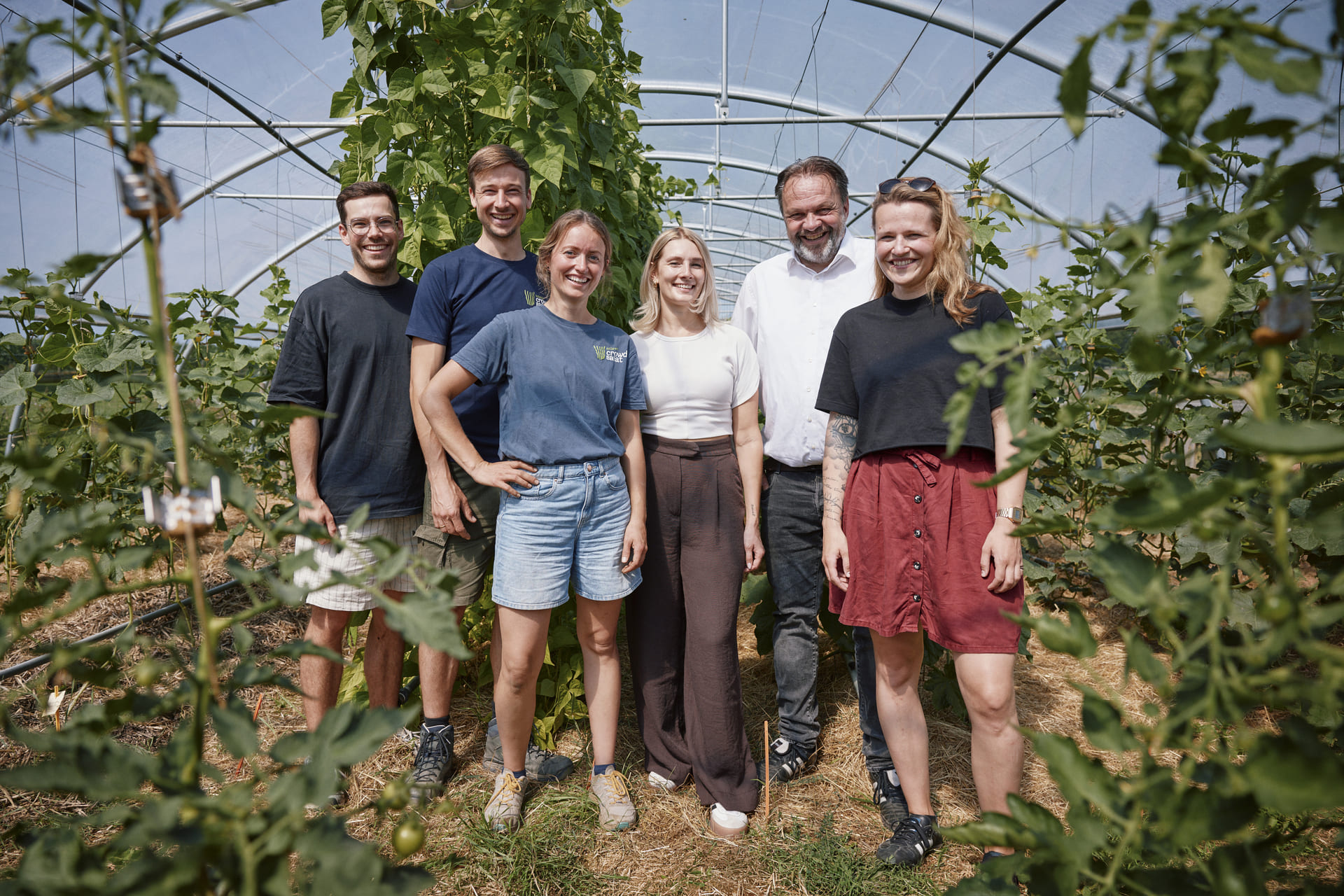
How can we produce food in a fair, regional and sustainable way? This question had been on Sophie Löbbering’s mind ever since she was studying ecotrophology. Together with her husband Sebastian, they turned the idea into reality and founded Solawi Crowdsalat in the Münsterland region in August 2021. Today, the Welterhof is far more than just a vegetable farm – it is a place for community, education and new ideas. Their founding story explains how this vision evolved into a vibrant community project.

  • Sustainable agriculture
  • 85 households
  • Dülmen
1
AN IDEA BECOMES A SOLAWI

Sophie first learnt about the concept of Community-Supported Agriculture (CSA) whilst she was still at university. It quickly became clear to her that this model combines organic farming, sustainable food and community action in a unique way. At the same time, Sebastian brought with him his experience as a civil engineer in the field of ecological and sustainable building. The two were united by a desire not just to think about climate protection in theoretical terms, but to put it into practice.

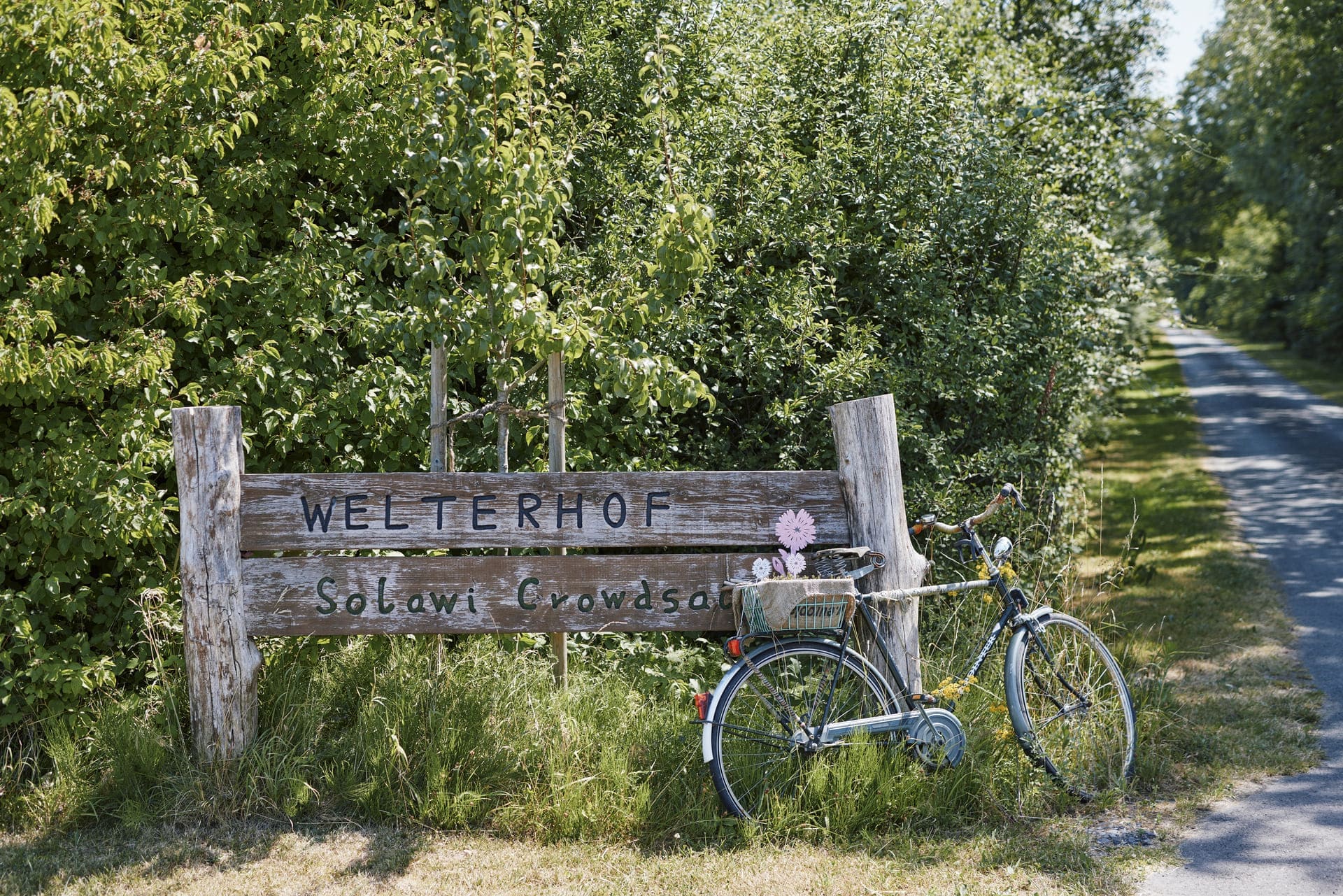
Together with other committed individuals from the climate protection initiatives in Dülmen and Coesfeld, the idea eventually took shape to set up their own Solawi in the Münsterland region. Whilst searching for a suitable location, they found the Welterhof in Dülmen, which is now home to the Solawi Crowdsalat.

2
RETHINKING AGRICULTURE TOGETHER

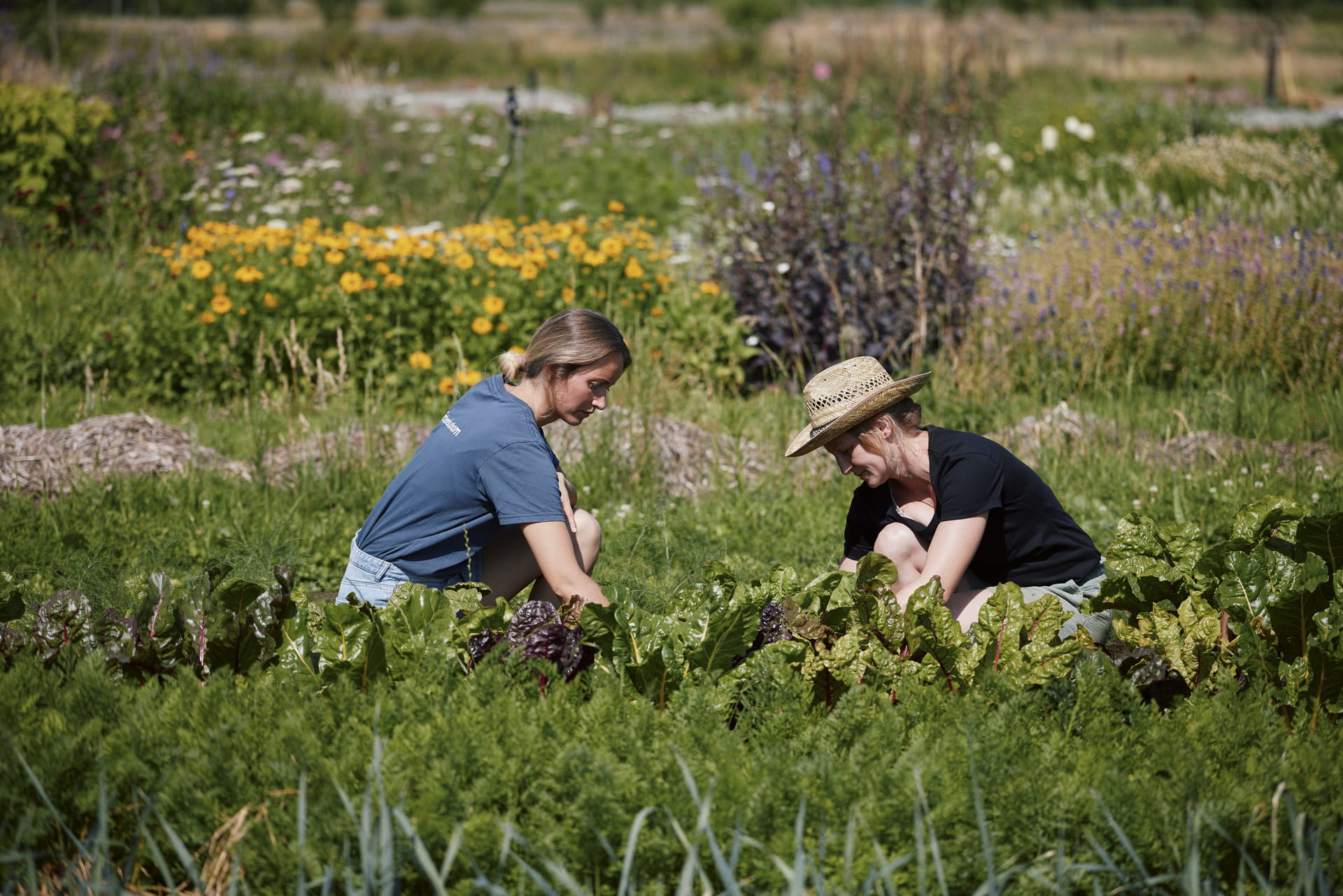
Community-supported agriculture works differently from traditional farming. Members collectively fund the vegetable cultivation for an entire season and then share the harvest. In this way, both the returns and the risks are borne collectively.

For Sebastian, Solawi is therefore far more than just a vegetable farm: “We’re rethinking economics and ecology in agriculture. At the same time, we want to bring people together, provide educational opportunities and play an active role in environmental and nature conservation. That’s important to us.”

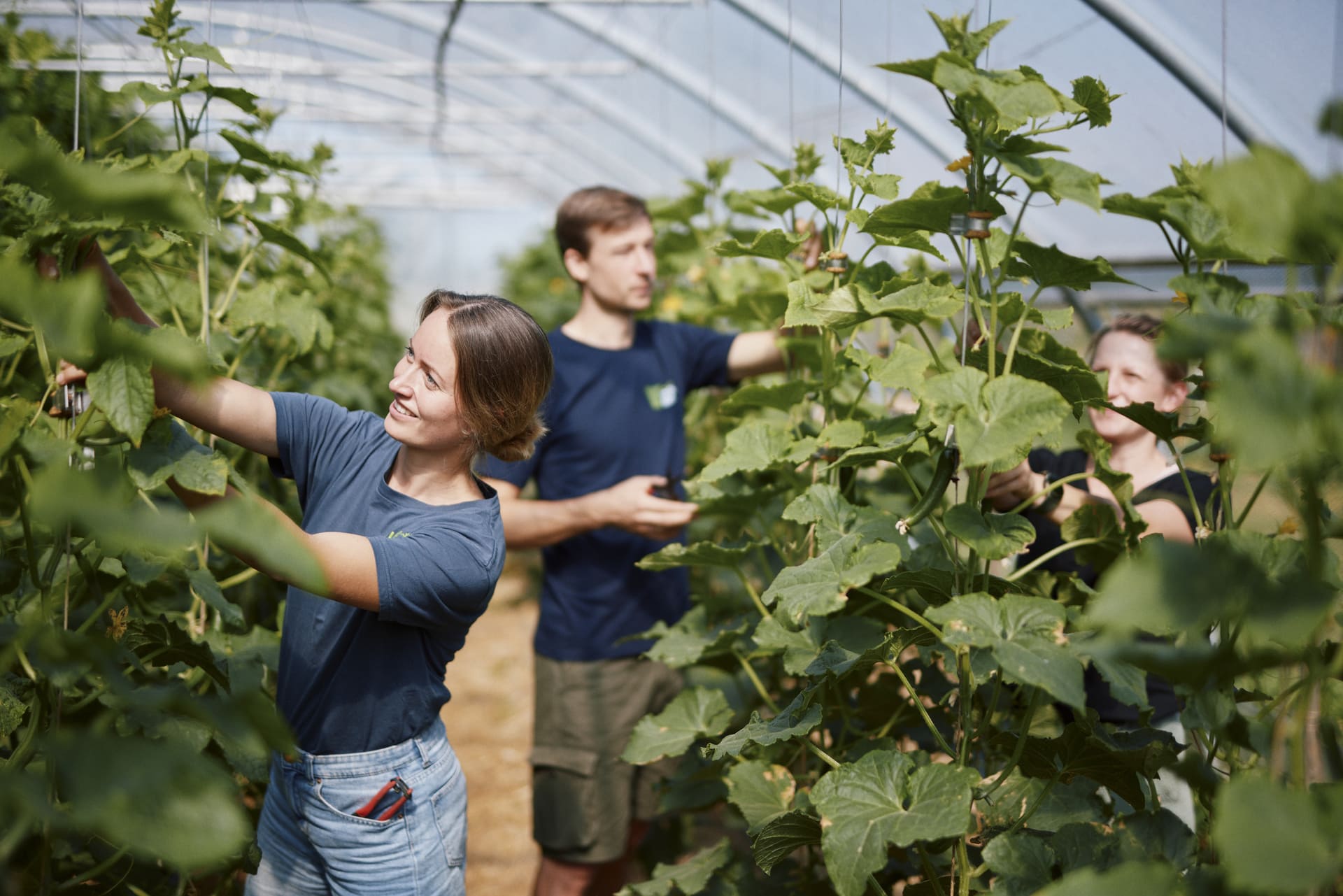
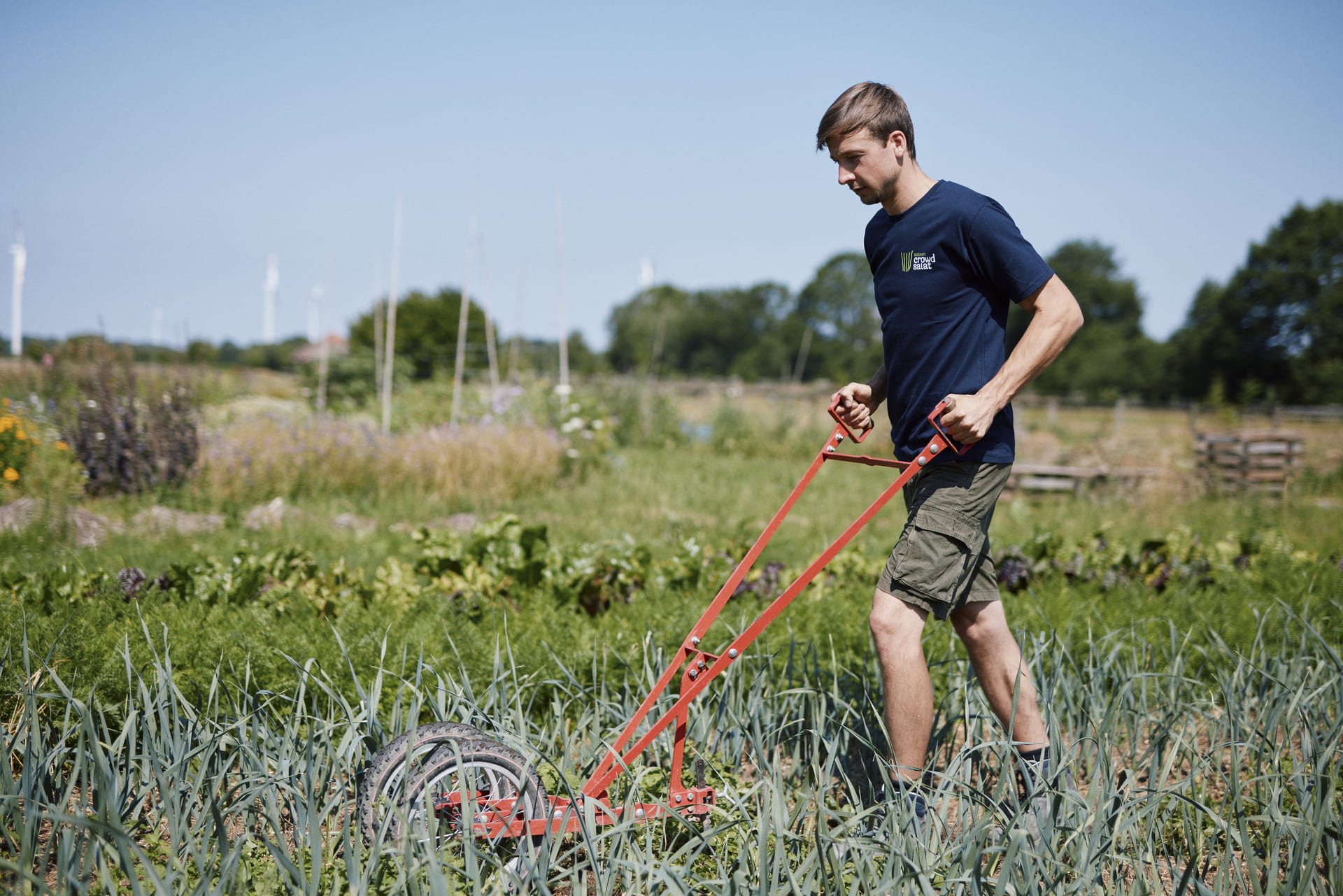
Today, the CSA supplies 85 households with regional organic vegetables. At the same time, around 280 families are involved in the not-for-profit association. Alongside vegetable cultivation , educational programmes, workshops, events and environmental and nature conservation projects form an integral part of the concept. Furthermore, Solawi collaborates with other regional farms – for example, in potato cultivation or egg marketing – thereby creating a network of sustainable agriculture in the Münsterland region.

3
MORE THAN JUST A VEGETABLE FARM

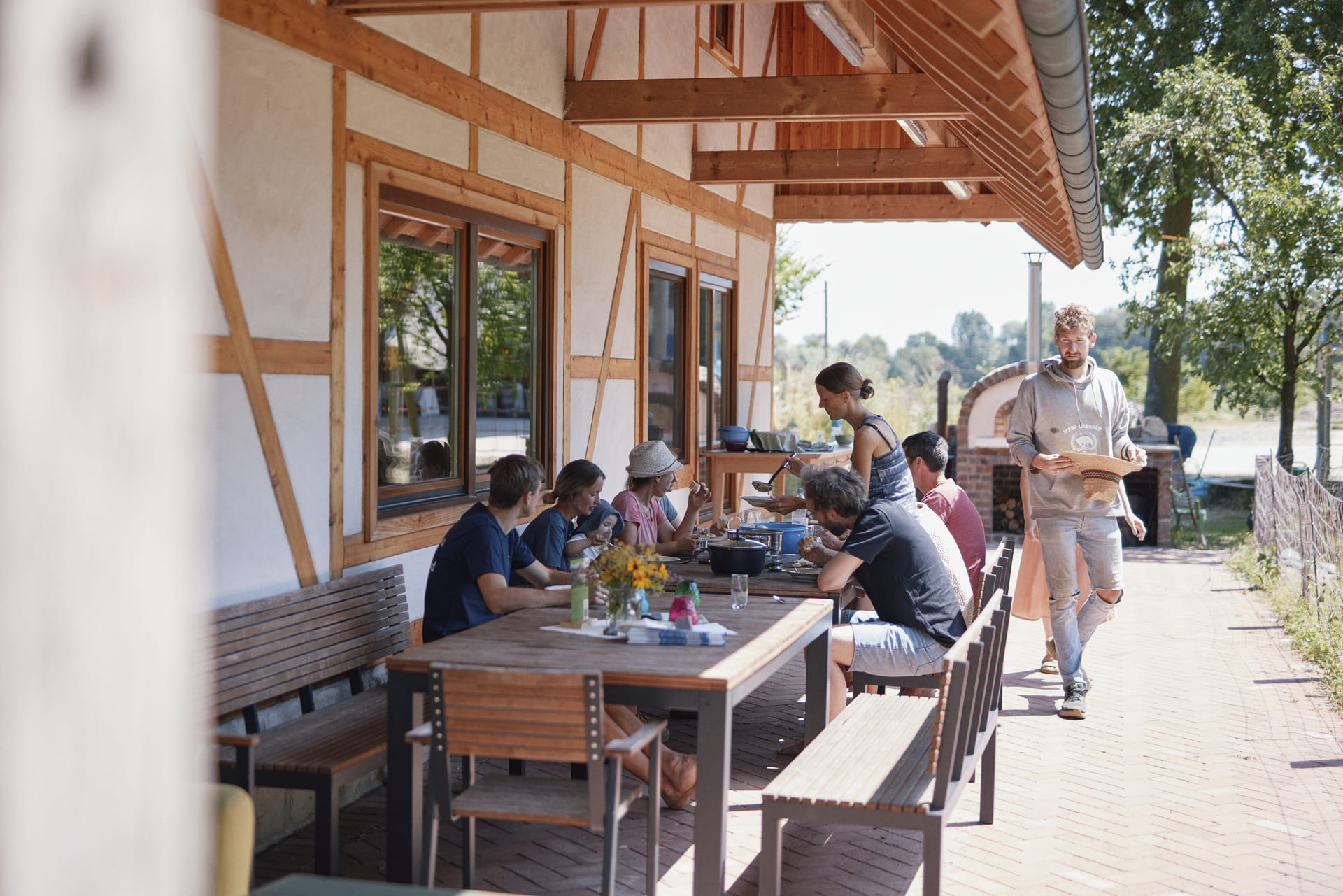
The Welterhof has long since become a meeting place. Every Friday, members get together to collect their vegetables and have a chat. Through workshops on sustainable eating, group hands-on activities and events centred on nature, agriculture and community, sustainability becomes a practical experience and knowledge is shared.
Sophie describes this special moment as follows: “It’s not just a case of popping into the supermarket and popping back out again, but rather ‘I come here to see you’.” It is precisely this sense of togetherness that defines the Crowdsalat community-supported agriculture scheme for many people.
 

4
STARTING A BUSINESS TOGETHER MEANS OVERCOMING CHALLENGES

Setting up a new farming business is anything but straightforward. Finding land, securing funding, recruiting skilled staff and overcoming bureaucratic hurdles – all of these were part of the initial steps. On top of that, the concept of community-supported agriculture was still largely unknown in many places and had to be explained at the outset.

Whilst Sophie and Sebastian were able to draw on their experience in community building, marketing and organisational development, they had to work together with others to develop the skills required for professional vegetable growing. This was precisely where one of their greatest strengths lay: within the co-operative, everyone contributed their own skills – ranging from horticulture and craftsmanship to communication, event organisation and sustainability.

5
SUPPORT FROM THE REGION AND BEYOND

Along the way, Sophie and Sebastian made use of various support schemes. They consulted with the business development agency and regional funding partners such as the Sparkasse, found out about the start-up grant and initially received LEADER funding, which was followed by further programmes. However, they had to actively seek out many of these opportunities themselves, as there were initially few suitable points of contact for their specific concept.

Networking with other community-supported agriculture schemes across Germany was particularly important. Even before setting up their business, Sophie and Sebastian were part of this network and benefited from advice, personal contacts and the experiences of other community-supported agriculture schemes. Rather than competition, they encountered an open culture of sharing, in which knowledge, documents and practical solutions were passed on as a matter of course – an approach they themselves continue to practise to this day.

6
WHAT YOU WOULD ADVISE OTHER FEMALE AND MALE FOUNDERS

Looking back on setting up their business, Sophie and Sebastian therefore offer a piece of advice that has stayed with them to this day: “Network.” They say that open dialogue with others has opened many doors for them and, for example, helped them to adopt start-up documents, draw on others’ experiences and utilise practical solutions for setting up the Solawi, rather than having to develop everything from scratch.

And what if things do get difficult? Then Sophie’s most important lesson applies: “Stay calm – many challenges seem bigger at the start than they actually turn out to be.”

Be inspired by more green start-up stories

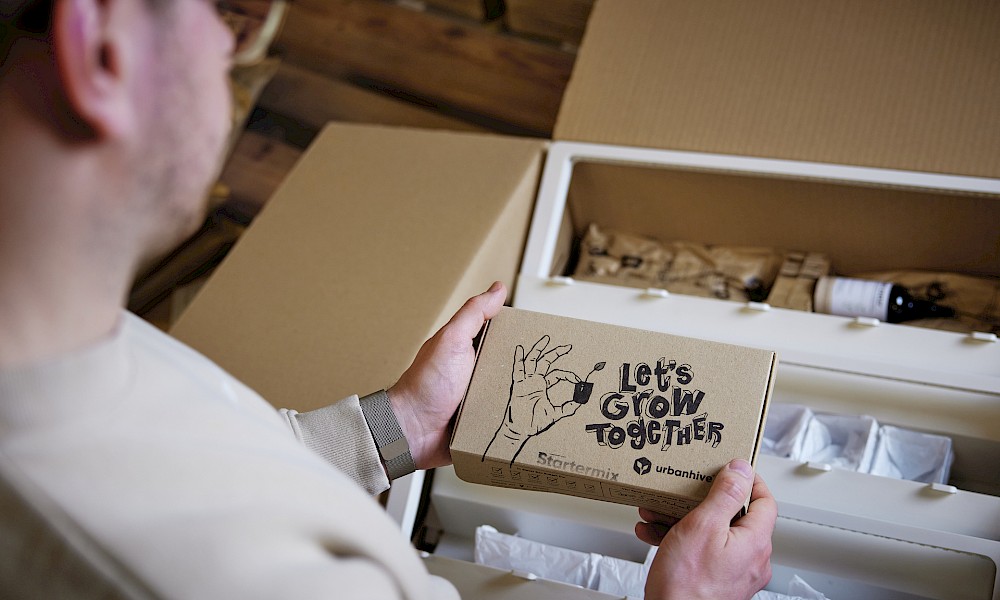
Photo shoot at Urbanhive
© Münsterland e.V. / Philipp Fölting

Further topics