SORIWA: Rethinking drywall construction

The SORIWA logo
© SORIWA GmbH

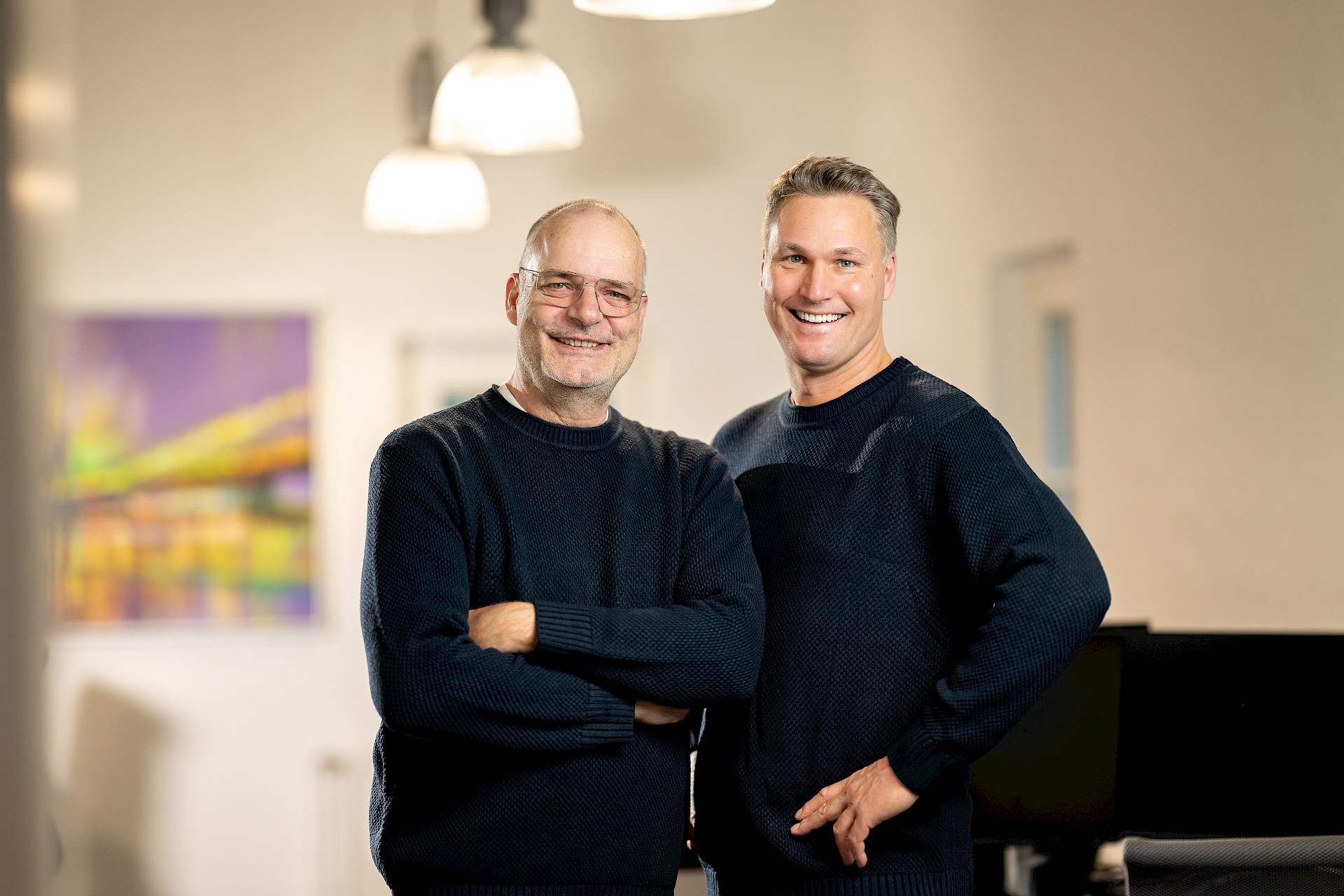
What happens when decades of experience meet the courage to question the status quo? For Andreas Ridder and Michael Sommer, that was precisely what sparked their decision to set up their business together. With SORIWA , the two entrepreneurs from Warendorf are pursuing a clear vision: to make drywall construction more sustainable, whilst demonstrating that environmental innovation and economic viability go hand in hand. Their aim was clear from the outset: “We wanted to rethink drywall construction.”
  • Sustainable drywall construction
  • 9 employees
  • Warendorf
1
THE COURAGE TO CHANGE

Over 30 years’ experience in the timber and building materials sector has taught the founders one thing: tried-and-tested solutions do not have to remain without alternatives forever. Andreas Ridder and Michael Sommer know each other from their shared professional backgrounds and have long shared a desire to turn their own ideas into business ventures. They were quick to spot new materials and innovative approaches on international markets. Nevertheless, steel seemed to be the undisputed standard in drywall construction. “It wasn’t easy for us to accept that people were so keen to stick with familiar materials like steel, as if there were no alternatives, recalls Andreas Ridder

2
FROM PROFILE TO SYSTEM

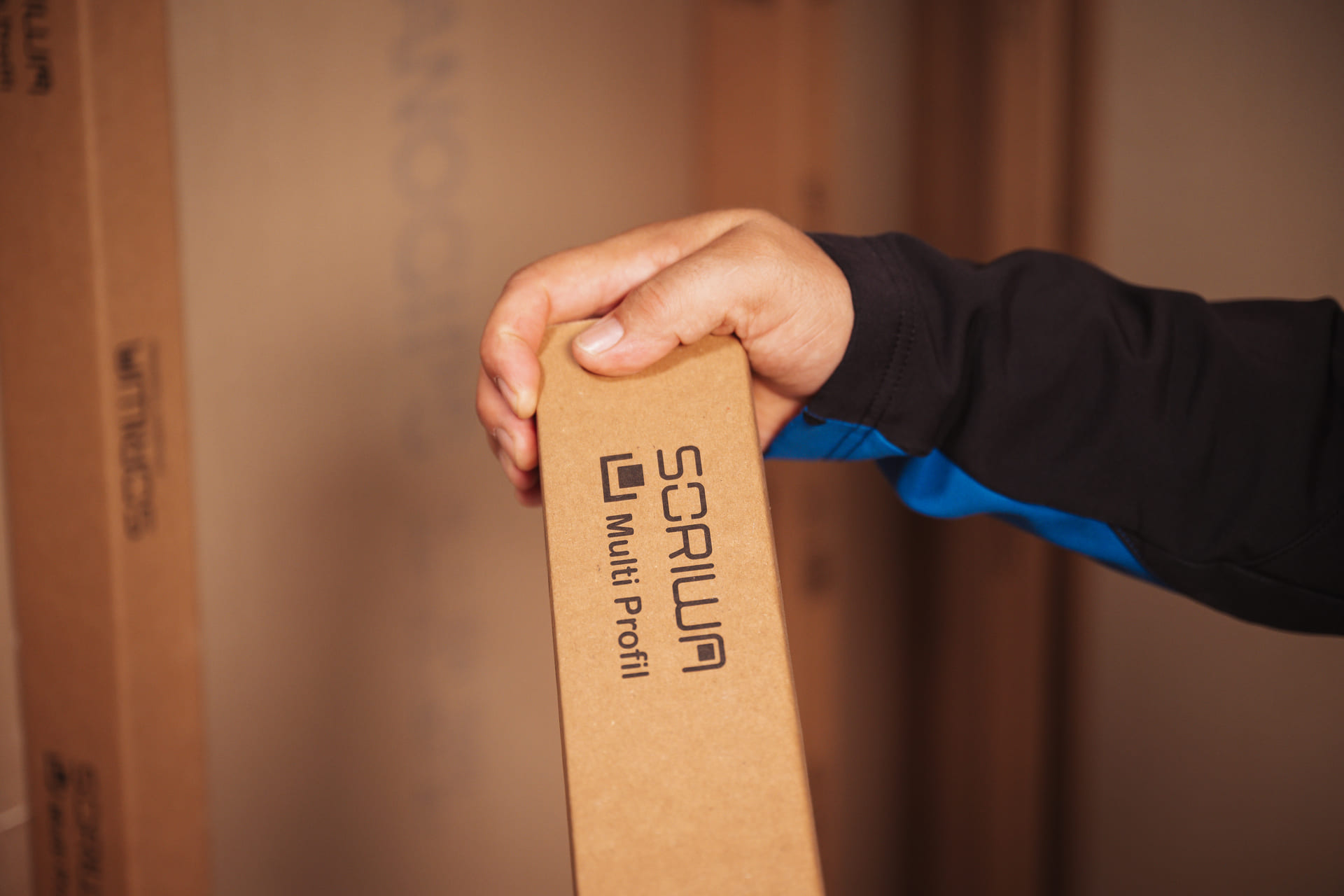
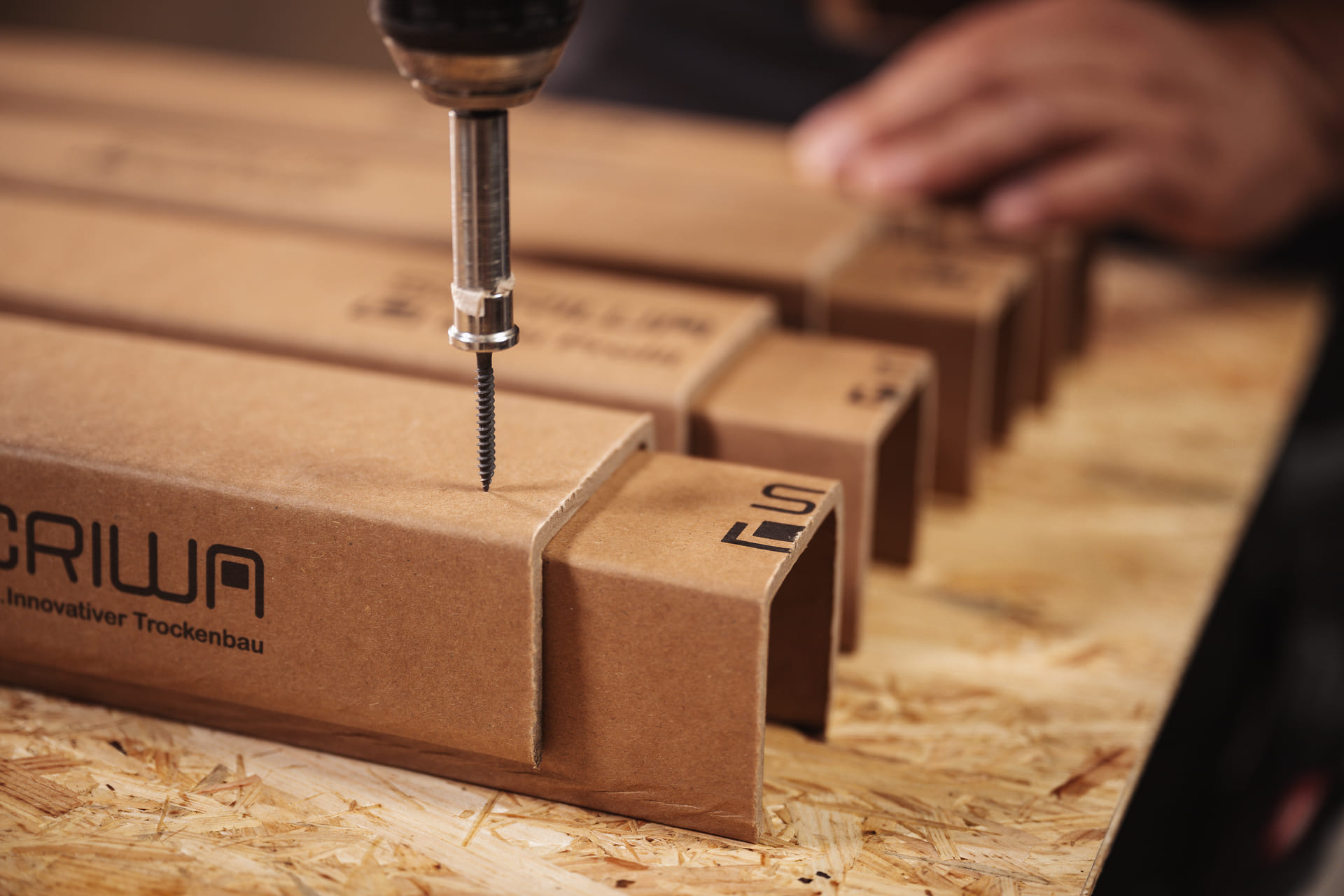
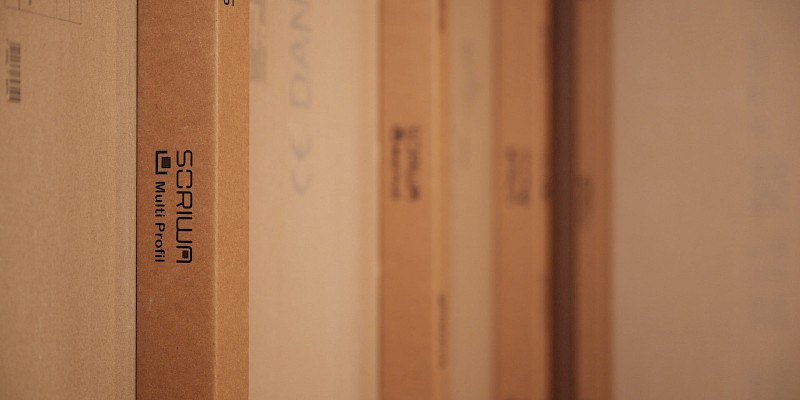
It was this conviction that led to the founding of SORIWA in 2023. Initially, Andreas Ridder and Michael Sommer set out to develop a sustainable alternative to the traditional CW profile – a steel profile used as a vertical stud in plasterboard walls. To this end, they focused on multi-layered fibre profiles made from recycled cellulose. However, even during the development phase, it became clear to them that real progress in drywall construction would only be possible with a holistic approach. “If we really want to create an alternative, we need a complete system, says Andreas Ridder, describing the decisive turning point.

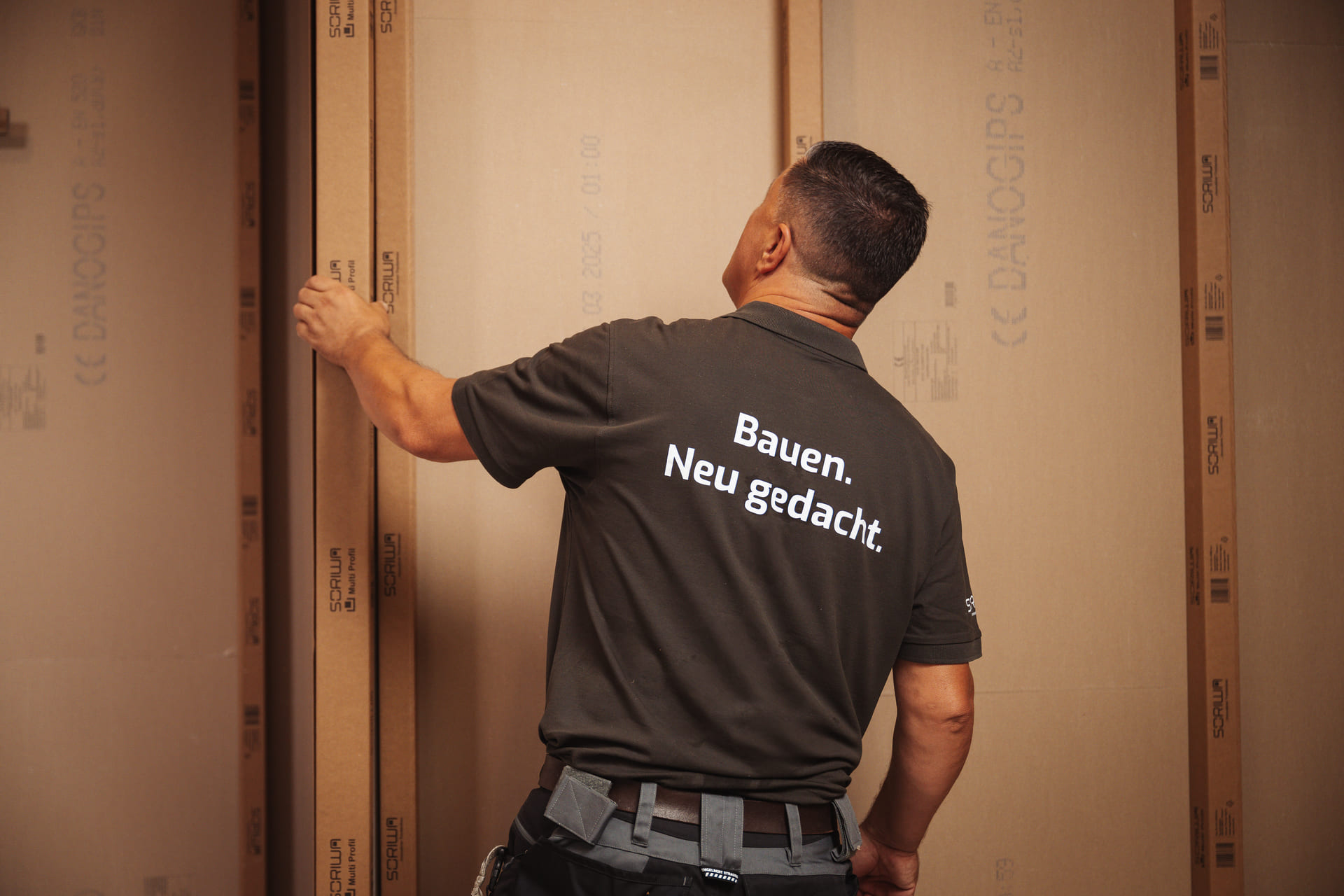
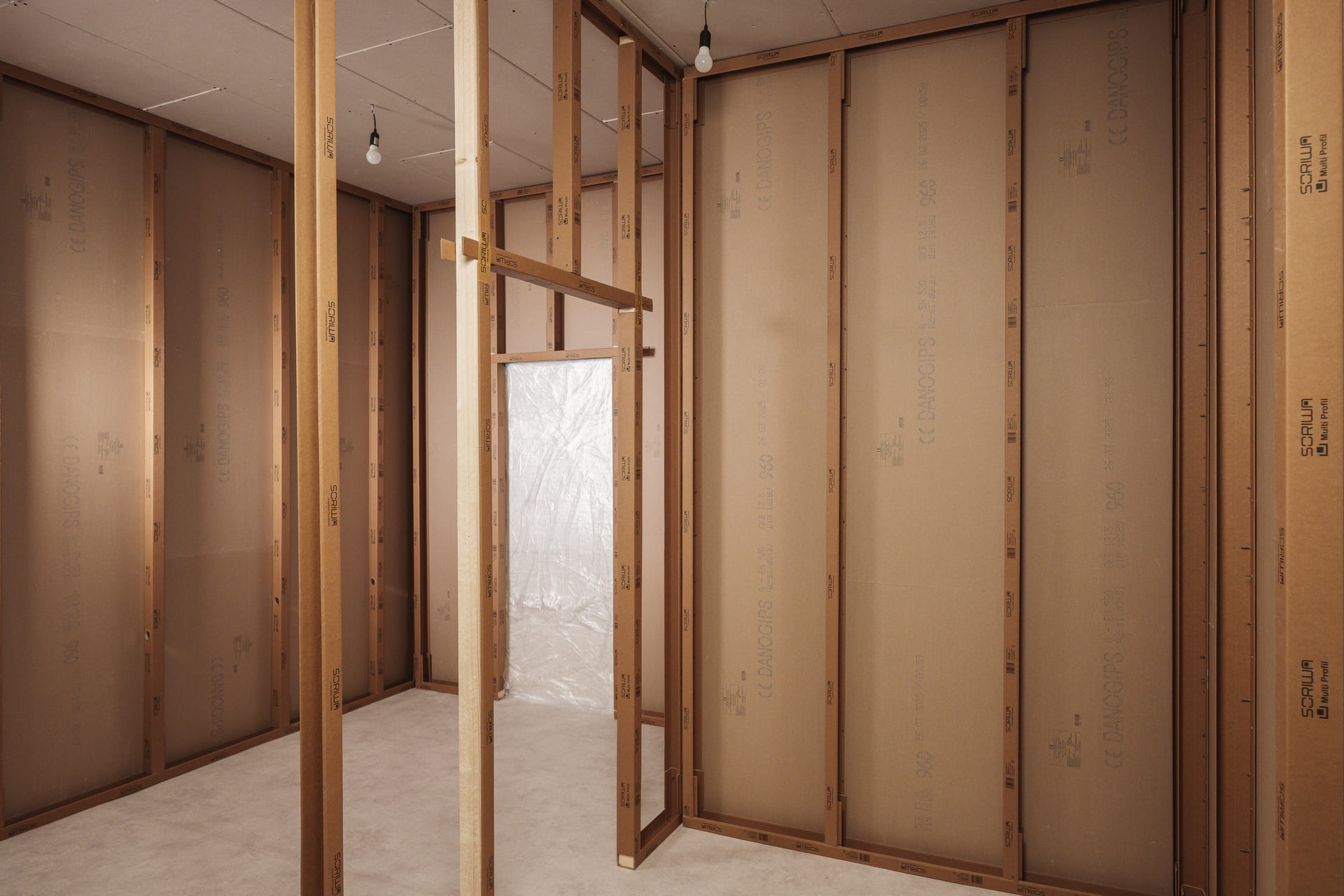
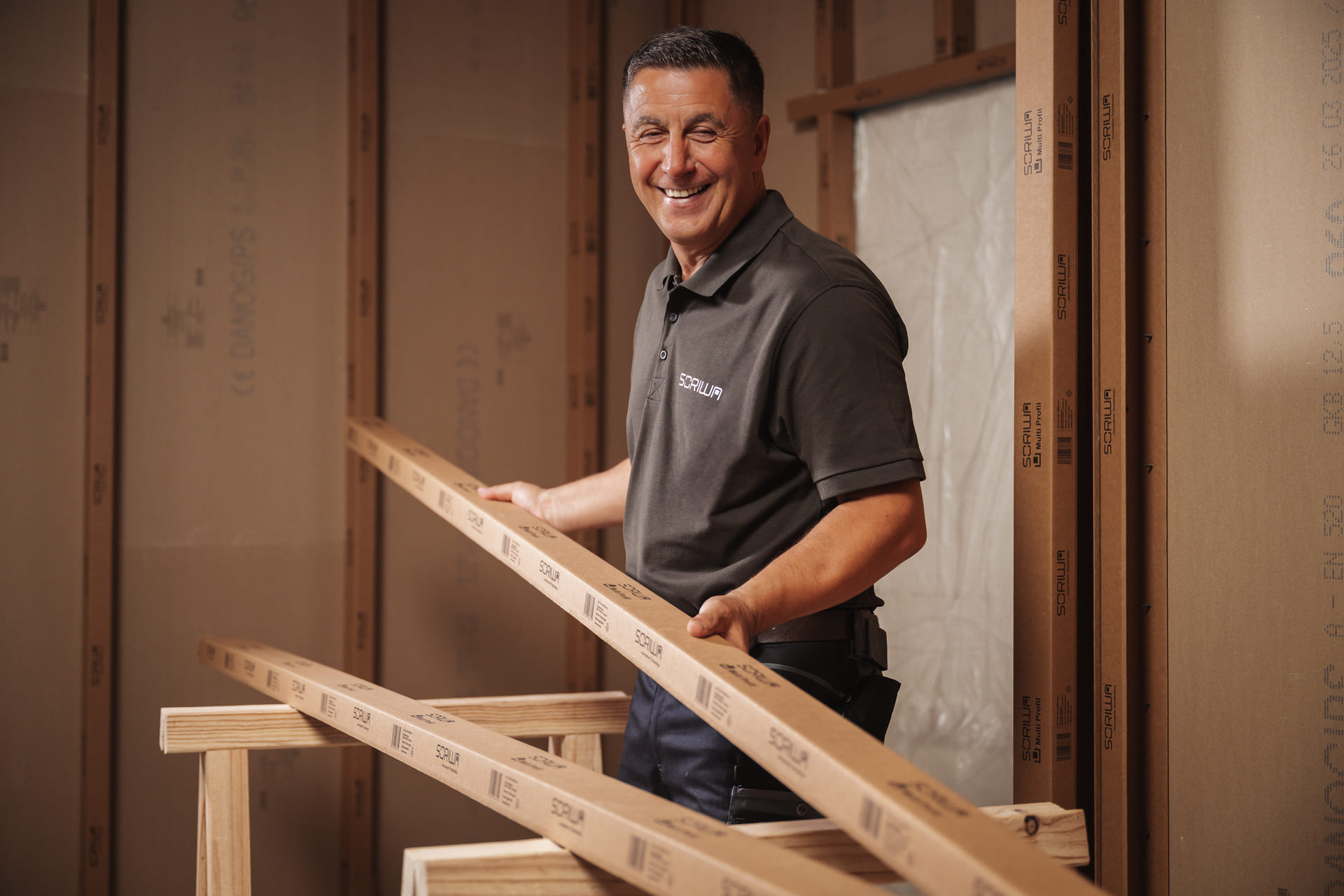
This led to the creation of the SORIWA Multi-System, featuring matching connectors and other system components that, together, enable a completely steel-free stud frame . The result is a resource-efficient drywall system that can be installed using standard tools whilst setting new standards for sustainable construction.

3
FROM AN IDEA TO REALITY

It was a long journey before the vision became a market-ready product. Numerous material tests, close collaboration with universities, testing institutes and industry partners, as well as many development cycles, were necessary to develop a high-performance system that met building regulations.

Throughout this process, the development of the new material repeatedly presented the founding team with challenges. As the fibre profiles introduced a completely new material into the drywall construction sector, fire safety, load-bearing capacity and workability had to be thoroughly tested. It was only after successful testing and the granting of general building approval by the German Institute for Building Technology (DIBt) that the system could be launched on the market.

4
FROM THE LABORATORY TO THE CONSTRUCTION SITE

But it wasn’t just product development that proved a real challenge for the founders. The move from secure employment to self-employment, securing funding for the business and building a team were also among the biggest challenges.

After numerous development cycles, tests and challenges, the moment the founders had been working towards finally arrived. For Michael Sommer, it was the construction of the first complete room using their own system. “Suddenly, the idea had become a reality. We could see, feel and measure that it worked.” At that moment, it became clear that the sustainable alternative to traditional drywall construction was proving its worth not only in the laboratory, but also on the building site.

5
SUSTAINABILITY AS THE NEW STANDARD

For Andreas Ridder and Michael Sommer, innovation does not stop at the profile. Their long-term goal is to develop a fully recyclable ‘green wall’ in which all components – from the profile and insulation right through to the cladding – are made from sustainable materials.

Sustainability should not be a niche product, but should become the new standard. “Sustainability shouldn’t be imposed, but should be a matter of course,” says Andreas Ridder, summing up the company’s philosophy. At the same time, the products should remain economically competitive and integrate seamlessly into the day-to-day work of tradespeople, planners and architects.

6
A GLIMPSE INTO THE FUTURE

With their company based in Warendorf and the Münsterland region as their home base, Andreas Ridder and Michael Sommer aim to demonstrate that sustainable innovation means real progress . In the long term, they want their products to be available wherever sustainable solutions for drywall construction are in demand.

They offer three simple but important pieces of advice to other founders: be brave, don’t wait until you know everything before you start, and always believe in your own idea with complete conviction. As Michael Sommer puts it: “Giving it your all is no guarantee of success – but it’s the only chance you have of achieving it.”

Be inspired by more green start-up stories

Photo shoot at Urbanhive
© Münsterland e.V. / Philipp Fölting

Further topics