Stallgrün: From pigsty to indoor farming

The Stallgrün logo
© Stallgrün UG

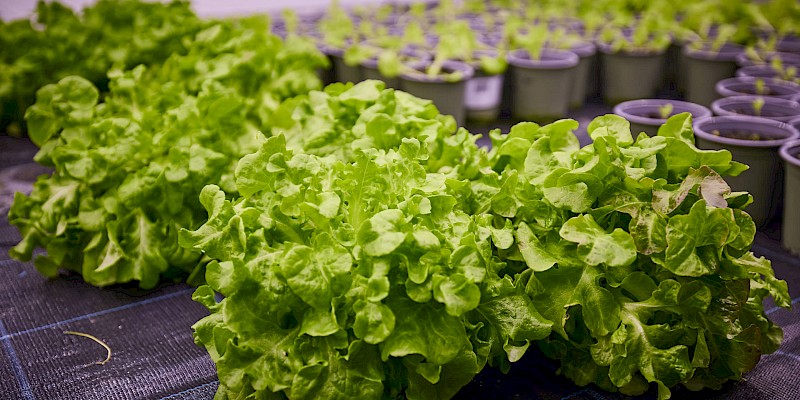
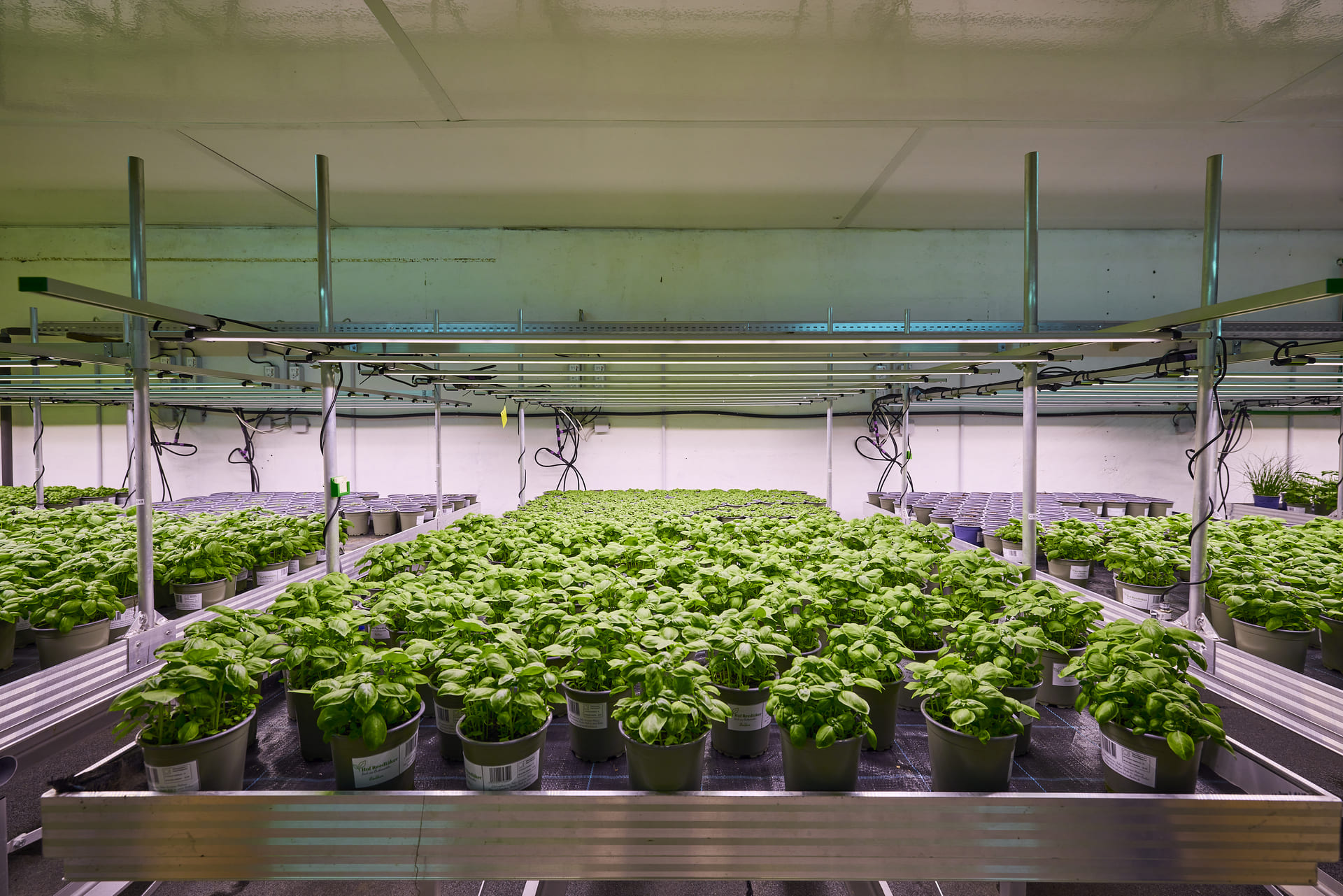
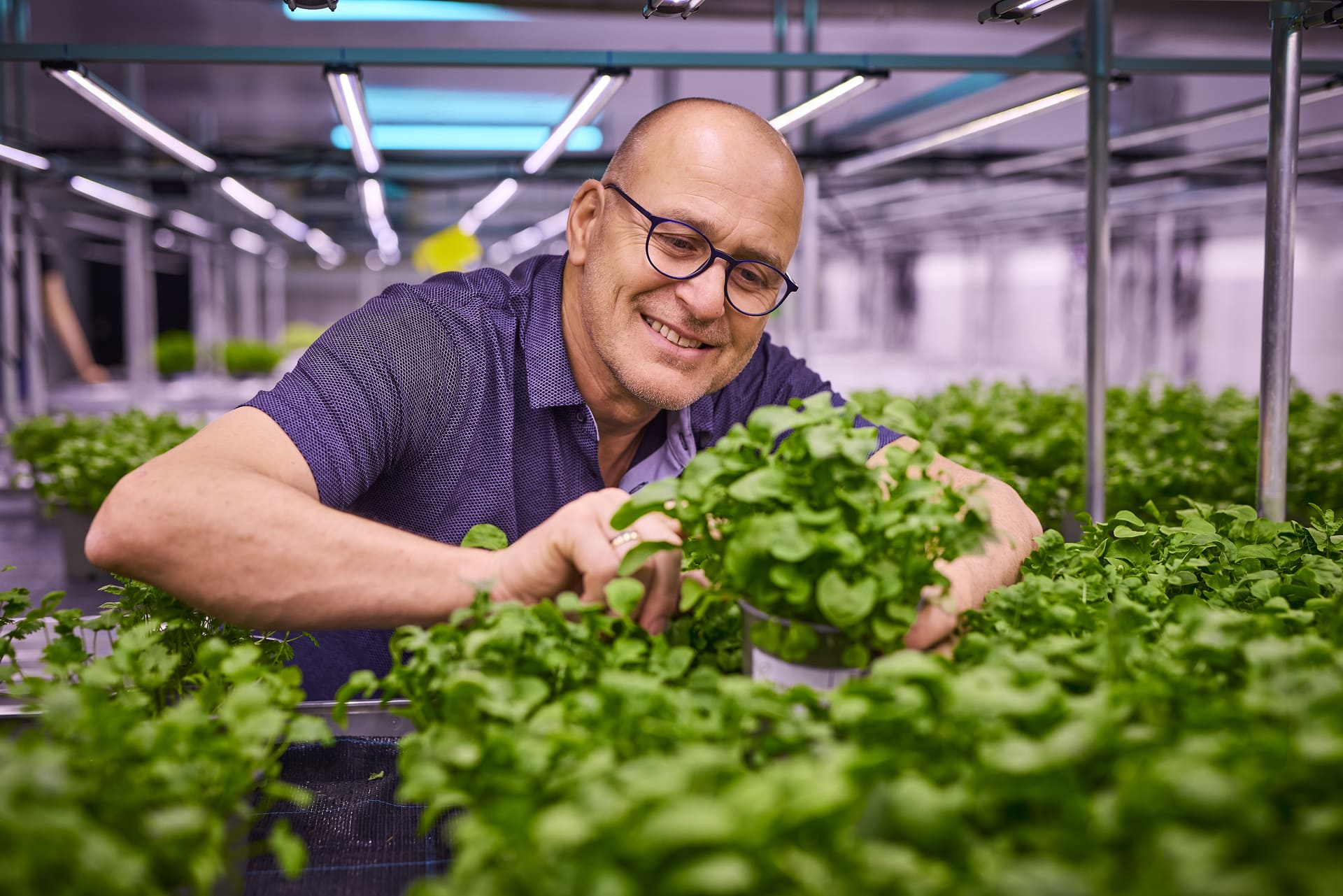
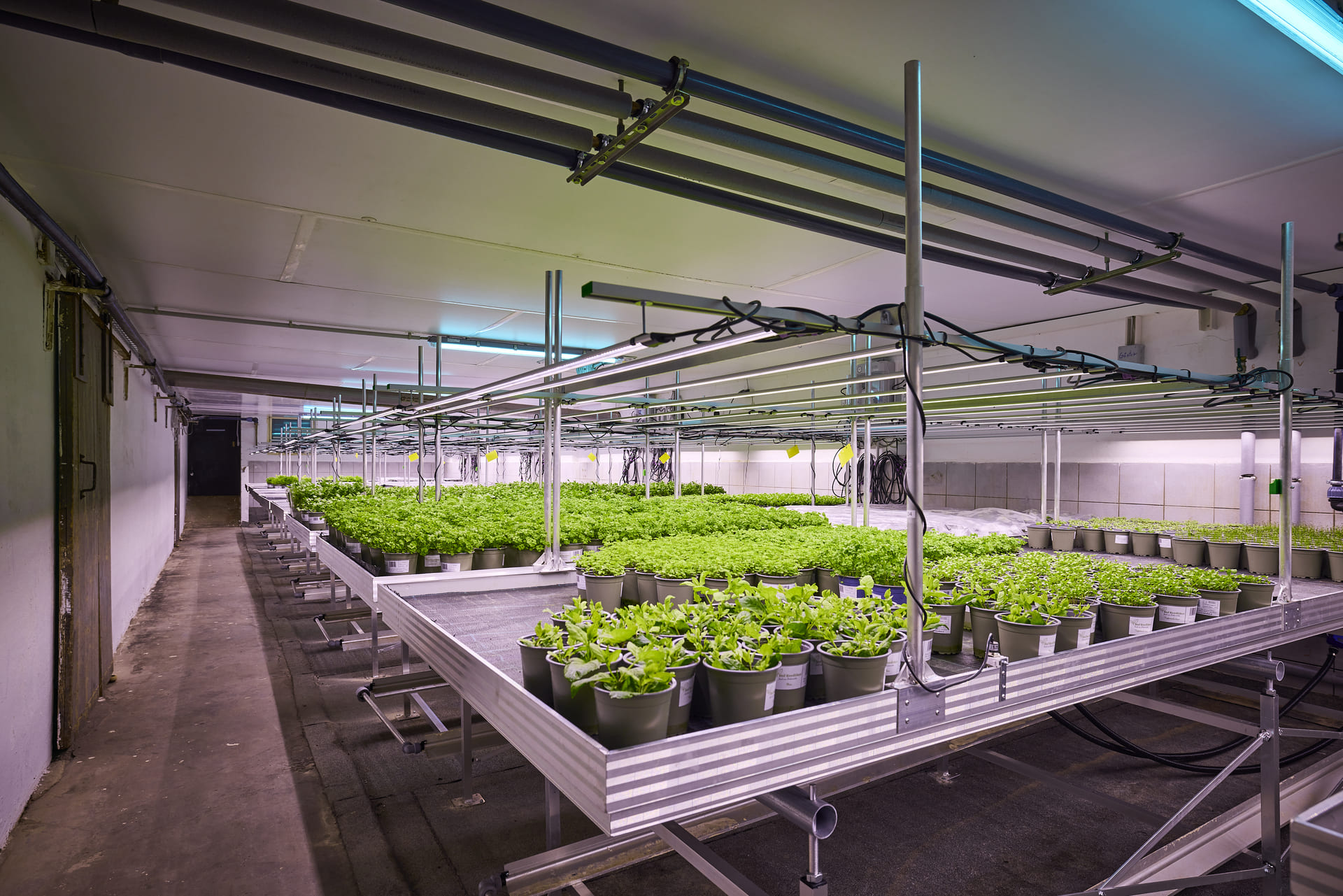
What happens when your own family business suddenly no longer offers any prospects? For Thorsten, it was precisely this question that marked the start of a journey which ultimately ledto the founding of Stallgrün. Together with his co-founder Judith, he developed a solution that breathes new life into disused pigsties. At the Reedläker Farm , herbs and vegetables are now grown – automatically, sustainably and locally. What began as a personal challenge is now set to open up new opportunities for farmers across Germany.

  • Sustainable agriculture
  • 5 employees
  • Münster
1
A PERSONAL CHALLENGE BECOMES A BUSINESS IDEA

Thorsten has been familiar with farming since childhood. He grew up on his family’s pig-fattening farm in Borken, initially completed an apprenticeship as a marketing specialist and then went on to study business informatics in Münster. During his studies, it became increasingly clear to him that pig farming offered hardly any long-term prospects for many farms. “We felt a certain lack of prospects on our farm because pig farming no longer offered us any future prospects,” says Thorsten, describing the situation.

In his search for a solution, setting up a business wasn’t even on his mind at first. Rather, Thorsten wanted to enable his father to continue running the farm. It soon became clear, however, that this problem was by no means an isolated case. Thousands of farmers face the same challenge: what will happen to their empty pigsties?

It was clear to Thorsten that these buildings had to be more than just unused space. The idea arose to transform former pigsties into a new business venture. Together with Judith, he eventually developed this into ‘Stallgrün’ – a system that enables the cultivation of herbs and vegetables in former pigsties, thereby opening up new economic prospects for farmers.

2
FINDING THE RIGHT SOLUTION WITH THE RIGHT CO-FOUNDER

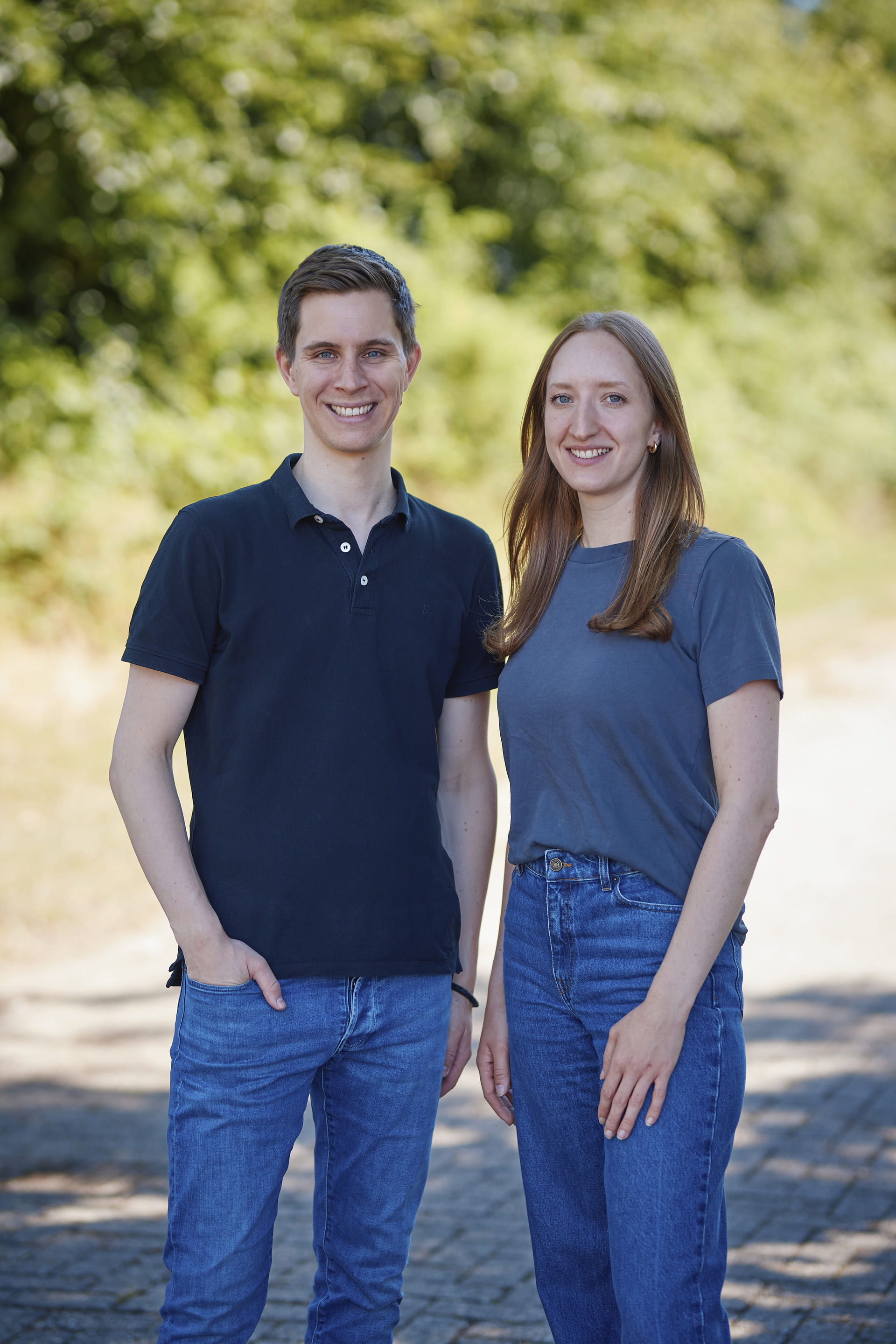
“I can handle the business side myself, but I was looking for someone with a background in biology,” says Thorsten. To cover the technical and biological aspects of the project, he therefore set out specifically to find a co-founder. He found her at the University of Münster through the btS Life Science student initiative (bts), where he met Judith.

Judith holds a Bachelor’s and Master’s degree in Life Sciences, specialising in plant biology and bioinformatics, and had already gained experience at a start-up. Together, they complemented each other perfectly: Thorsten brought the agricultural and business perspective, whilst Judith contributed her biological expertise.

Together, they set out to find a new business model for farmers. For ten months, they spoke to experts, attended trade fairs and analysed a wide variety of approaches. It was only in the course of this research that indoor farming emerged as the solution that works for farmers both economically and practically.

3
FROM A PIGSTY TO AN INDOOR FARMING SYSTEM

To begin with, Thorsten and Judith tested an existing indoor farming facility. However, it soon became apparent that this was not designed to meet the requirements of former pigsties. It could neither be run profitably nor integrated practically into day-to-day farming operations. The pair therefore decided to develop their own system – with a clear focus on cost-effectiveness and ease of use for farmers.

Today, former pigsties can be converted and put to further use with relatively little effort.

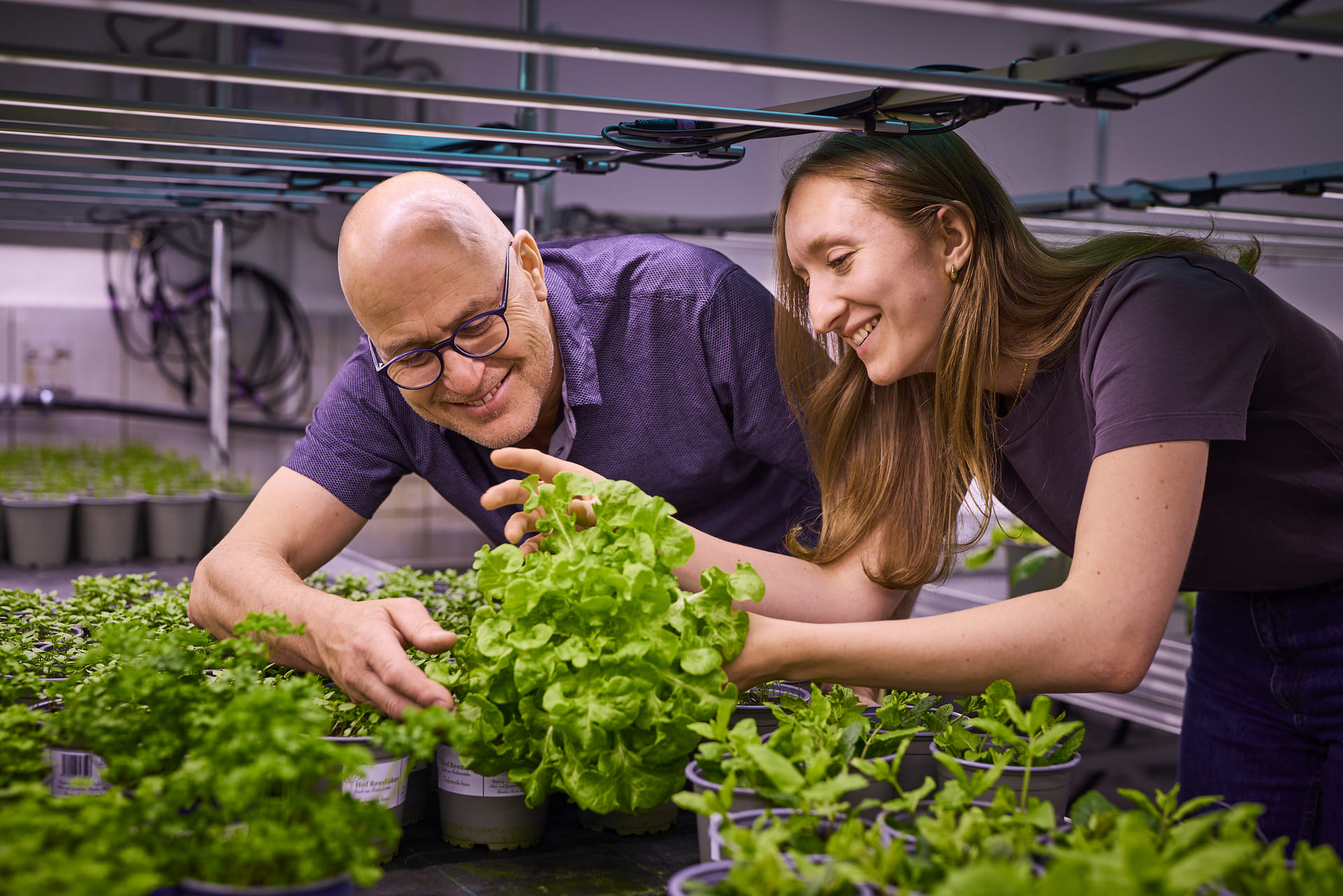
Stallgrün does not just supply the technology. A key component of the concept is digital cultivation logs, which contain all the settings for lighting, irrigation, fertilisation and climate control in a single app. Farmers simply select which crop they wish to grow – the control system takes care of the rest automatically.

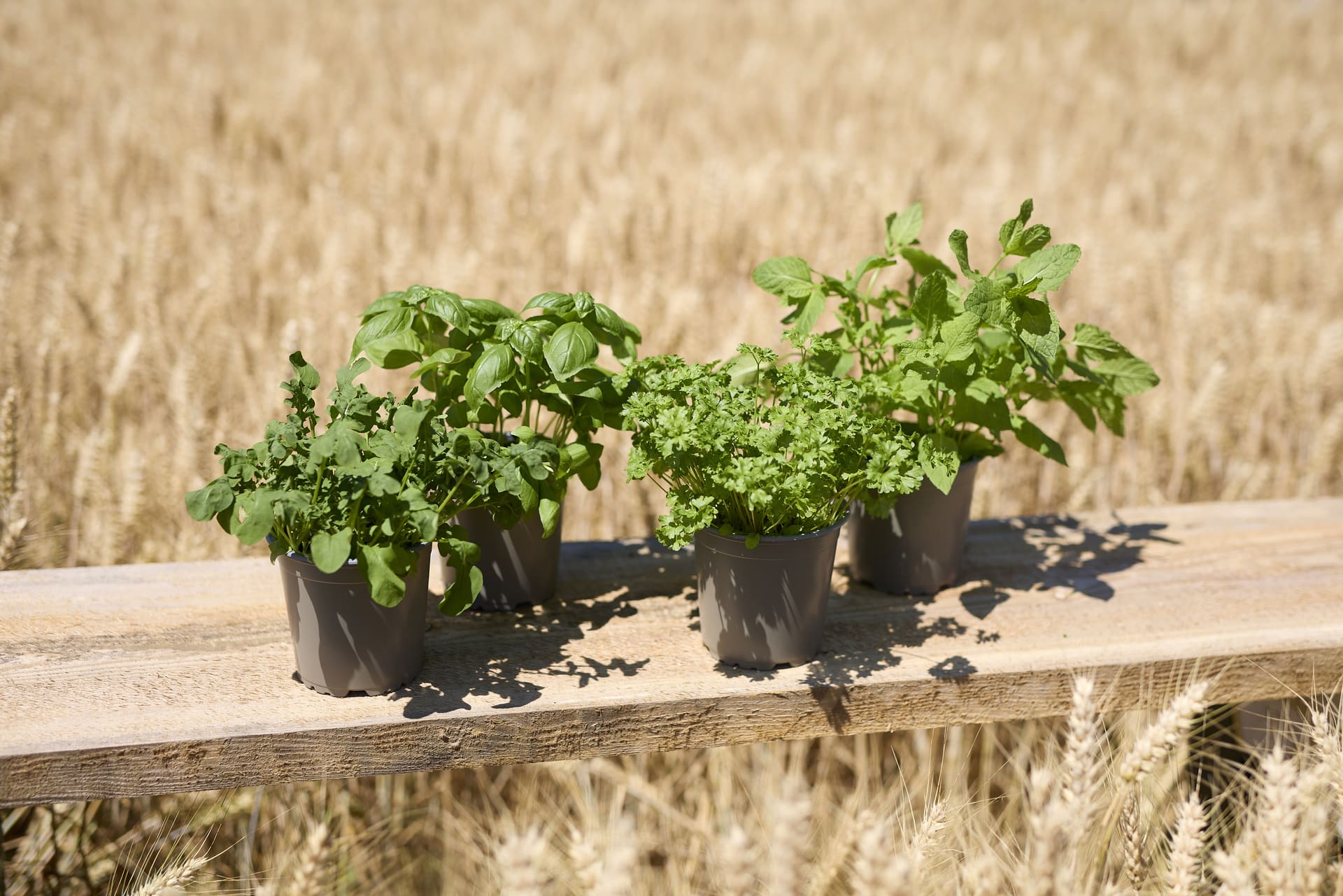
This means that herbs, lettuces and various leafy vegetables, amongst other things, can be produced regionally all year round. Furthermore, Stallgrün shares its own experience in marketing and sales with the farmers. This is because the entire process is already being carried out on Thorsten’s family farm – from sowing to selling to local supermarkets.

4
STRONG SUPPORT FROM THE MÜNSTERLAND REGION

Along the way, Thorsten and Judith were supported by numerous regional initiatives. The Gründerstipendium.NRW grant enabled them to get started. Subsequently, their development was supported by, amongst others, the REACH – EUREGIO Start-up Centre, the Gründergarage Münster and, later, the Seedhouse in Osnabrück. Another key milestone was the Green Start-up programme run by the German Federal Environmental Foundation, which enabled both of them to work full-time on Stallgrün from an early stage. Today, the company also receives support from investors.

5
A FUTURE FOR FARMS – AND FOR LOCAL FOOD

Following its successful implementation on the family farm, the focus is now on scaling up. Stallgrün aims to enable as many farmers as possible to get started with indoor farming and to put disused barns to good use once again. At the same time, the aim is to boost regional food production and make the agricultural sector less reliant on imports.

6
THE MOST IMPORTANT LESSON: STARTING A BUSINESS TOGETHER

Looking back, Thorsten and Judith recommend making use of support schemes such as incubators or accelerator programmes at an early stage. “There, you get countless tips for what you’re planning to do and can avoid typical mistakes – such as developing something that nobody actually needs in the end,” says Thorsten. Choosing the right co-founders is just as important.“Challenges and stressful times are bound to come. Being able to rely on a good working relationship then is incredibly valuable,”adds Judith.

Be inspired by more green start-up stories

Photo shoot at Urbanhive
© Münsterland e.V. / Philipp Fölting

Further topics