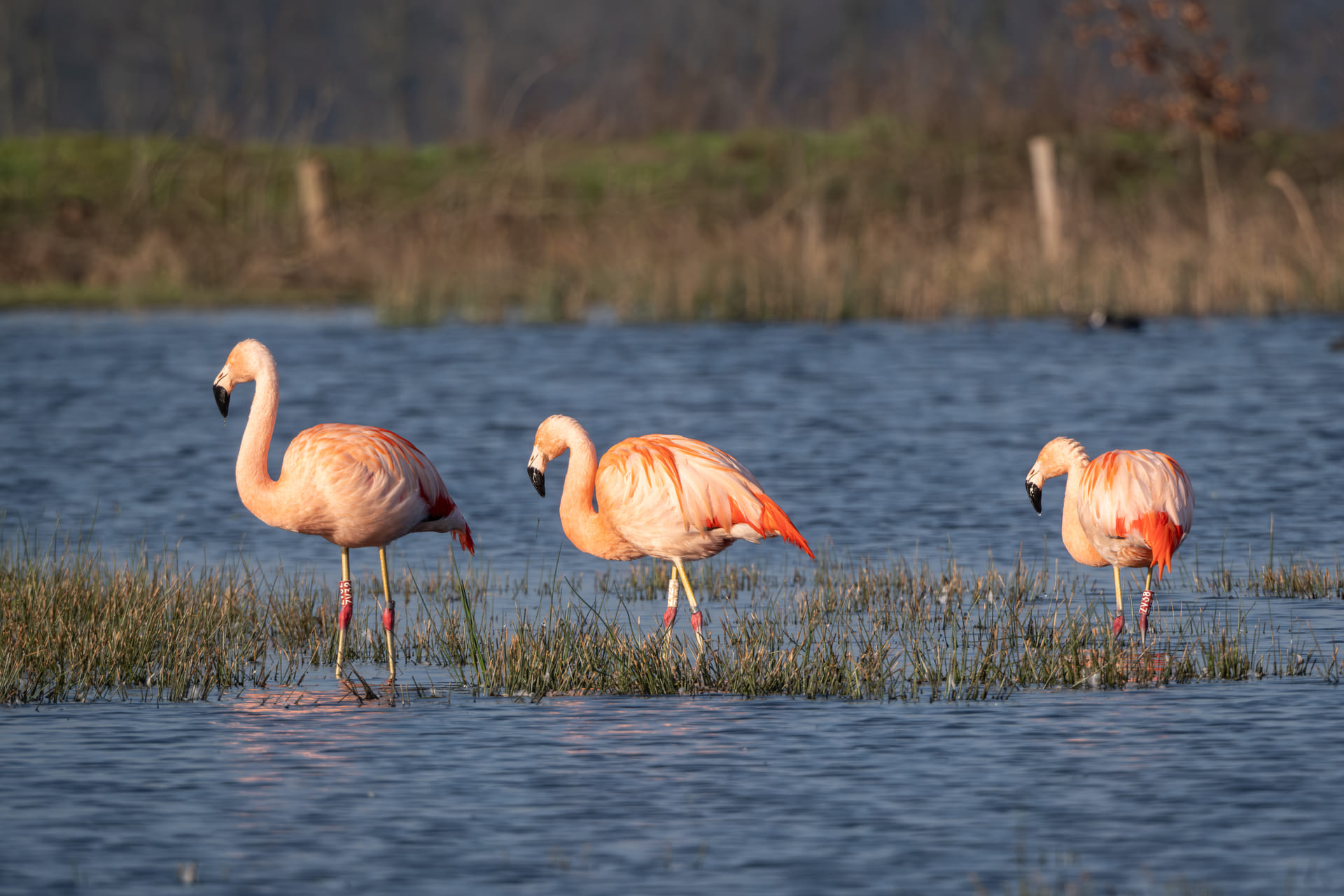
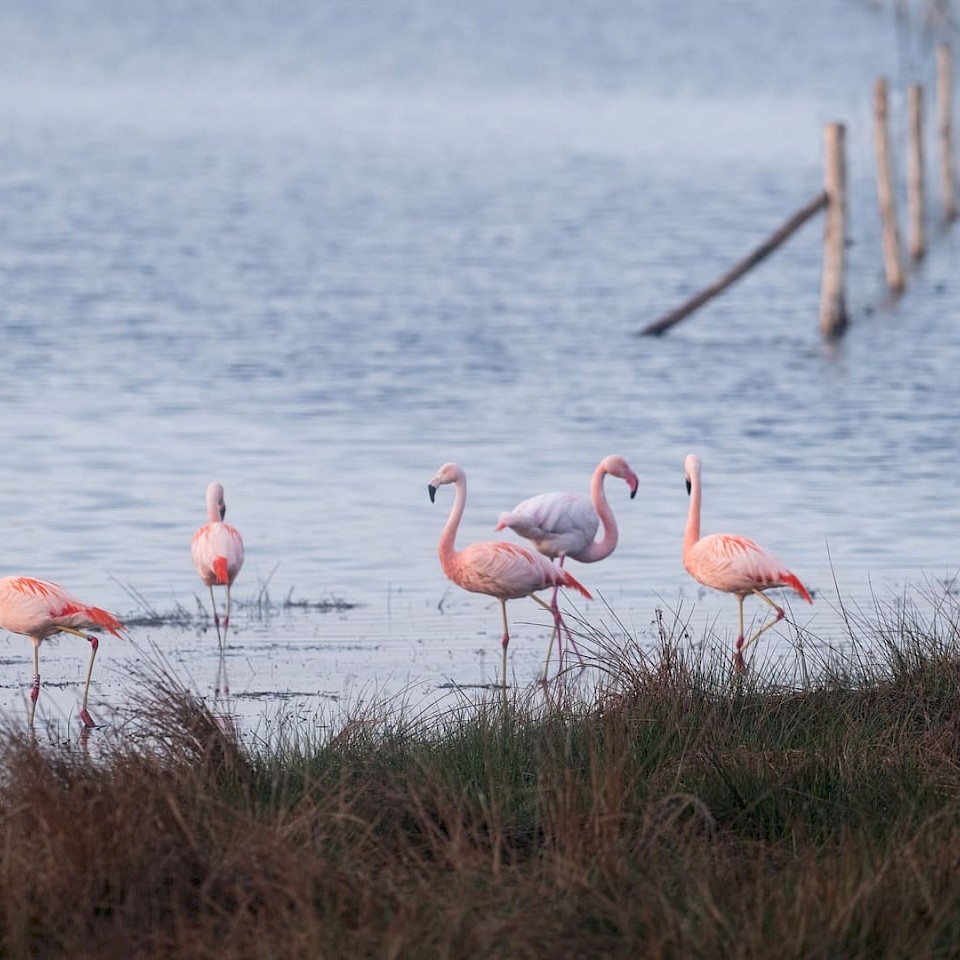
Every year, the flamingos in the Zwillbrocker Venn attract numerous visitors. The approximately 40 to 50 animals can be observed between April and July, mostly on the shallow shores of the islands. The flamingos not only spend the summer months in the fen, but also breed here. Bring your binoculars, then you can observe the birds even better.
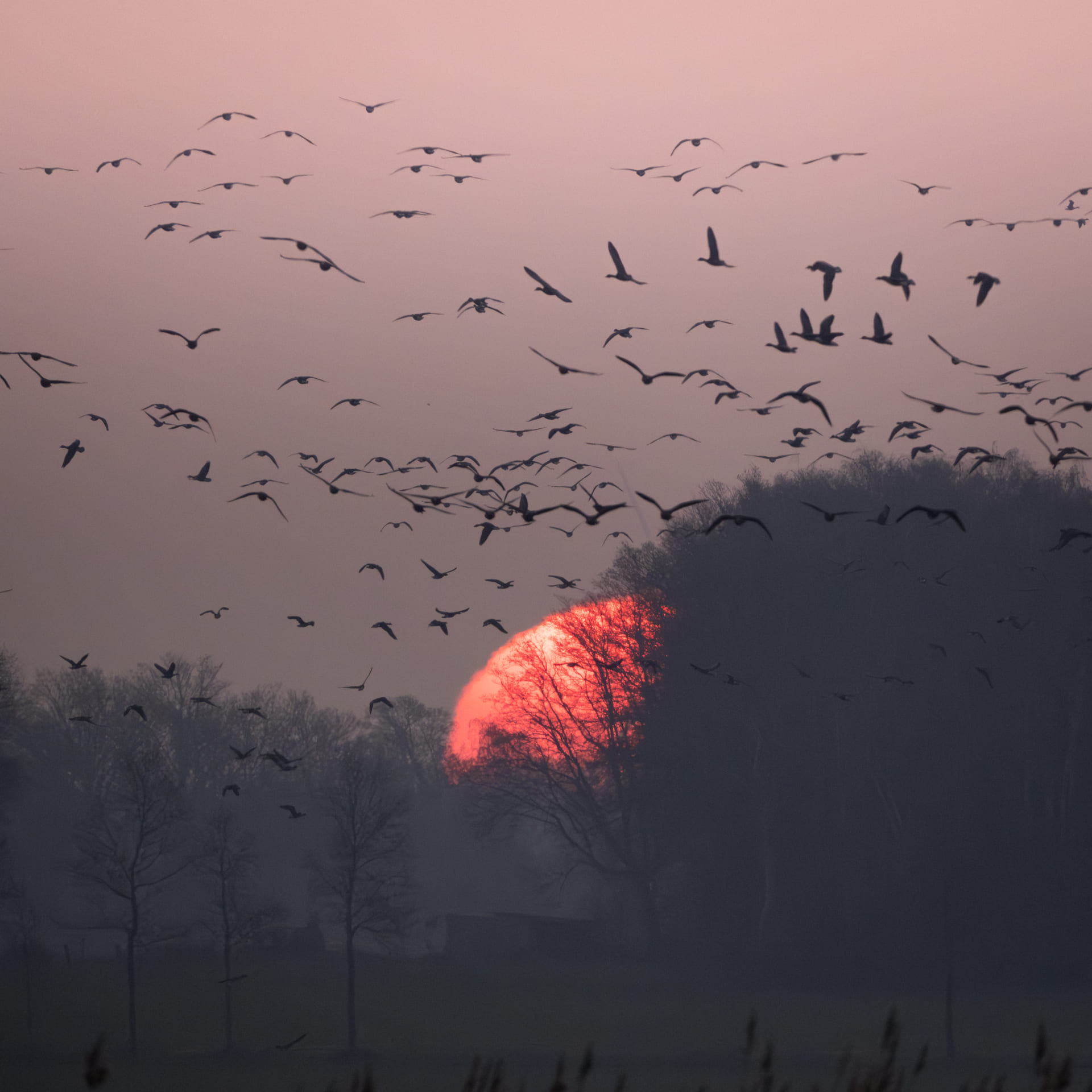
The flamingos, on the other hand, have their winter quarters in the somewhat milder regions of South Holland. In addition to the flamingos, the Zwillbrocker Venn is also home to about 10,000 black-headed gulls in summer. The inhabitants of Germany's largest inland colony draw attention to themselves loudly from afar.
Even without the flamingos, the nature reserve near Vreden would be worth a visit. The Zwillbrocker Venn is home to around 60 species of birds and countless other animals and rare plants. These include many heather plants that present themselves colourfully, especially in late summer.
The first port of call is the Biological Station in Zwillbrock.
On a walk around the lake, the flora and fauna of the Zwillbrocker Fens are explained at various points. A good introduction to the Zwillbrocker Venn is the Biological Station in Zwillbrock with its informative exhibition on the natural and cultural landscape of the region. On a guided tour of the Zwillbrocker Venn you can learn a lot more about the moor, its inhabitants and its history.
The Biological Station also maintains a flock of moorland sheep with 800 ewes, whose diet regularly includes the young birch trees in the Venn. In this way, the moorland sheep keep the landscape open and perform an invaluable service for this unique natural area.
The imposing baroque church of Zwillbrock and attractive gastronomy are also in the neighbourhood, which together make a nice destination for a day trip.




Spread the word! #münsterland #thegoodlife