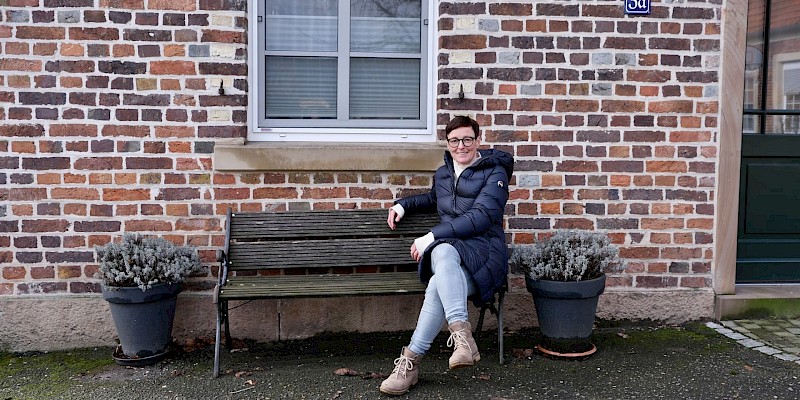
Portrait of Jessica Mersmann

Rodja Trappe
© Münsterland e.V./ Cornelia Höchstetter

Horses move us

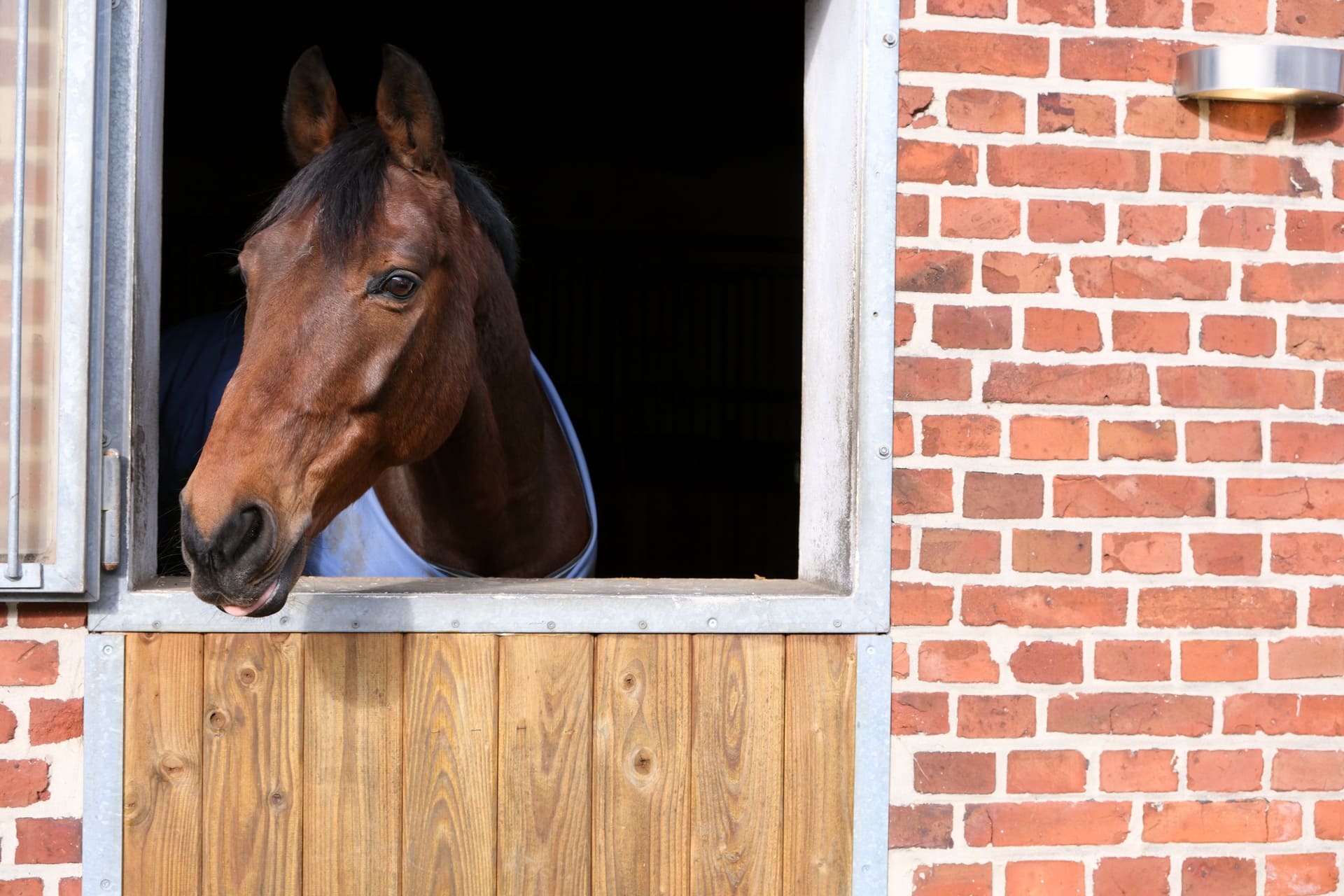
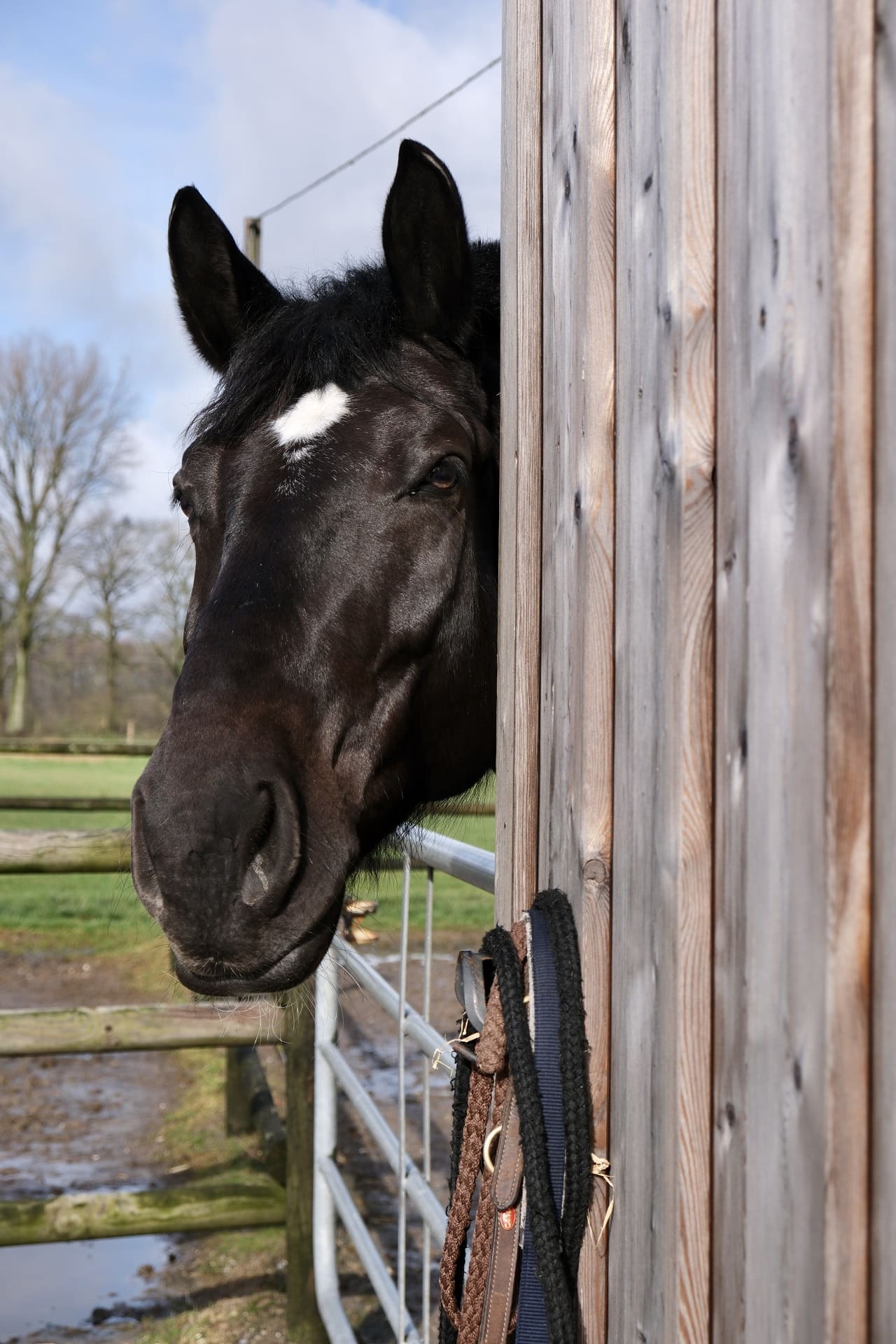
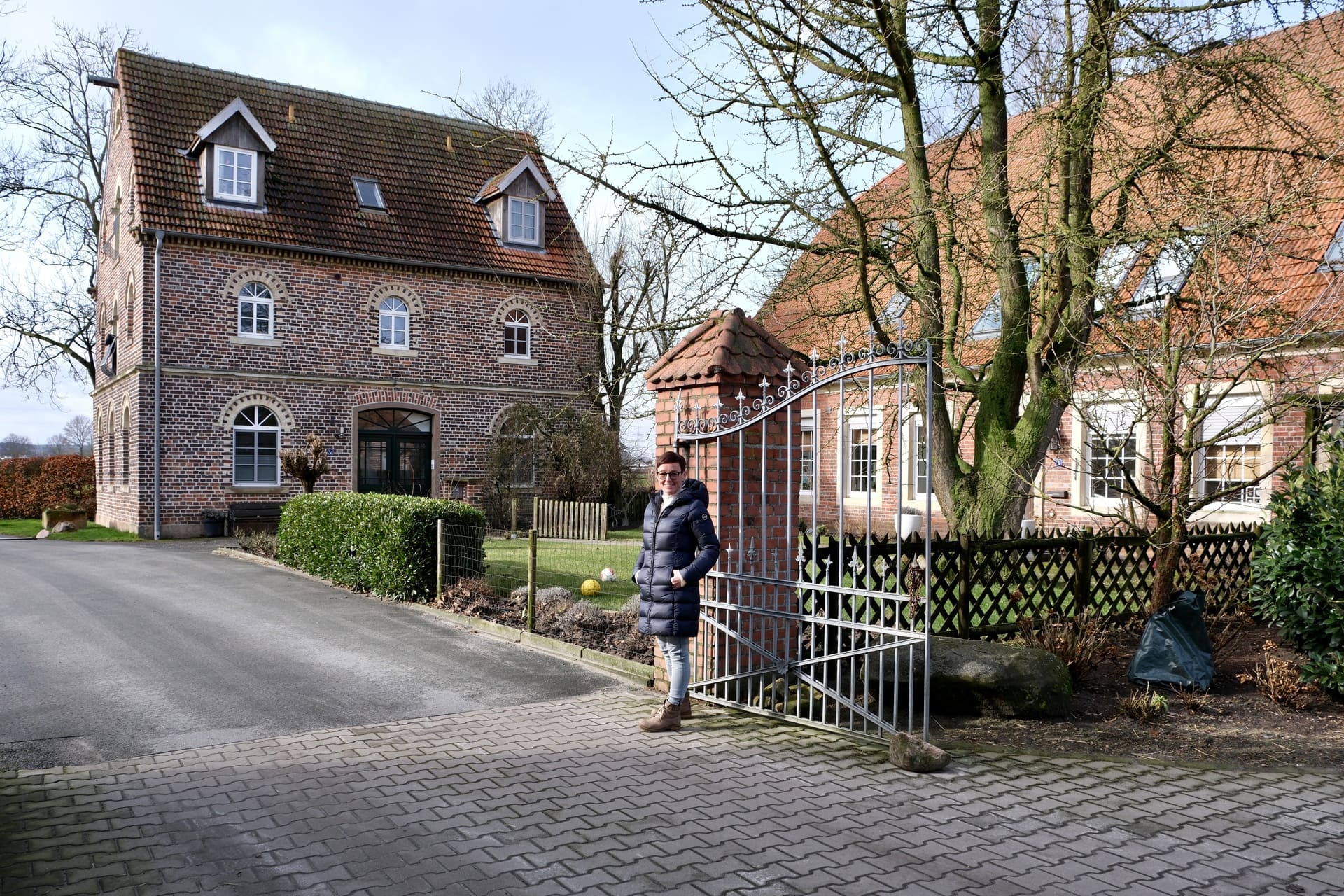
Jessica Mersmann, 44, runs the Hof Mersmann riding and exercise centre in Laer. She took over her parents' traditional Münsterland farm in 2008 and rethought agriculture. The forest and fields are partly leased out and the farm is home to boarding and training horses. Therapeutic riding and riding as a health sport for children and adults are mainly organised there. The farm employs a team of social pedagogues, occupational therapists, physiotherapists, remedial teachers and horse managers. Small animals such as guinea pigs, goats and chickens live there together with 40 horses. Jessica Mersmann herself is a social pedagogue as well as a master of equine management and has three trainees. She is also a lecturer at the German Curatorship for Therapeutic Riding (DKThR).

"Horses treat all people completely non-judgementally."


Why do horses give children and adults and healthy and disabled people such a great feeling, Mrs Mersmann?

Everyone who sits on a horse has four healthy legs. It is not possible to sit on a horse and not move. You have to balance yourself on the horse's back, even if the horse is just standing and breathing. Horses trigger physical movements in us - and emotions: We want to make contact with the horses, get close to them and stroke them. Riding and being together with horses is a wonderful combination, not least because horses are absolutely non-judgemental towards everyone - whether someone is in a wheelchair, has multiple disabilities or is healthy. We healthy people sometimes have to consciously switch off in our heads in order to concentrate on the movement. People with disabilities, on the other hand, feel the movement of the horses much more strongly. The situation is different for burnout or depression patients: They find it much easier to talk to the therapist on horseback.

What are the moments in your day-to-day work that always impress you?

For example, when the most severely disabled patients are lifted onto the horse in the lift, and when the emotions burst out of them after just five metres and they start to cry - I still shudder.

Did you grow up with horses on the farm yourself?

With animals: Here in Laer, that's my parents' farm - my father is a farmer, now retired. He ran a conventional mixed farm with bulls, pigs and dairy cattle. Until 30 years ago, farms like this were typical for the Münsterland region. As a young girl, I rode dressage and show jumping at the Laer riding club and we had the horses at home on the farm.

How did it all start when you converted your parents' farm into a horse farm?

I completed a commercial apprenticeship in the public sector in Münster and actually wanted to study business administration. Then I worked in the youth welfare office. There I was so strongly influenced by educationalists, theologians and psychologists that I switched to social work. My idea at the time was to buy a Shetland pony to finance my studies and offer riding lessons at home for children aged between three and six. That was the beginning: it all started with partial self-employment and the corresponding trainer training and has continued step by step until today.

So you became a farm successor with a new business idea - how did that work?

Initially, I offered hippotherapy, a form of physiotherapy on horseback, thanks to the three-dimensional vibration of the horse's movement. In 2008, together with two friends, I thought about expanding the service: We thought about a physiotherapy practice, a seminar room for theory lessons and a movement room for psychomotor activities for children. So I went to the bank and presented my concept for converting the straw floor - with success: where up to 15,000 small bales used to be stored, exactly these rooms were created on around 400 square metres. We have been calling ourselves a "riding and exercise centre" since 2010. At that time, there was no comparable centre in the whole of Germany. In 2018, occupational therapy was added, which runs independently as a limited company with me as managing partner, as well as agriculture and the riding and exercise centre as a sole proprietorship.

The horse farm is certainly also a magnet for children, isn't it?

We have a preventative programme for kindergartens: riding as a health sport to get children moving. The word "therapy" sometimes has a stigmatising effect. So we call the programme "Movement experience with and on the horse". A hobby like this is so valuable: you are together with a living being and together in nature. Even when you are in the riding arena, you have to dress appropriately because you are exposed to the weather. The children learn to take responsibility, because the horse cannot survive without humans. We make them realise that not every horse can be used equally well every day or that an older horse always needs a break. This teaches consideration and empathetic behaviour.

Among the adult riders, you particularly address latecomers and those returning to riding. Who are they?

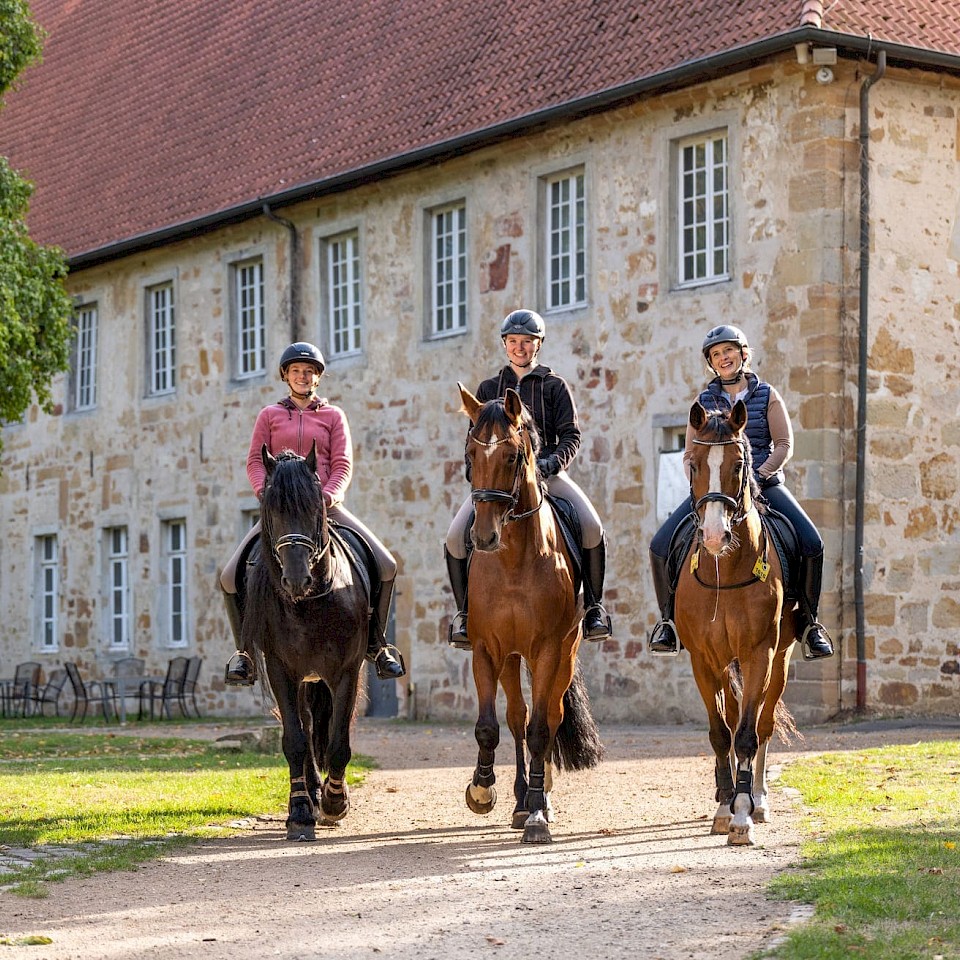
Mainly women, often young mothers who want to train their pelvic floor after giving birth. But some men also register with us. Many 40 to 50-year-olds come who have always dreamed of riding. Our oldest rider is 80 years old! The programme for adult riders is also called "Riding as a health sport". Some just want to relax and unwind. Most, however, want to ride in a sporty way - but not in the sense of competitive sport. They want to be challenged - to move with the horse instead of going to the gym. That's why we also offer elements of the Feldenkrais method on the horse, seat training, ground work, theory sessions and even riding out and pole work or jumping gymnastics. The riding lessons are always individual: I feel the rider's basic mood and organise the lessons based on this. Many people always ride the same horse and build up a bond.

So horses create friendships, do they?

Yes, that's also down to the good atmosphere at the yard. It's really communal here: people support each other, the boarding horse owners represent each other. The Tuesday riding group also invites each other outside the stables - and it's a mixed age group: they are between 30 and 65 years old.

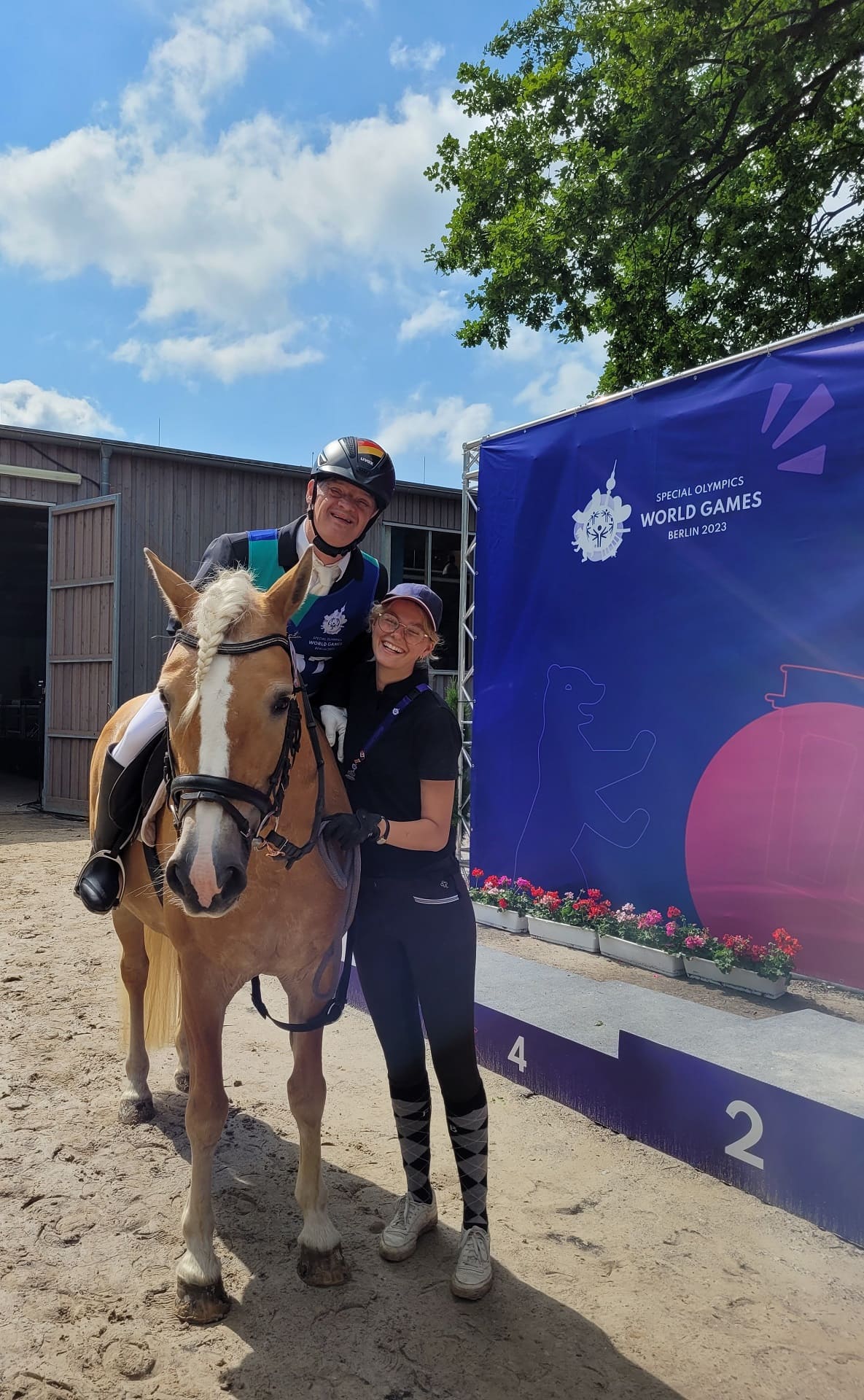
You were even at the Special Olympics World Games 2023 in Berlin with your horses - what was that like?

I still get goosebumps because it was an amazing experience. I experienced show jumping on a completely different level in Berlin: so communal, so harmonious. When the enquiry came at the beginning of 2023 as to whether we would make our horses available, all of us from the yard team started to prepare them, such as travelling to other yards to familiarise the horses with different locations. In June, we then travelled to Berlin with 14 horses a week before the Games began so that they could acclimatise. We drew up a profile for each horse so that the allocation with the Special Olympics World Games athletes was a good fit. 125 participants from 29 nations were at the start. We served 15 nations with our horses and a third of all medals were won by riders on our horses. It was so nice to see the harmony with which the people with mental and, in some cases, physical disabilities interacted with the horses. And vice versa, how the horses played along. How they knew that they had to fulfil their job. One example: the mare Cilly was our replacement horse, she had to step in and was the only one who hadn't met anyone with an intellectual disability before. She also came from a high-level show jumping background. Cilly, of all people, was so reliable in the agility test - as if she kept asking: What should I do?

Close Contact