Rethinking fish farming: sea bass from the Münsterland region

The logo of die Geflossenschaften
© Die Geflossenschaft

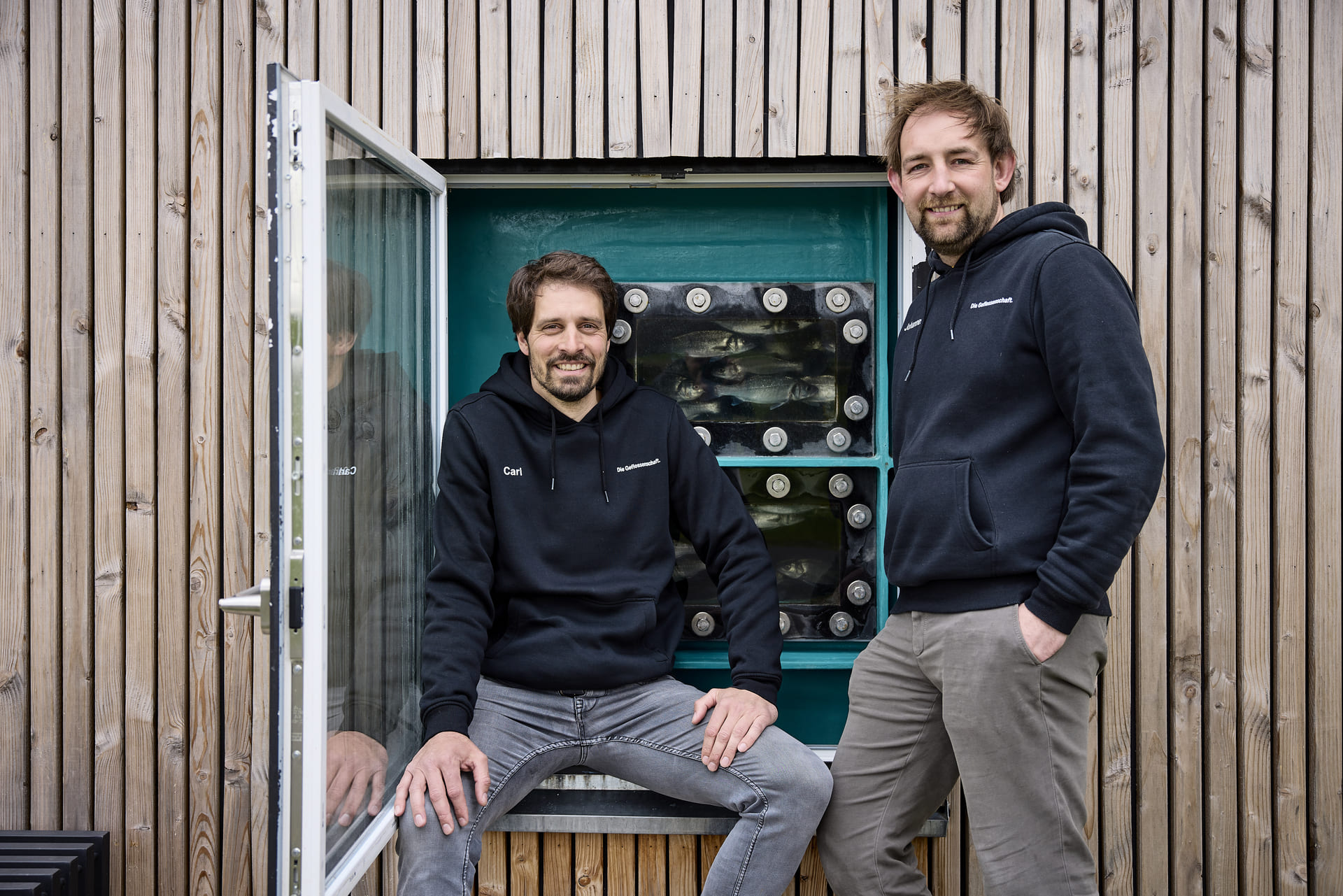
A farm in transition, two founders with a vision: Carl Niehues and Johannes Wolf combine modern aquaculture with regional agriculture - sustainable, transparent and collaborative. In the centre of Münsterland the GeflossenschaftA cooperative that rethinks fish farming and shows how animal welfare, climate protection and fair marketing go together. Find out how an idea became a movement - and why sea bass now comes from the Münsterland.

  • Sustainable nutrition
  • Sendenhorst
  • Funded by: European Maritime and Fisheries Fund (EMFAF)
1
FROM THE MÜNSTERLAND INTO A NEW FUTURE OF AQUACULTURE

Farming has always been practised on the Niehues family farm in Sendenhorst. But Carl Niehues knew that simply continuing to run his parents' farm, keeping even more pigs or cattle - that was not his path. He was looking for a real alternative, a sustainable niche that combined agriculture, animal welfare and climate protection.

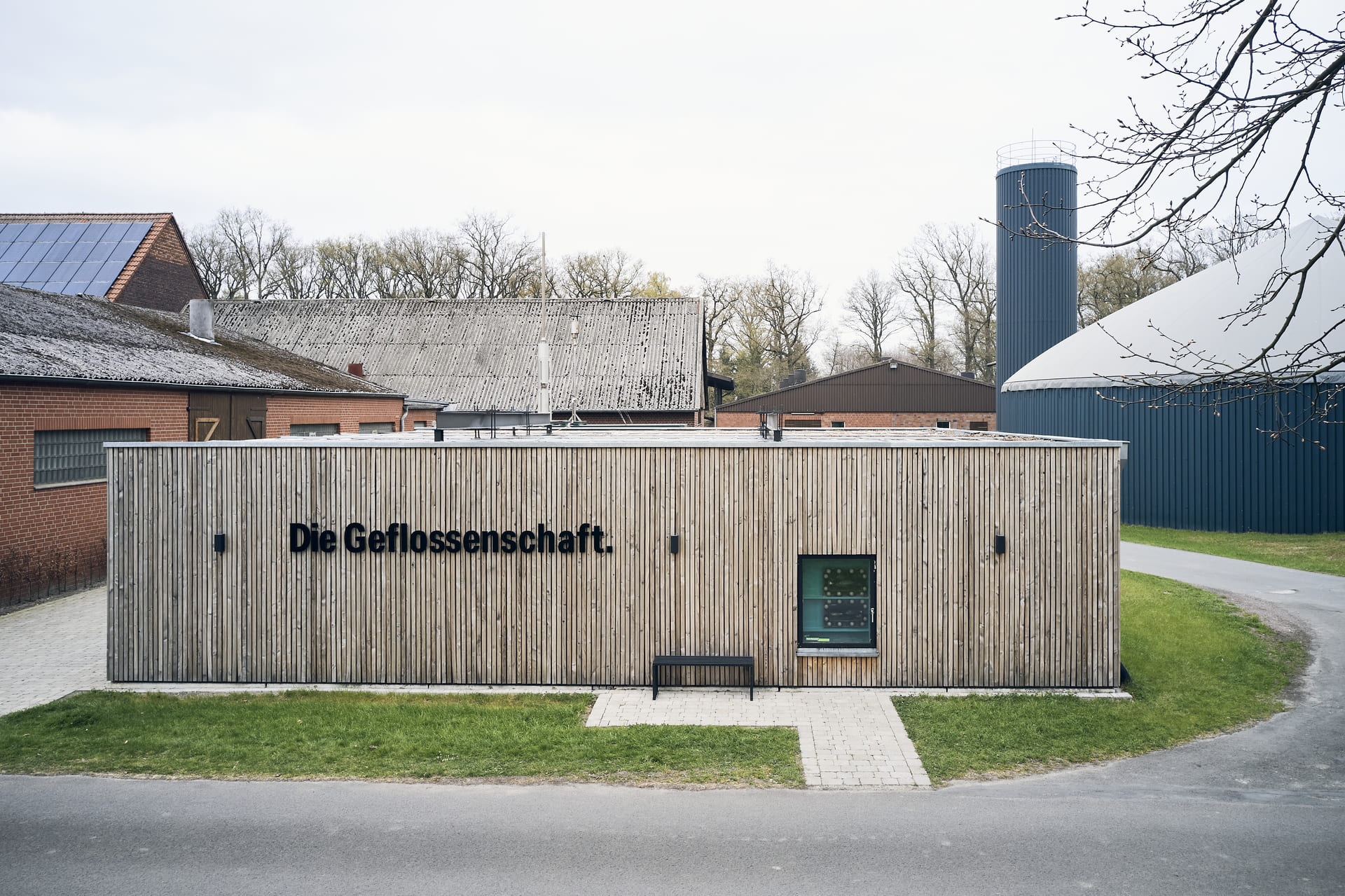
In the middle of Münsterland, Carl and his wife Louise finally built a modern saltwater system for fish farming - powered by solar energy and embedded in a closed cycle that also includes a biogas plant. Louise manages the fish farm and organises the entire production process. With her commitment, she ensures that the highest quality and smooth processes are guaranteed every day.

At the same time, Johannes Wolf was looking for a place where his passion for fish and his conviction for sustainable food production could come together. He is a trained fish farmer, experienced in marketing and trade, but always wanted to do something different. He wanted to organise fish farming fairly, regionally and transparently.

Johannes became aware of the Niehues family's farm through an Instagram advert. It quickly became clear that something extraordinary was happening on the site. While the technical infrastructure was already at the highest level, there was a lack of a well thought-out strategy for marketing and scaling. Johannes recognised the potential and brought extensive expertise and a clear vision to the table. The first visit developed into a sustainable partnership. The joint idea gave rise to Geflossenschaft - an innovative initiative for sustainable saltwater aquaculture inland.

2
FROM THE IDEA TO THE CO-OPERATIVE

The "Geflossenschaft" is a cooperative for sustainable edible fish production that was officially founded at the end of 2024. It is the first of its kind in the aquaculture sector in Germany. Carl sums it up: "Geflossenschaft is our counter-design to the market dominance of large retail chains. We focus on co-determination and regional value creation." Every company that joins with a contribution of at least 10,000 euros becomes a member. The principle applies: one vote per member, regardless of the capital contribution. Members who produce fish themselves benefit from a purchase guarantee

3
TECHNOLOGY MEETS ANIMAL WELFARE

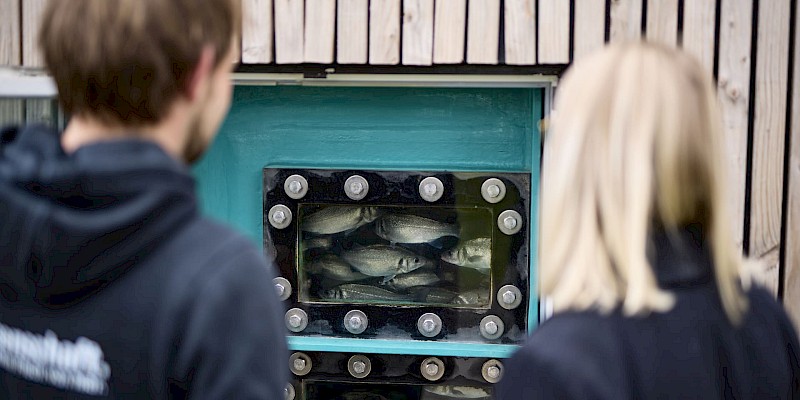
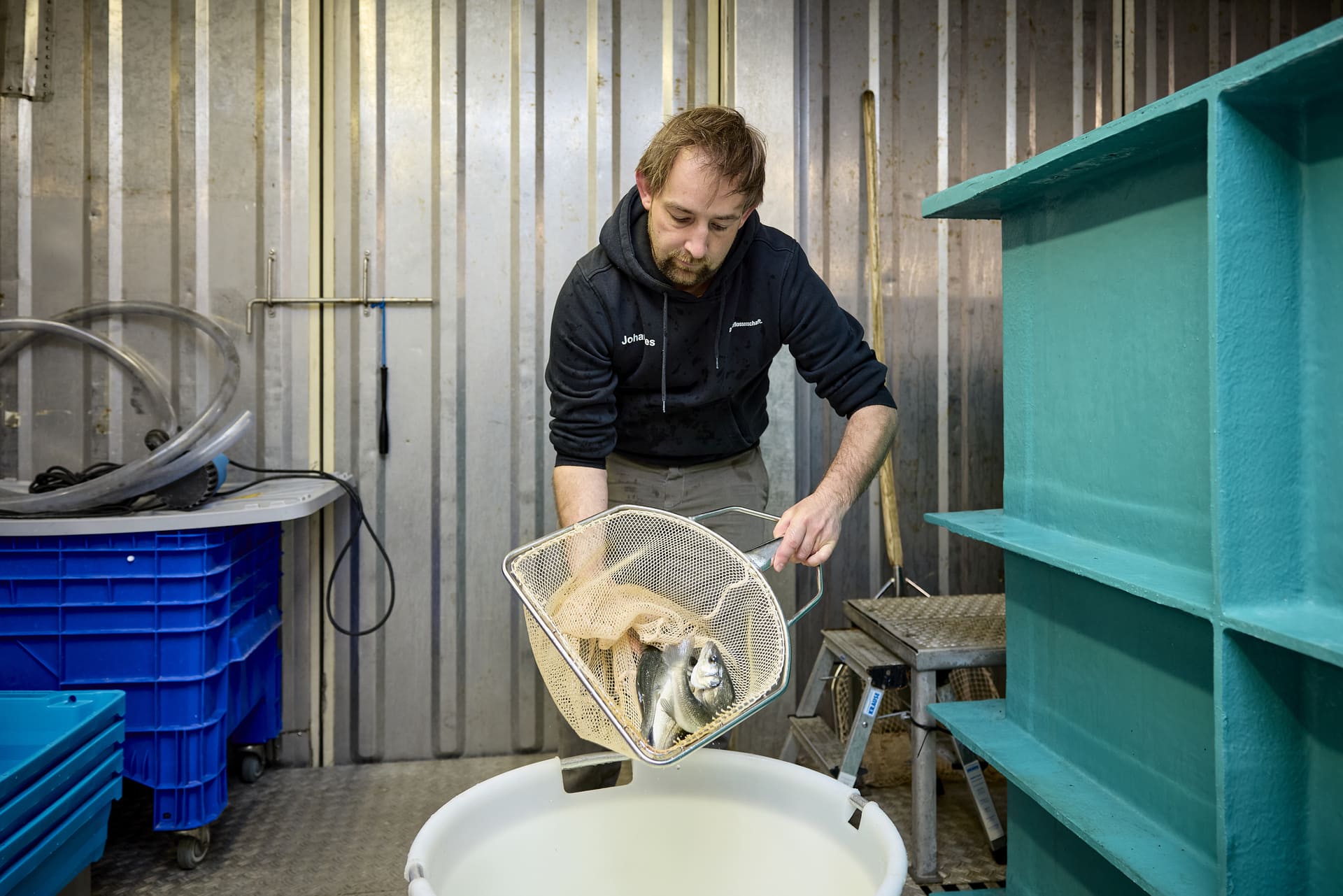
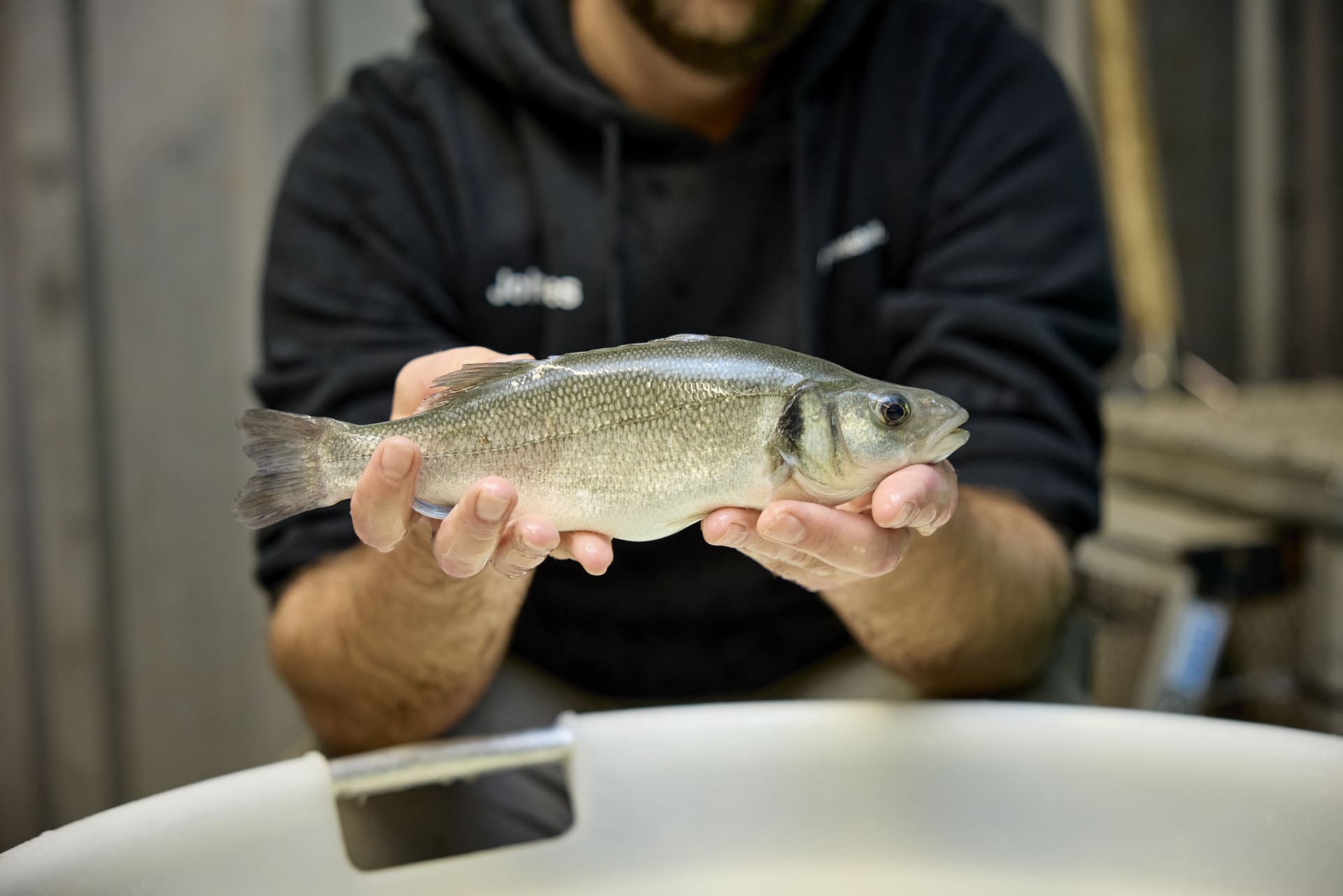
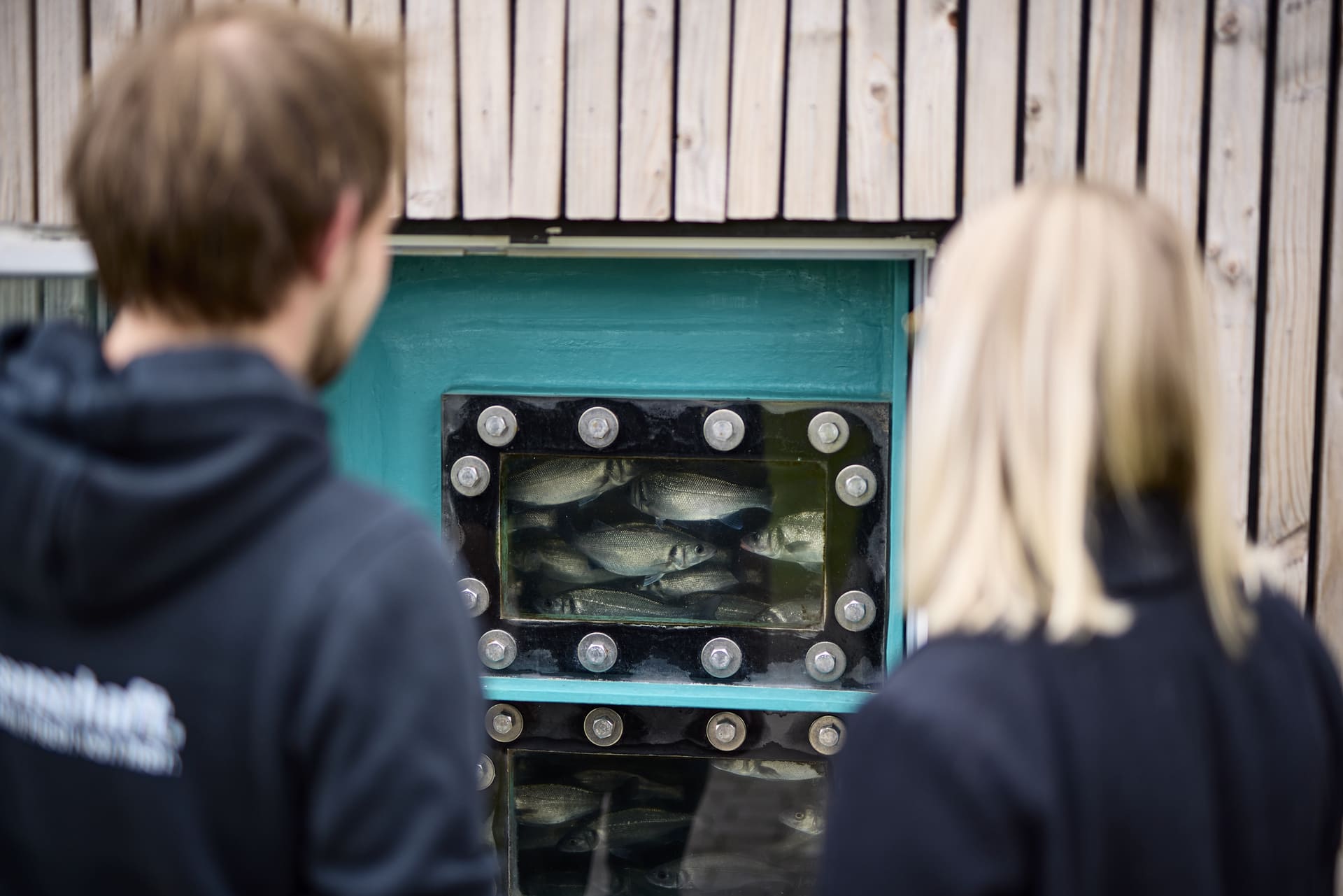
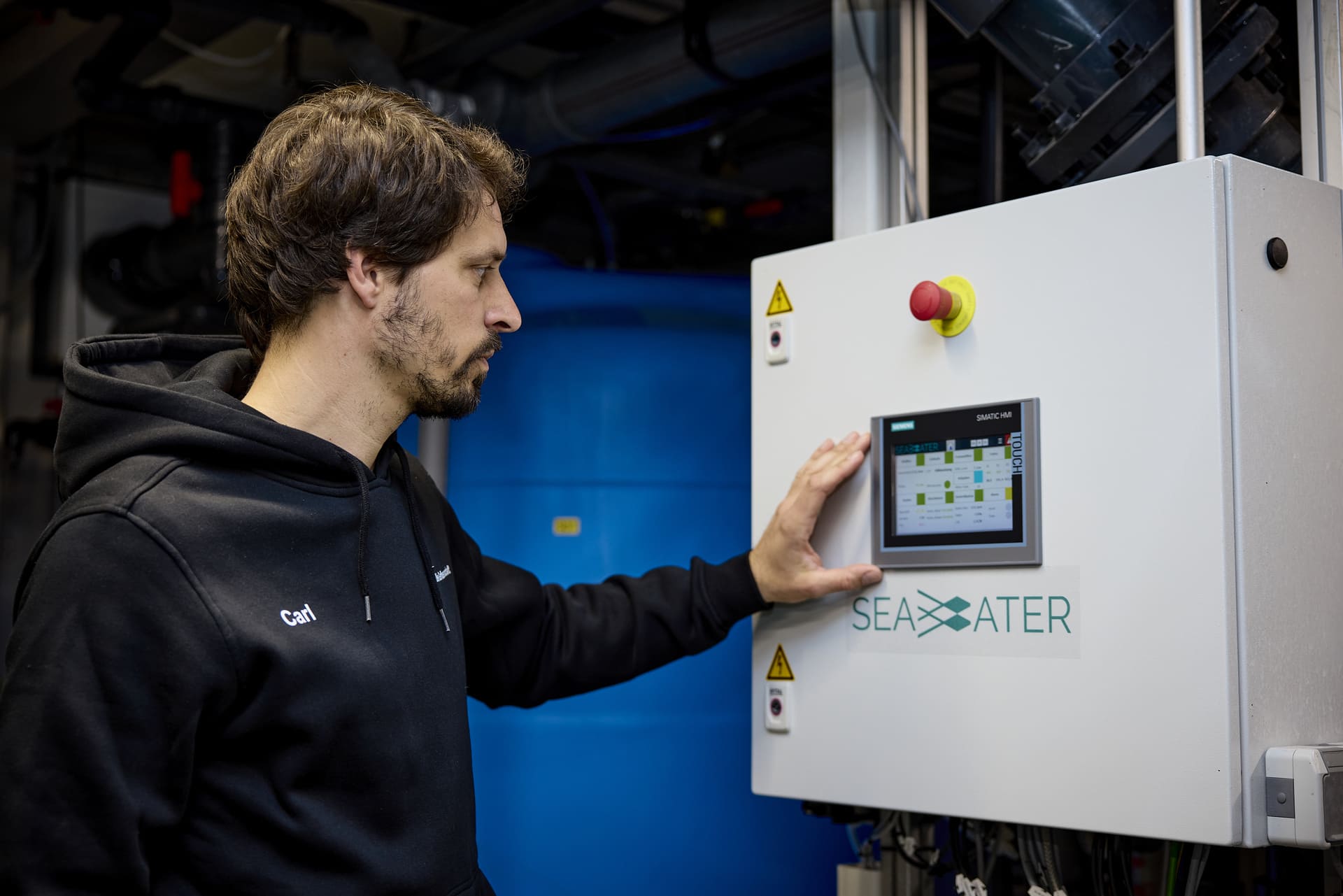
The saltwater system for fish farming was developed by the manufacturer Seawater Cubes GmbH on the basis of many years of research work at the Saarland University of Applied Sciences. The systems produce around seven to eight tonnes of fish per year in an area of around 120 square metres. Shoaling fish such as sea bream and sea bass are bred, as they are particularly suitable for breeding. These species require little free swimming space and can therefore be kept efficiently in closed circuits. Keeping them in shoals corresponds to the natural behaviour of the animals and contributes significantly to their well-being and low stress levels.

Sensors were used to record both the fish's perception of stress and the relevant environmental factors in order to optimise animal health and well-being. The water is crystal clear and the use of medication or antibiotics is taboo. The daily water exchange rate of the systems is less than one per cent - an extremely low value that is made possible by technical treatment.

Another plus: the fields are fertilised with the nutrient-rich wastewater from the fish farm, which is enriched with nitrogen and phosphorus from feed residues and excrement - a real building block of the circular economy, in which nothing is lost but everything continues to work. The combination of photovoltaics, biogas and battery storage creates a completely self-sufficient, climate-friendly fish farm in the centre of the region.

4
REGIONAL, FRESH AND TRANSPARENT

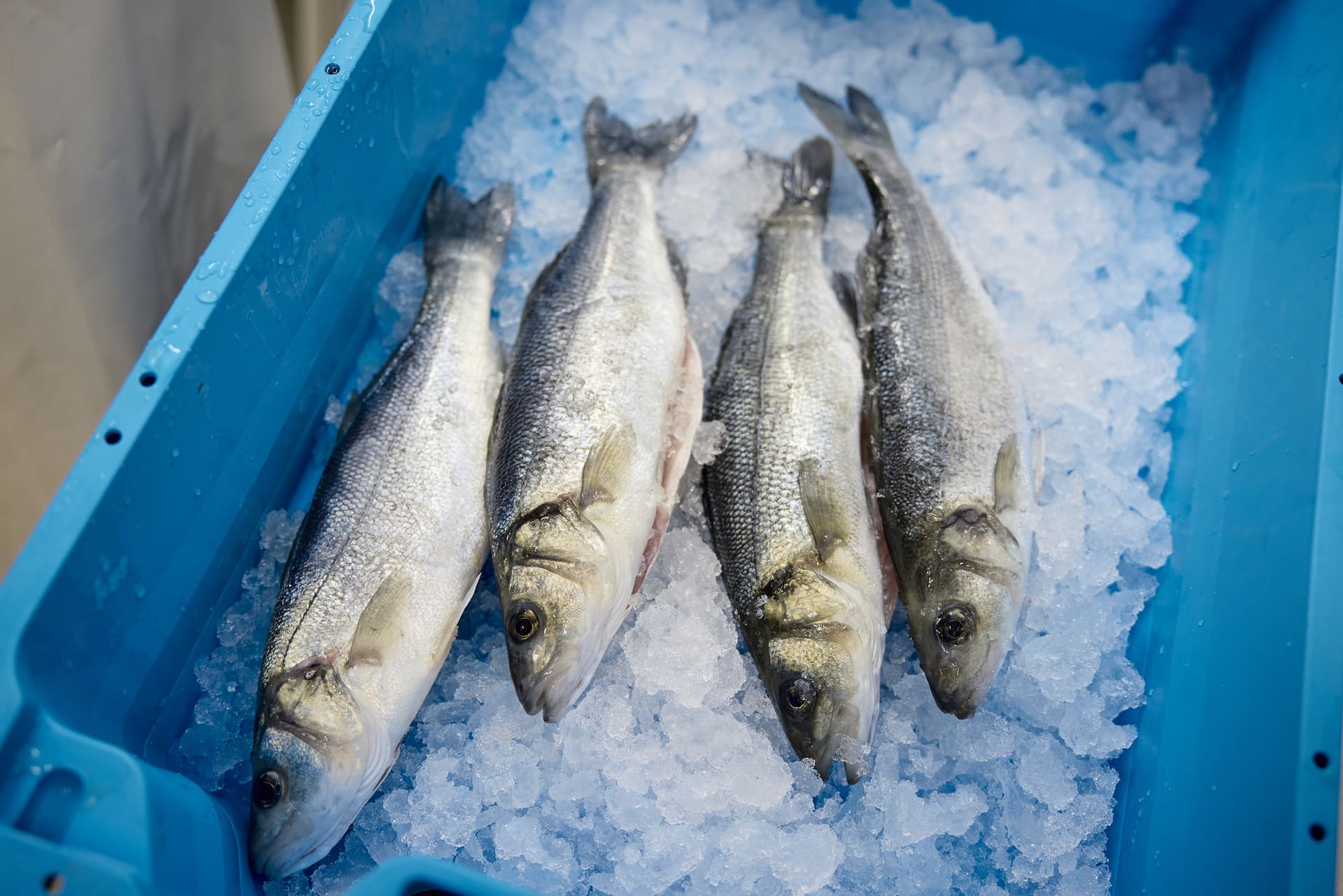
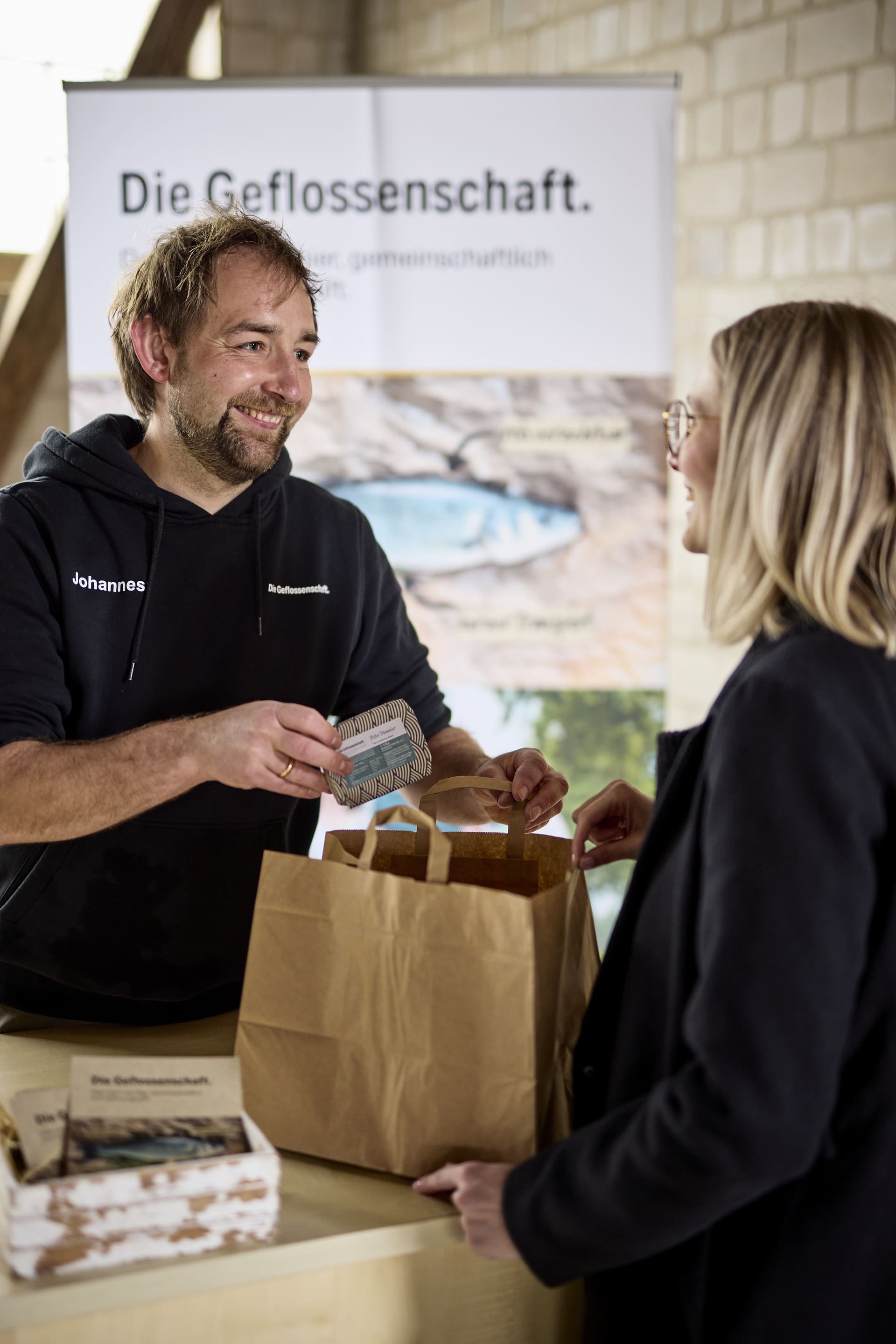
Production, processing and marketing always take place at the plant location. The fish is only marketed regionally, for example to catering businesses or end customers. The distances are short and the freshness is unbeatable. "Selling fish is a matter of trust," says Carl. That's why the businesses deliver themselves. Customers can order via app or in the online shop.

Johannes, who manages fish sales within the cooperative, coordinates sales volumes and target groups: "We make sure that every fish finds its way, with predictability, quality and fair prices for everyone involved."

5
FISH FARMING PAIRED WITH EDUCATION

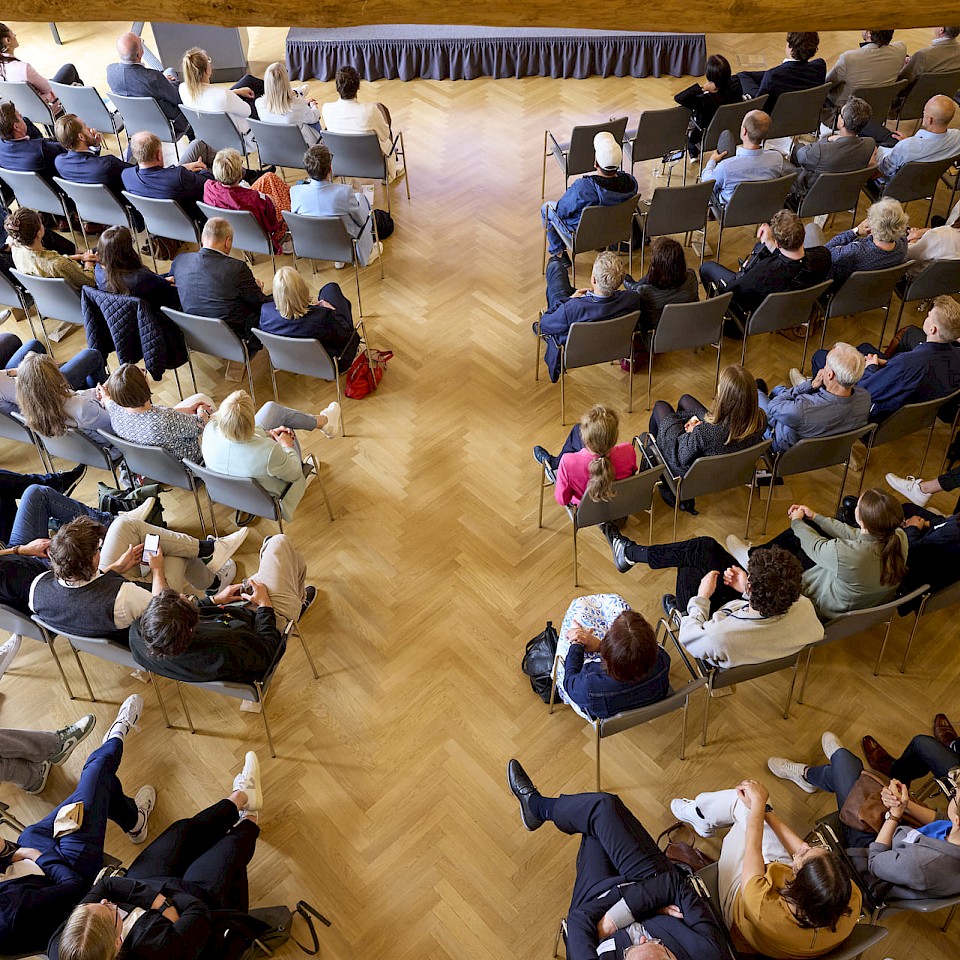
In addition to fish farming, the Geflossenschaft offers various formats relating to the topic of sustainable nutrition: These include school visits, cookery events and information events for consumers. In this way, interested parties can gain an insight into the practice of modern aquaculture and better understand the origin of their food.

The vision is clear: over the next three years, ten more facilities are to be built across Germany, always with the same goal: to rethink fish production - sustainably, regionally and collectively.

Be inspired by more green start-up stories

Photo shoot at Urbanhive
© Münsterland e.V. / Philipp Fölting

Further topics