Droste Museum in Haus Rüschhaus
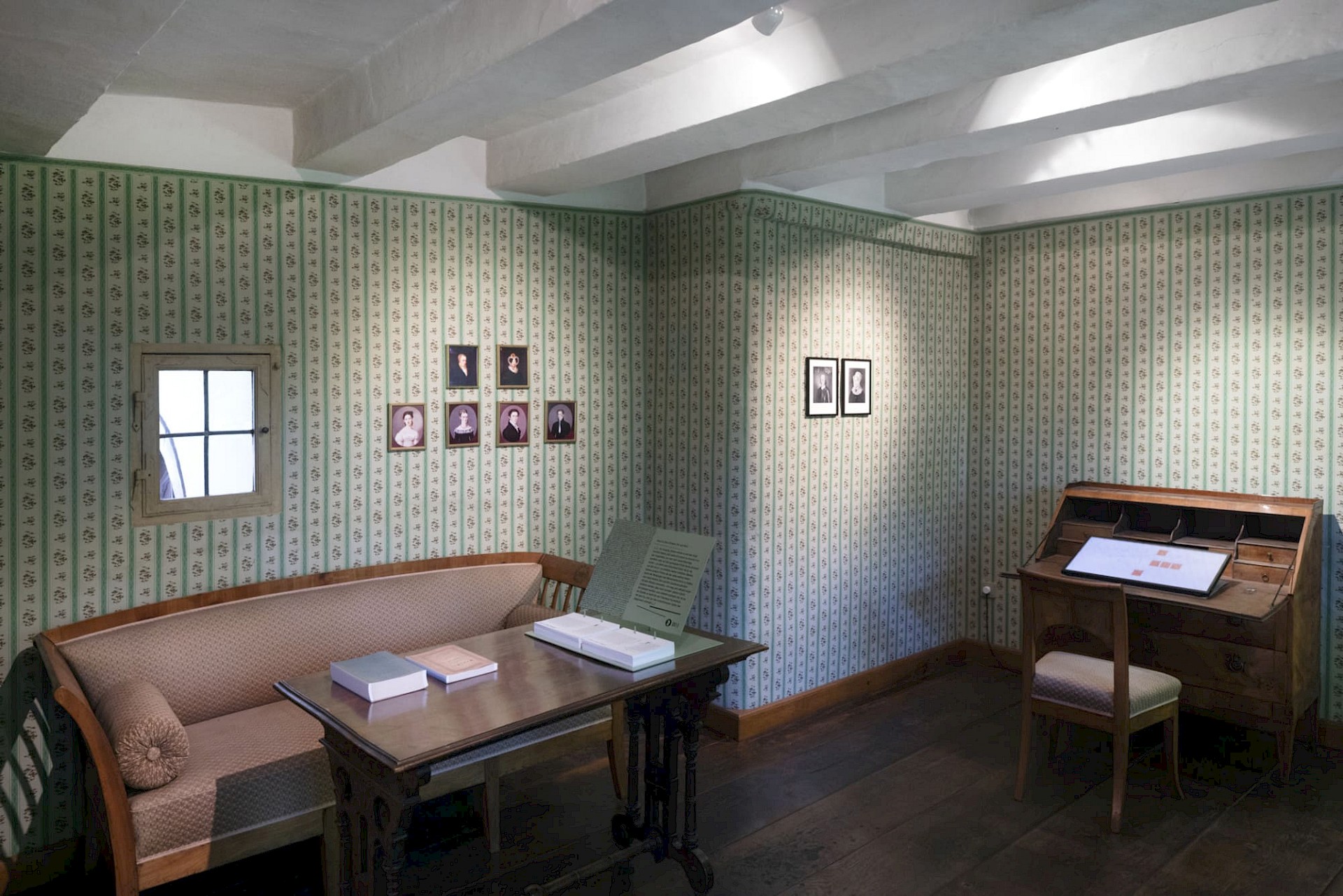
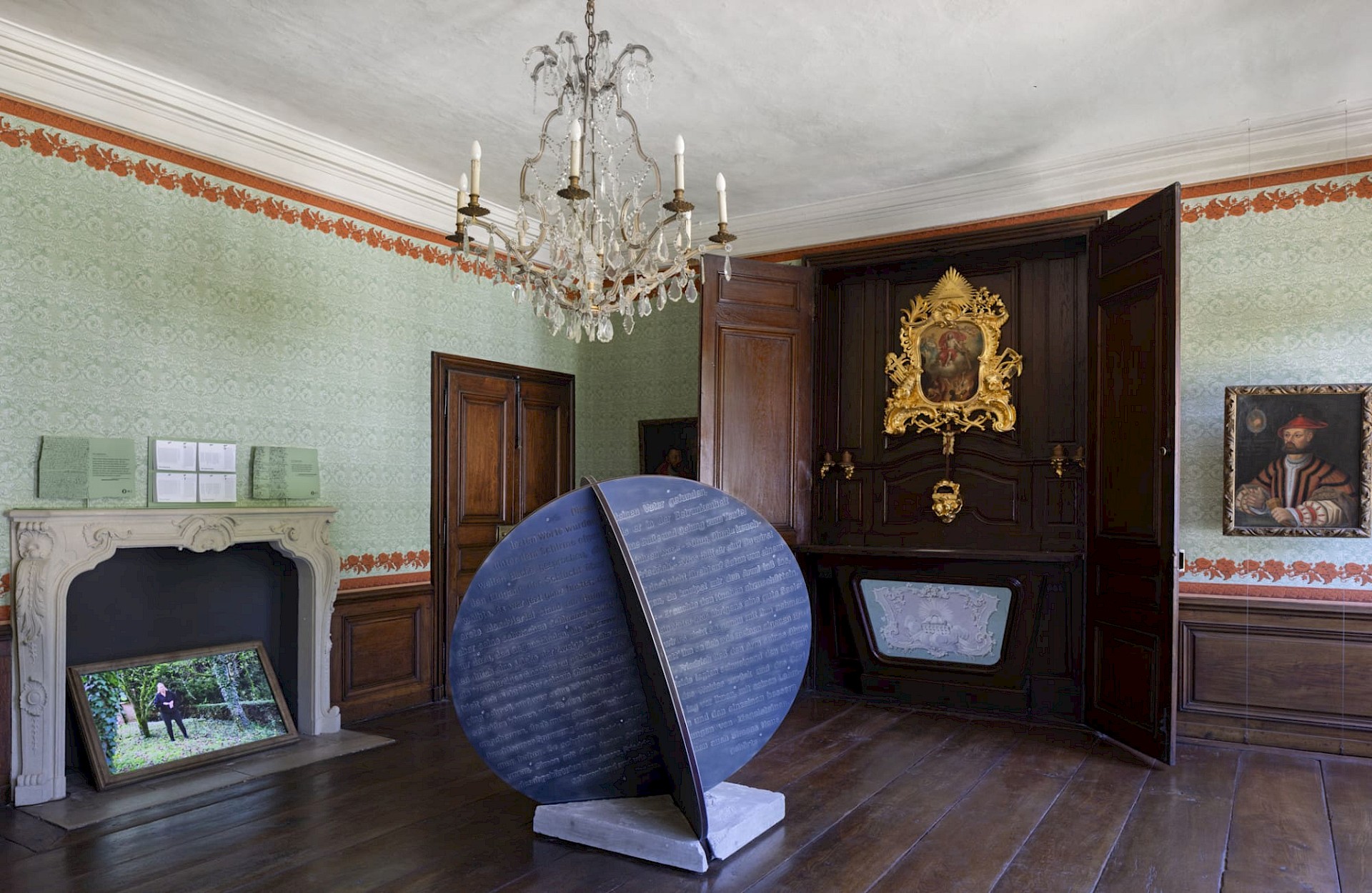
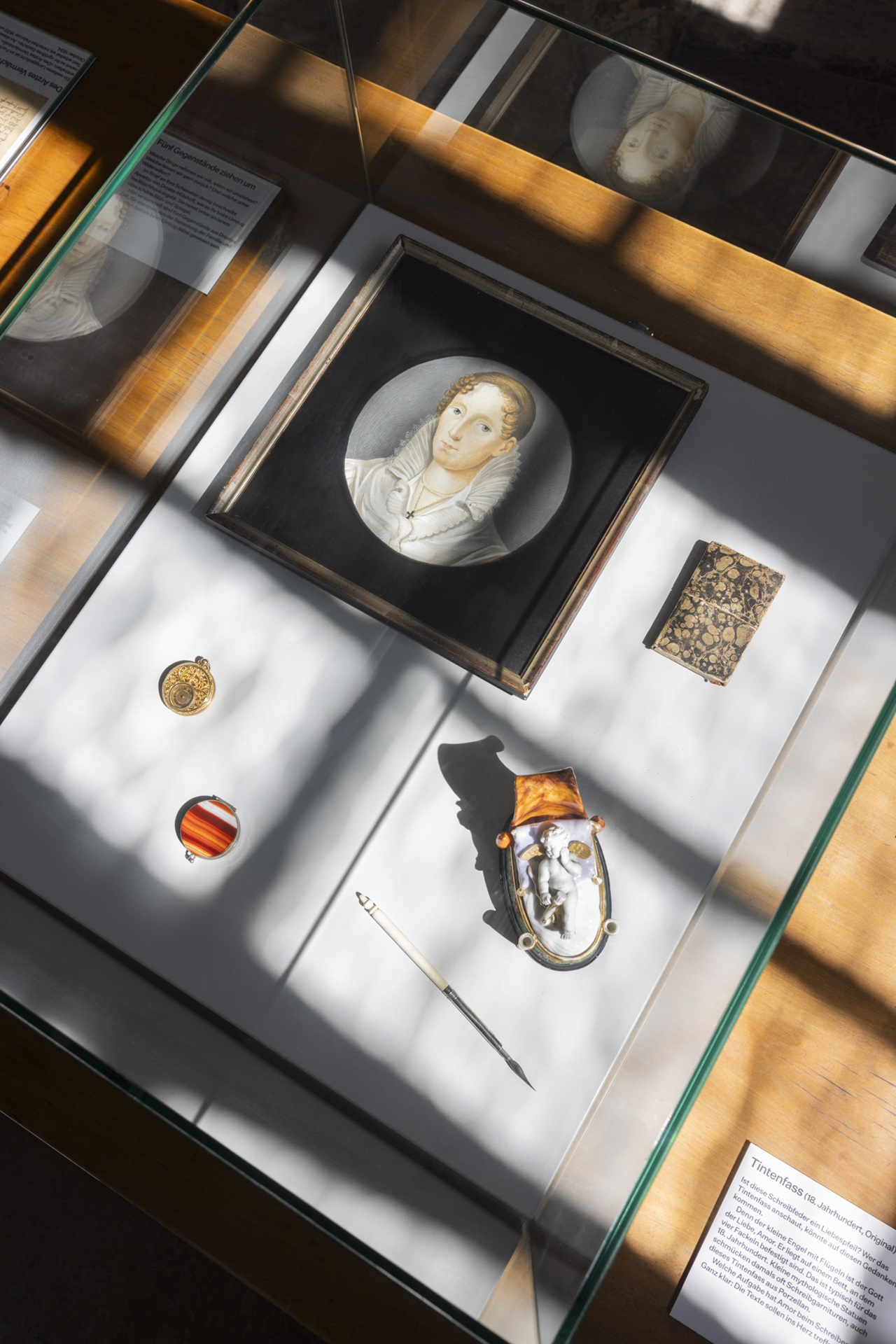
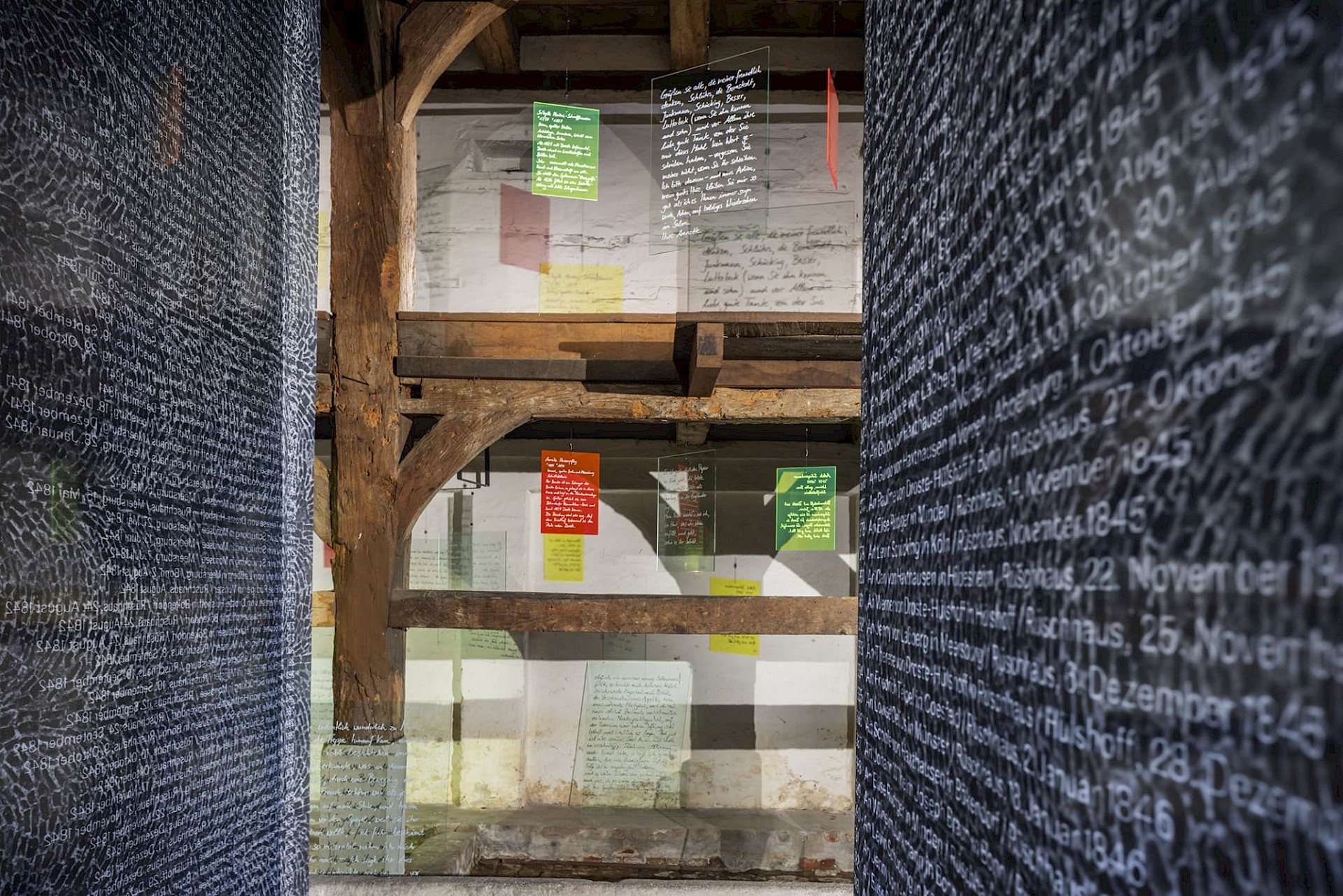
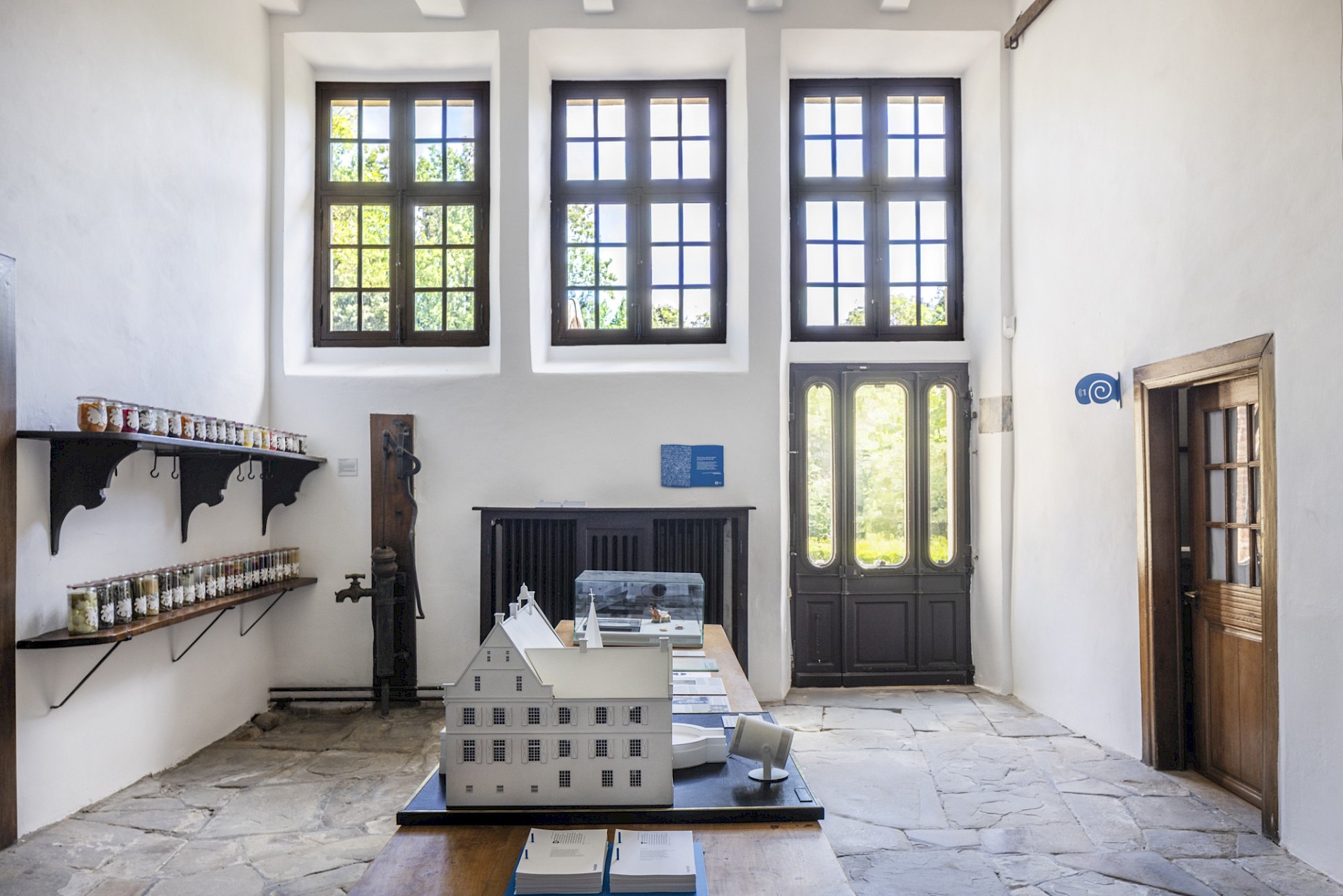
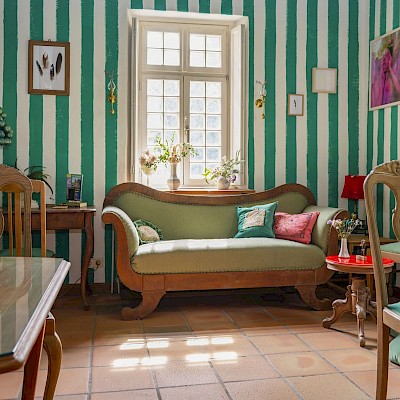
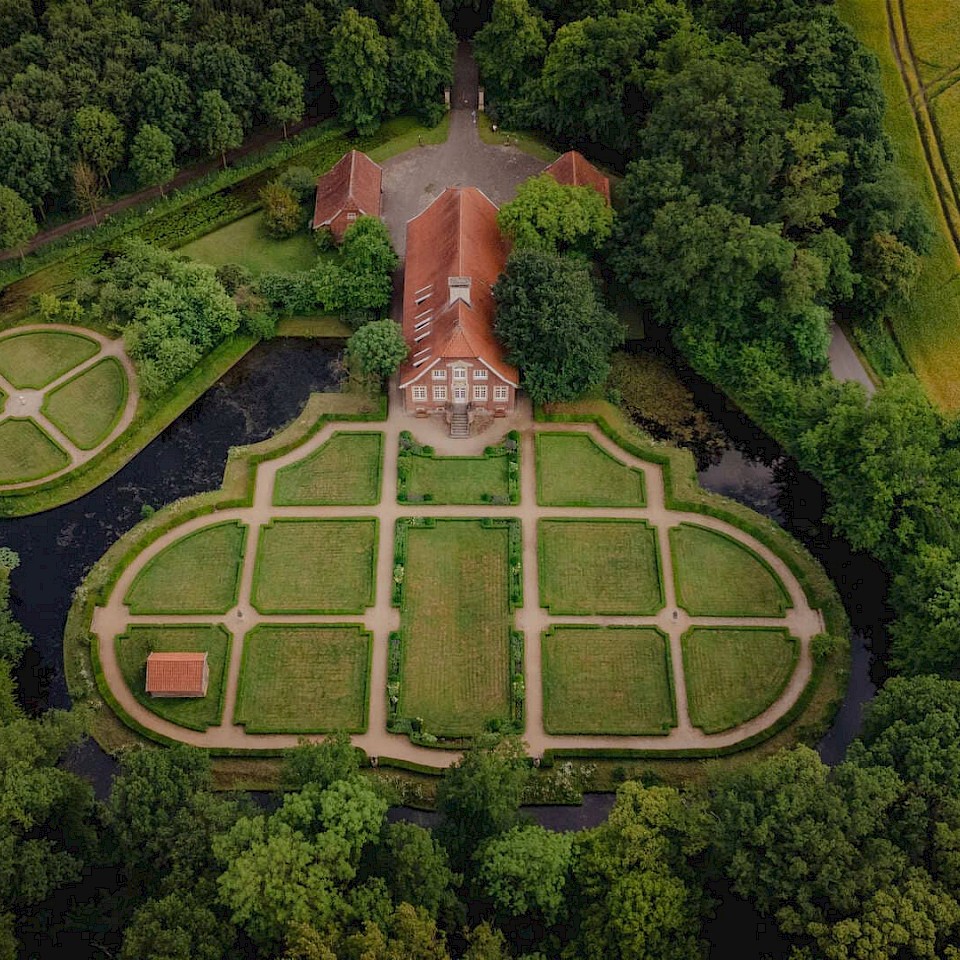
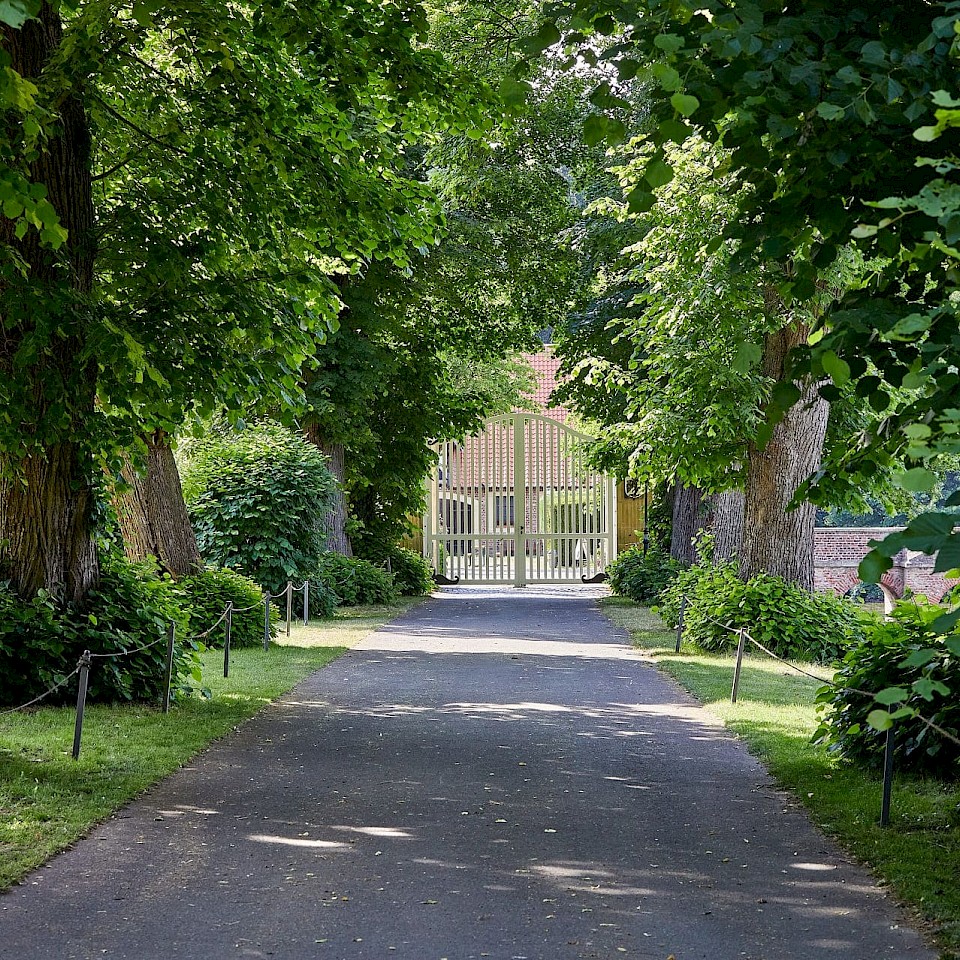
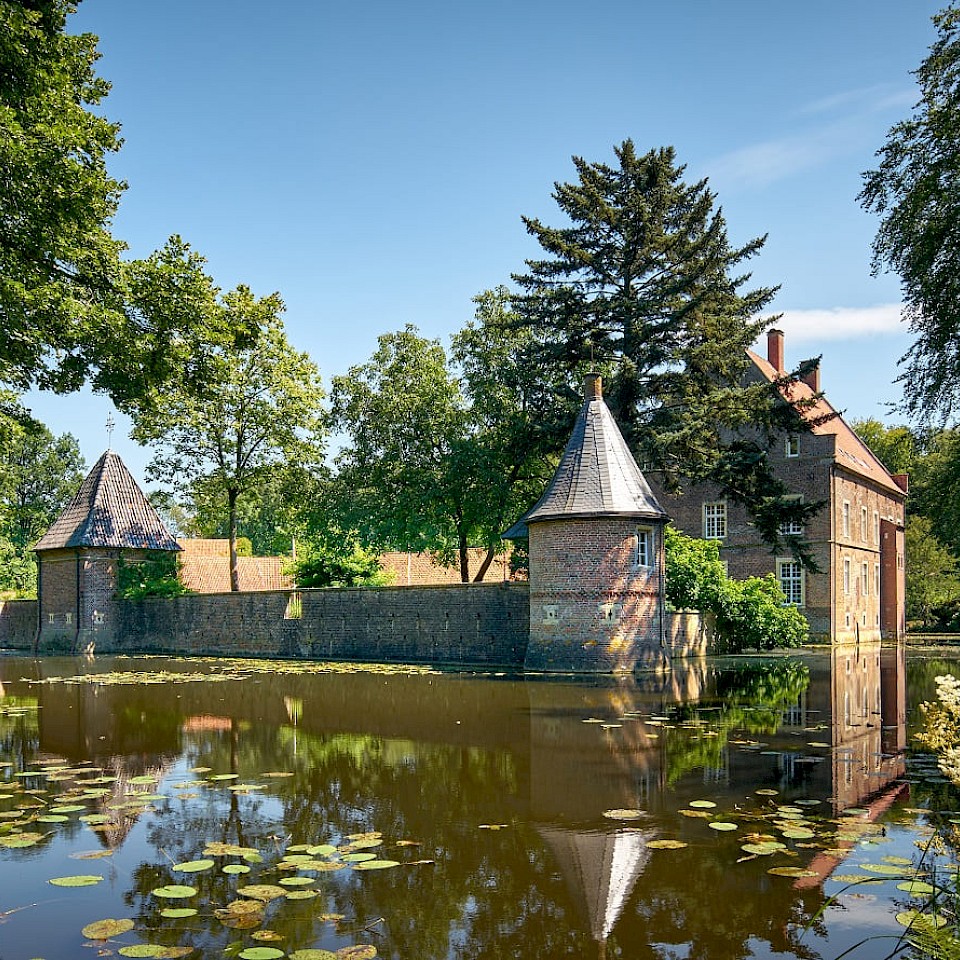
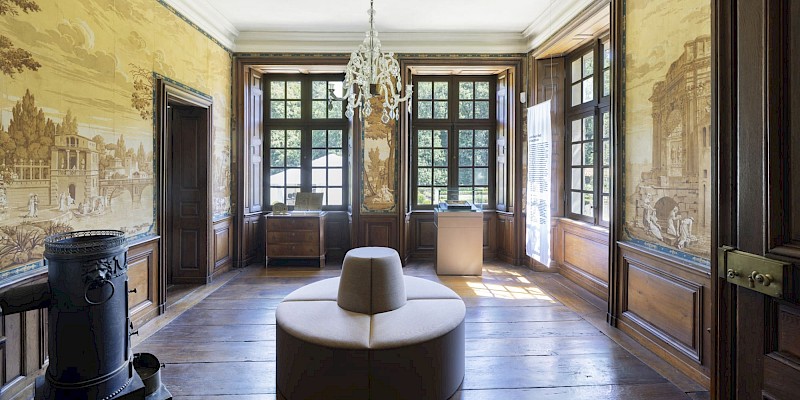
Annette von Droste-Hülshoff spent the second half of her life at Haus Rüschhausnear Münster. Following her father’s death, she moved into the Westphalian country house in 1826, together with her mother and her sister Jenny von Burg Hülshoff. Today, you can visit the ‘Droste Worlds’ here, which shed new light on the life of the most significant German-language poet of the 19th century. The new permanent exhibition in the former living quarters blends harmoniously into the interior. Together with the furnishings – some of which are true to the original – and personal belongings, you’ll gain a vivid impression of her life and work. Guided tours are offered several times a day during opening hours. The Baroque gardens behind Haus Rüschhaus are freely accessible. New additions to the complex surrounding the Rüschhaus include a hands-on garden and the cosy Café Schneckenhäuschen, which Droste would certainly have loved.