Peace of Westphalia

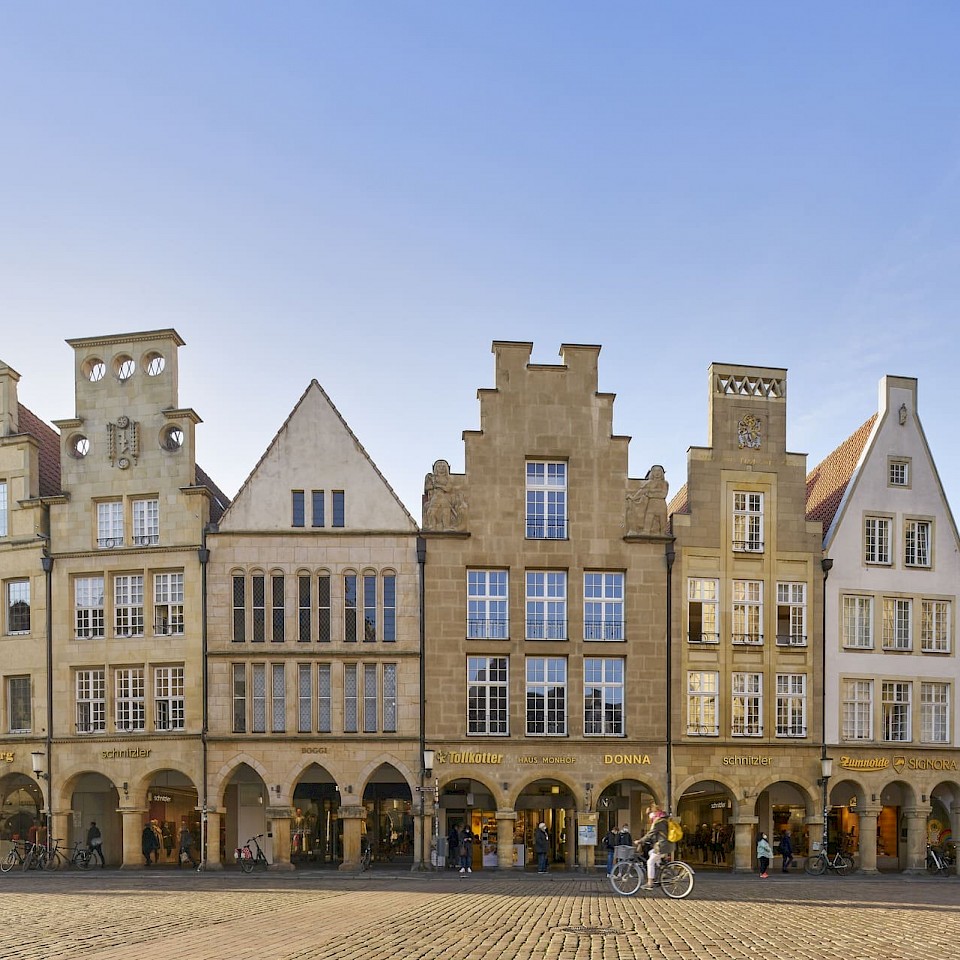
For five years, the European powers negotiated in Münster and Osnabrück until they were able to end the Thirty Years' War in Europe. 24 October 1648 was the official day on which peace was concluded - and this was duly celebrated with numerous acts of state and festive events. To this day, the two cities of peace are inseparably linked with this event.

Why is the conclusion of peace still relevant today?

However, the conditions under which negotiations took place were conceivably difficult. There was no ceasefire and hostilities continued uninterrupted. Moreover, there were no internationally recognised and tested rules for such negotiations. The negotiations on the way to the Peace of Westphalia are therefore considered important milestones on the way to a European peace order and the development of today's international law.

You can find out why, how and who is still working for peace in Münster today on the Peace blog Münster.

Significant venues

The Peace Hall in the historic Münster Town Hall
© Münsterland e.V./Philipp Fölting
Historic City Hall Münster

With its Peace Hall - world-famous as the site of the Peace of Westphalia - the town hall is considered an important architectural monument and one of the most beautiful secular buildings of the Gothic period. The actual Peace of Westphalia was not concluded in the hall, but it nevertheless played a major role as a central venue during the years of negotiations. Various relics remind us of the event to this day.

Peace Hall in the historic Osnabrück City Hall
© Janna Kamphof
Historic City Hall Osnabrück

The German Emperor and the Queen of Sweden negotiated parts of the Peace of Westphalia here. The participation of numerous smaller states was new - a pan-European peace conference. The city's Peace Hall bears impressive witness to the five years of negotiations. Since April 2015, Osnabrück City Hall and Münster City Hall have been holders of the European Heritage Label.

Sculpture "The Peace Rider" on the town hall square in Lengerich
© Sabine Braungart
The city of Lengerich

Incidentally, negotiations were not only held in Münster and Osnabrück, but also in Lengerich. The small town was strategically located between the two cities of peace. The "Lengerich Conclusum" decided on here was a groundbreaking decision because through it all the cities and estates that had suffered from the war were involved in the peace negotiations. This ultimately paved the way for the peace negotiations. On the town hall square, the sculpture "The Peace Rider" still commemorates the Peace of Westphalia.

The Gasthaus zur Post
© Münsterland e.V./Philipp Fölting
Gasthaus zur Post in Ladbergen

The small town of Ladbergen was the stage for the very big European politics. Halfway between Münster and Osnabrück, the two parties met here for preliminary negotiations of the Peace of Westphalia. The Gasthaus zur Post became the hub of the negotiations and soon also an important postal station.

Haus Marck Castle in Tecklenburg
© Münsterland e.V./Philipp Fölting
House Marck in Tecklenburg

The House of Marck in Tecklenburg played an important role in the negotiations to end the Thirty Years' War. As early as 1643, important preliminary negotiations between the various powers took place here between the peace cities of Osnabrück and Münster.

Peace Route

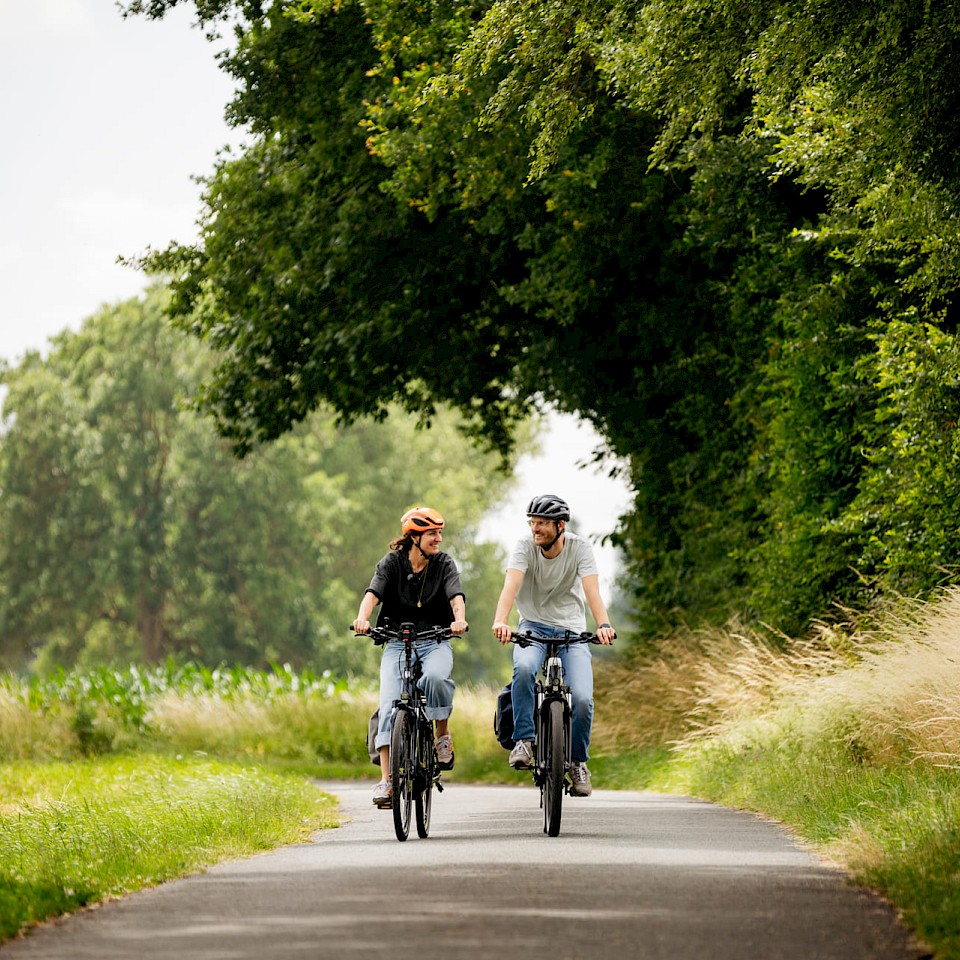
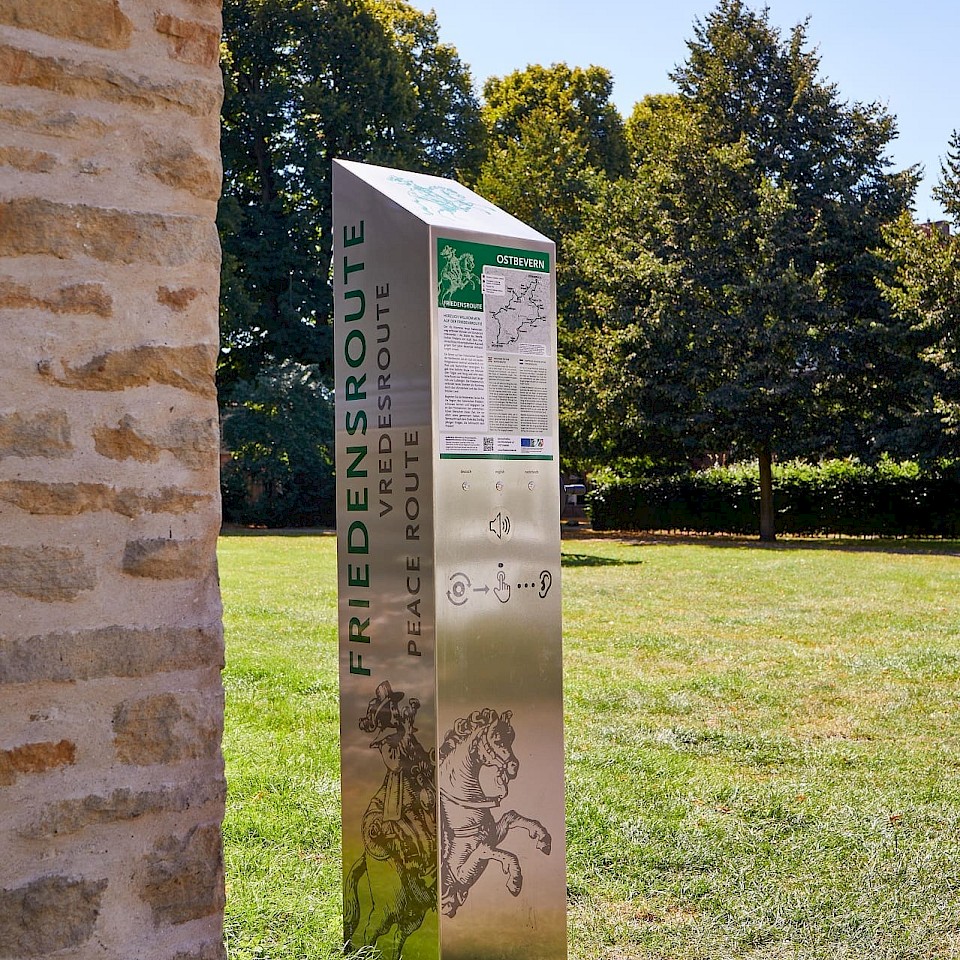
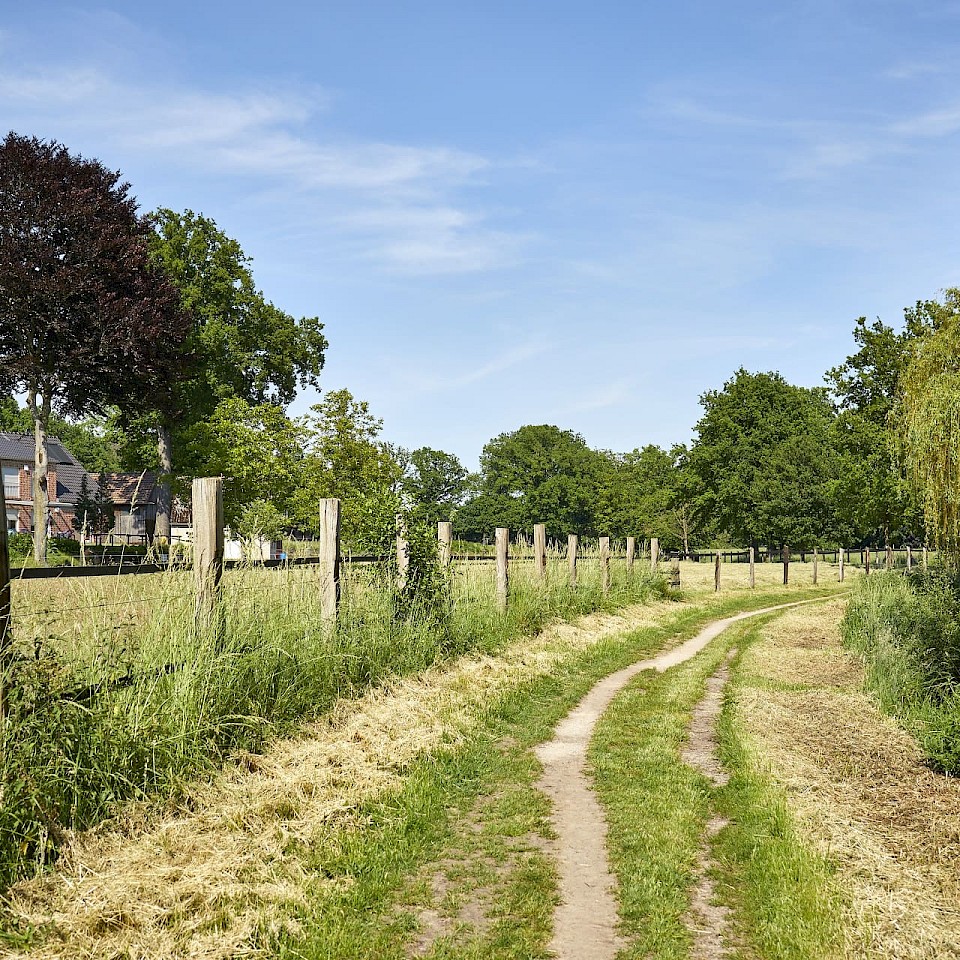
These and other sites of the Peace of Westphalia are brought together on the Peace Route. This runs along the routes on which the peace riders travelled. Their task was to exchange news and information between the two negotiating centres. The 163-kilometre route is a varied long-distance cycle route along historic bridle paths. You can also cycle it as part of a package holiday.

If you want to follow in the footsteps of the peace riders, you can also get on a horse yourself and ride parts of the route. You can find tips for day rides on the page below.

Gastro Insider Tip

Café 1648 offers a 360° panoramic view of the city of Münster
© Thomas Rost / Alexianer Werkstätten Münster
Café 1648 in Münster

In commemoration of the Peace of Westphalia, the café in Stadthaus I bears the year as its name. It is only a few minutes' walk from the Peace Hall. At "1648" you can have lunch or just a coffee break with delicious cake. Enjoy the magnificent 360° panoramic view of the city. In addition to regional dishes, the 1648 also focuses on bringing people together. The café is an inclusive business where people with and without disabilities work together.

Map | Münster

Travel offers

Close Contact & Info
Close